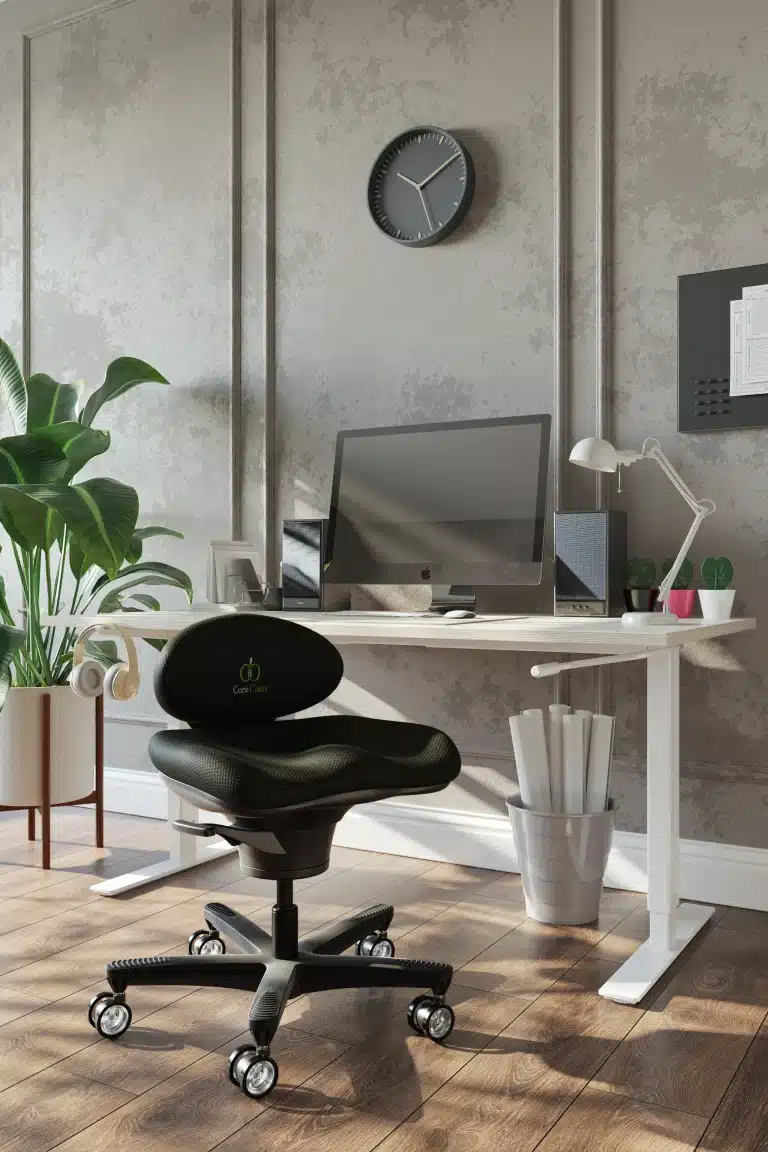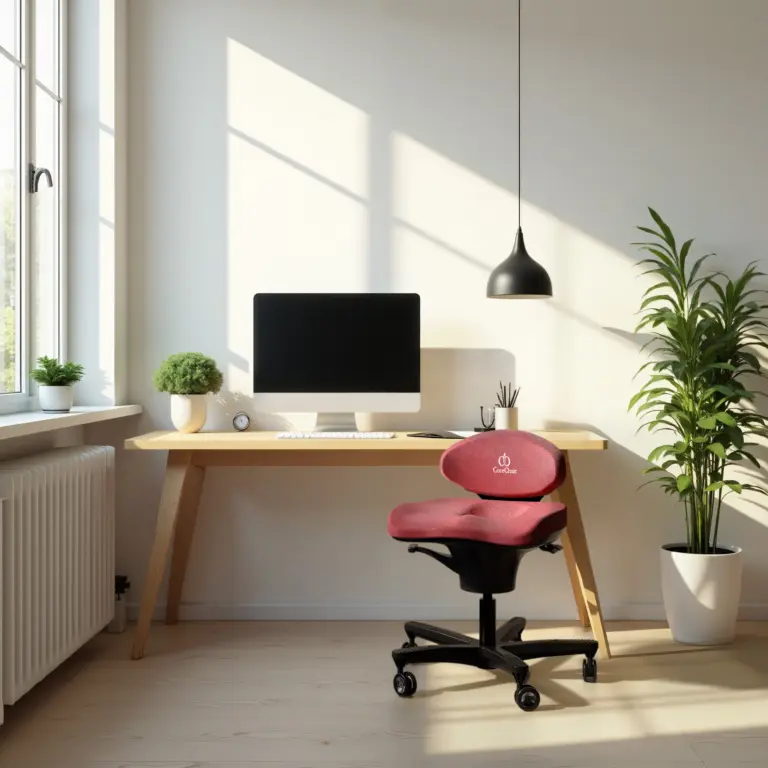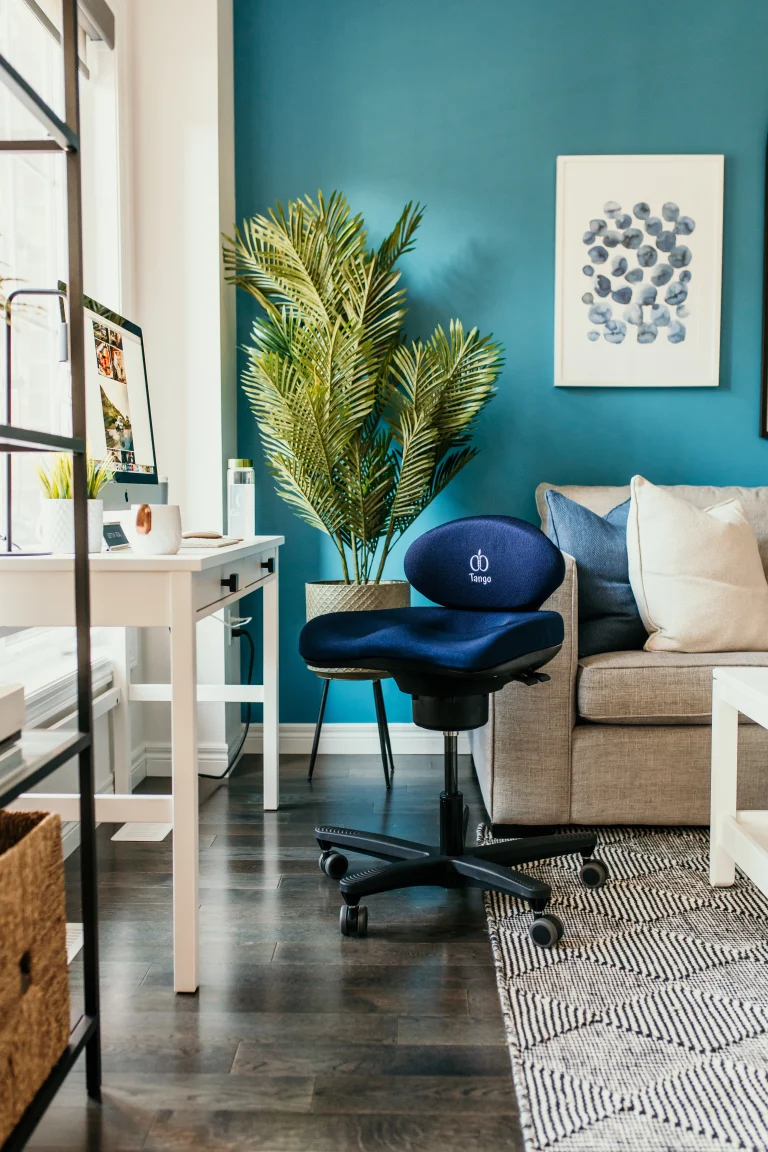
Primarily due to poor posture, office workers often report experinces of discomfort in the back. Prolonged sitting in traditional chairs results in slouching and misalignment of the spine. This effect can lead to discomfort and chronic back problems over time. The remedy? A chair that encourages good posture by providing movement and comfort. The cutting-edge seating option; CoreChair, aims to do just that, by addressing improper posture and back pain alleviation effectively.
The Link Between Improper Posture and Back Pain
It has been well researched that – improper posture contributes to back pain. Spending extended periods sitting static at a desk or working on a computer has shown to almost always cause complaints about these pains and discomforts. Let’s explore the close correlation between improper posture and back pain.
Heightened Pressure on the Spine
Improper posture is often displayed through slouching or leaning forward, which causes your spine to take on a shape that is outside of its natural alignment. This places additional pressure on the vertebrae and their respective spinal discs. This strain leads to compression and wear, which over time, can cause problems with herniated discs, degenerative disc disease, and nerve irritation. All these events are the common sources to back pain.
Core Muscle Weakening
To support the spine in good posture, strong core muscles are needed. The slumping position or pose of sitting with a rounded back gradually weakens these muscles. Lessening your core strength makes maintaining proper posture more difficult. This results in increased strain on the lower back, creating a cycle of added discomfort, and further deepening of improper posture.

Muscular Discrepancy and Strain
Maintaining poor posture when sitting often results in a discrepancy in the muscles. Muscles in the lower back become overly active and tense. At the same time, the abdominal muscles grow weak and underutilized. These imbalances lead to tension in the back and neck area. As a result, this tension can cause chronic pain.
Decrease in Blood Flow and Circulation
Poor posture often constricts blood vessels and impedes circulation in the lower back and legs. This decreased blood flow can lead to muscle fatigue, stiffness, and discomfort. In the case of insufficient blood flow, muscles and tissues are deprived of necessary oxygen and nutrients required for the maintenance of one’s health. All this causes painful feelings and inflammatory processes.
Influence on the Joints and Ligaments
Unnecessary pressure on the joints in the lower back and other parts of the body is contributed to by improper posture. Over time, this can result in inflammatory events, causing further stiffness and painful sensations in the joints. Additionally, this pressure can cause overstretching or straining of ligaments of the spine. This effect contributes further to ongoing discomfort.
Extended Sitting and Inactivity
In an attempt to combat improper posture and back pain, individuals that spend long hours at the desk tend to choose seating solutions that position their bodies into a fixed position that is advertised to them as “the ideal posture”. Although the initial posture that the users take upon sitting in these traditional chairs seems correct, the immobility that they cause often leads to increased stiffness of muscles and further discomfort in inactive joints. As our bodies are designed to move, maintaining proper posture actually comes from the promotion of slight adjustments and movements, while maintaining the natural curvature of the spine. This mobile method of support encourages spinal health and prevents joint and muscle stiffness.
The connection between improper posture and back pain has become evident. Pressure, imbalances of muscles, and stress on the joints and ligaments are caused by a misaligned and inactive spine. Over time, these issues lead to chronic discomfort and painful feelings. Therefore, maintaining movement and proper posture helps to prevent back problems.
How the CoreChair Helps Combat Back Pain
The CoreChair aims to tackle the underlying causes of improper posture and back pain by promoting correct sitting pose and dynamic motion.
Active Sitting for Core Activation
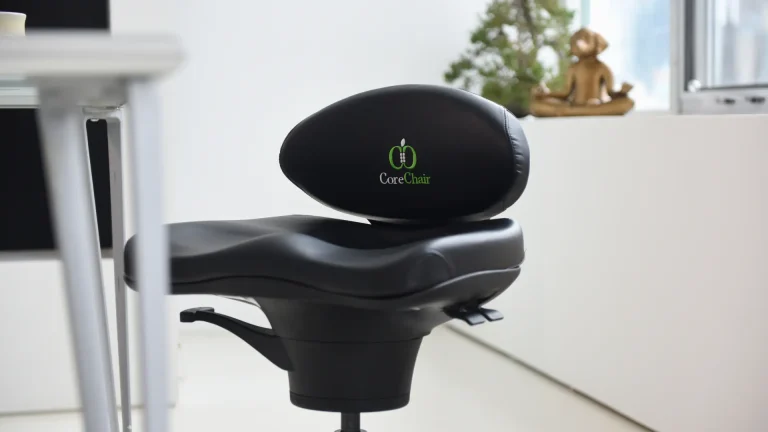
In contrast to traditional chairs that encourage static sitting, the CoreChair is designed for movement. Its flexible seat permits gentle motion in every direction, engaging the core muscles in a controlled manner. Keeping these muscles active supports spinal alignment and alleviates lower back strain. This effect prevents muscle imbalances and pain.
Support for Spinal Alignment from the Pelvis
Spinal alignment begins with the foundation – our pelvis. The CoreChair holds the pelvis in it’s proper, natural position and helps to maintain the spine’s natural curves by providing it with a solid foundation to which it can balance on. The natural balance that results from the CoreChair design prevents slouching. . Thus, pressure on spinal discs is reduced and lower back pain is lessened.

Encouragement of Proper Posture All Day Long
The ergonomic design of the CoreChair effortlessly assists users in maintaining proper posture. Its contoured seat provides support to both the pelvis and lumbar area, and its flexible backrest promotes an upright sitting position. This supported alignment helps keep the spine properly positioned throughout the day an minimizes the probability of developing back pain.
Alleviation of Pressure Areas
Traditional chairs often cause pressure on specific areas of the back, especially the lower spine, resulting in discomfort. In contrast, the CoreChair evenly distributes weight to alleviate pressure from these sensitive regions and enhance blood flow. This design offers increased comfort and diminishes the risk of stiffness or pain after extended sitting periods.
Promotion of Activity
Muscle stiffness and joint soreness appear when remaining in the same position for extended periods. CoreChair’s dynamic sitting feature promotes frequent movement, allowing users to shift their weight and mobilize their hips. These subtle motions advance circulation and keep muscles active. These movements also help prevent stiffness and discomfort.
Benefits of Using the CoreChair for Correction of Improper Posture and Back Pain Relief
By promoting good posture and encouraging movement, the CoreChair provides multiple advantages for people with back pain.
Improving spinal alignment and reducing strain on the lower back with this chair helps users find significant relief from the back pain. Intentionally engaging core muscles throughout the day, in a controlled method, strengthens them and offers advanced support for the spine over time. The CoreChair’s ergonomic design and dynamic sitting feature help to achieve comfort even during extended workdays. With decreased pain and discomfort, users can maintain attention and productivity for longer durations.
Long-Term Health with CoreChair to Avoid Improper Posture and Back Pain
Purchasing a CoreChair can lead to substantial long-term health advantages, particularly in avoiding improper posture and alleviating back pain.
Ongoing Back Wellness
The CoreChair promotes a neutral spinal alignment ideal for maintaining long-term spinal health. Supporting a neutral spine position with this chair aids in preventing the onset of spinal issues. This preventive strategy can lower the threat of chronic back pain over time.
Improved Core Stability
Consistent use of the CoreChair activates the core muscles, which are essential for spinal support. A robust core stabilizes both the pelvis and lower back, thereby minimizing stress on these regions. Improved core strength can promote better posture and decrease occurrences of back pain over time.
Decreased Risk of Disorders
Improper posture and back pain that results from extended periods of static sitting foster the development of muscular disorders. Encouraging movement with the CoreChair supports dynamic sitting and aids in achieving muscle balance and flexibility. Thereby the use of this chair minimizes the long-term risk of these disorders.
Prevention of Weight Increase
Sedentary behavior has continuously been proven in research to lead to increase in body weight. It has also been consistent in its correlation to many health problems. The CoreChair’s ability to promote movement provides opportunity to be active when seated. By encouraging consistent motion and core engagement, this chair can aid in maintaining a healthy weight and lowering the likelihood of related health issues.
Advancement of Comfort and Productivity
CoreChair’s comfort enables users to concentrate on their work. Advanced comfort can boost productivity and job satisfaction. These effects foster better mental health and general well-being over time.
Health Investment for the Long Term
The CoreChair presents a worthwhile long-term investment in health and wellness. Emphasizing correct posture and movement with the use of this chair helps users avoid the physical problems of improper posture and back pain. This proactive focus on well-being can advance your quality of life throughout the aging process.
Preventing improper posture and back pain with the CoreChair ensures long-term health. The ergonomic design of this chair promotes correct spinal alignment, engages the core, and encourages movement. All of which are crucial elements to maintaining good physical and mental health. Choosing to invest in a CoreChair helps you enhance your sitting experience and prioritize your general well-being.
Say Goodbye to Improper Posture and Back Pain with the CoreChair
The CoreChair specifically targets the causes of improper posture and back pain. This chair supports spinal alignment, encourages activation of core muscles, and facilitates movement throughout your day. Integrating the CoreChair into your workspace can help decrease painful sensations in the back, enhance posture, and foster a more comfortable and efficient office setting.