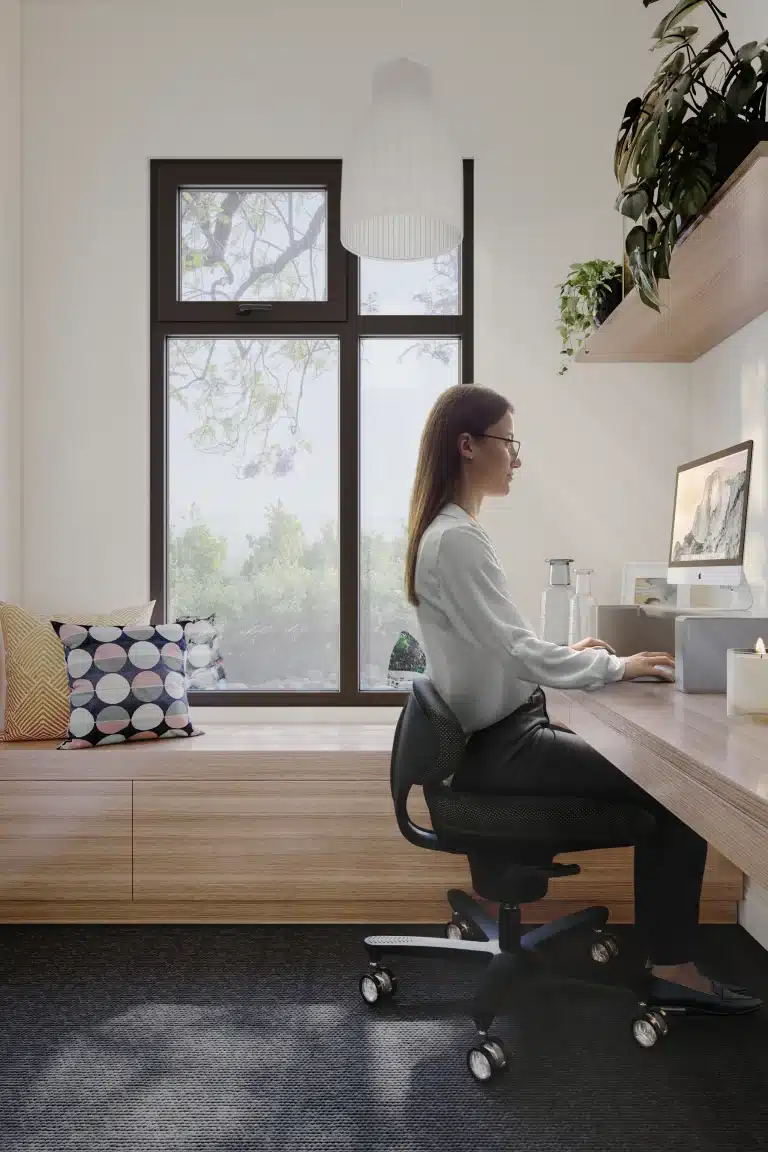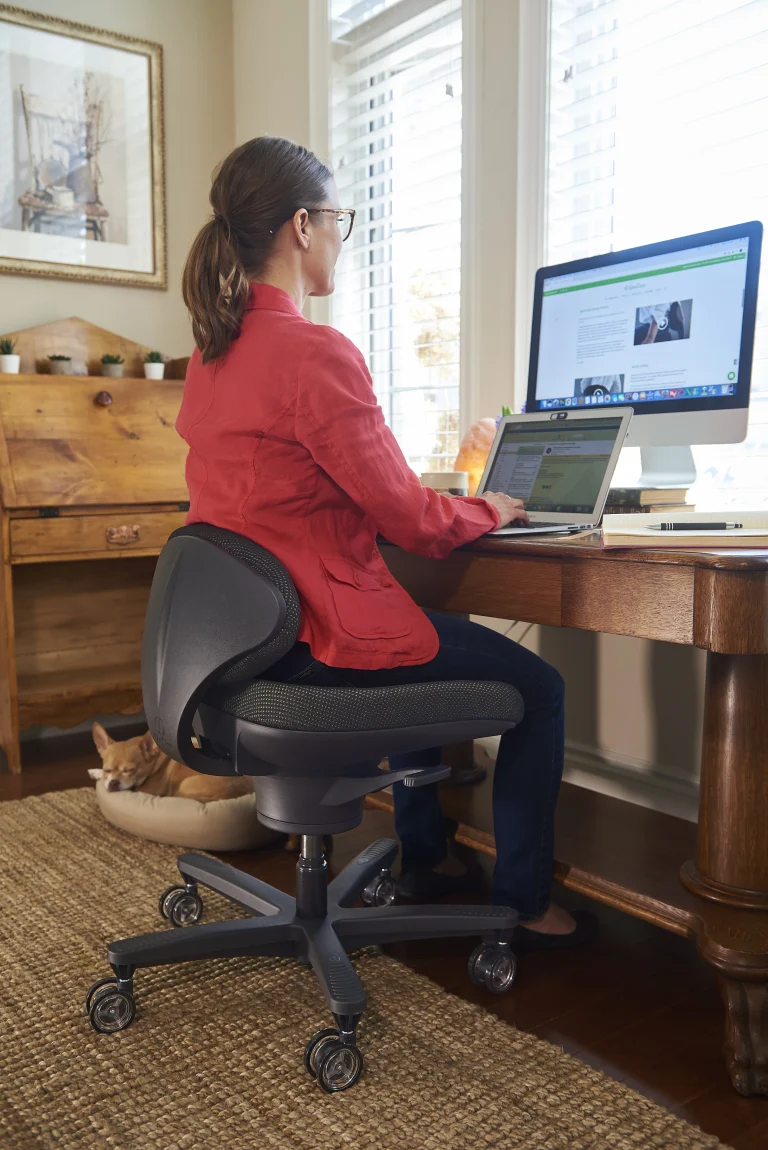
In today’s work environment, where many of us spend hours sitting at a desk, the importance of an ergonomically sound chair cannot be overstated. Active sitting chairs, such as the CoreChair, have emerged as a game-changer in promoting better posture, reducing back pain, and enhancing overall well-being. However, getting your Human Resources (HR) Department to invest in such a chair can be a challenge.
Understanding the Benefits of Active Sitting Chairs
Before approaching HR, it’s crucial to understand and articulate the benefits of active sitting chairs:
Enhanced Ergonomics: These chairs are designed to promote movement and support the natural curvature of the spine.
Reduction in Health Risks: Prolonged sitting in traditional chairs can lead to back pain and other musculoskeletal issues. Active sitting chairs help alleviate these risks.
Increased Productivity: Better comfort leads to enhanced concentration and productivity.
Long-term Health Benefits: Regular use can lead to improved posture, core strength, and overall health.
CoreChair– your simple solution to back pain.
Similar to an orthotic device that is designed to embrace and support various boney structures and joints within our bodies, CoreChair optimizes pelvic support with a complimentary sculpted seat and pelvic support cushion. In harmony, these cushions embrace your pelvis to encourage an upright neutral pelvic orientation. Like building a house, we need to start with a good foundation.
The outcome is a stable base that allows balance in our spine as well as the ability of our spine to work as designed with ease of natural movement through flexion, extension and rotation.
A healthy spine also requires a diversity of movement which involves stimulating blood flow, mobilizing the joints, strengthening core muscles and hydrating the vertebral discs. Often when we experience back pain our tendency is to rest up and stop strenuous activity. While this may be recommended in the short term, long term it may not be helpful. Movement and specific back exercises are needed to help alleviate and remedy back pain. Moving on a CoreChair provides an excellent opportunity to gradually work the back and core in a controlled manner to help avoid stiffness, strengthen and alleviate pain.
A study completed by Memorial University concluded that participants sitting in the CoreChair adopted a more upright posture, experienced less back pain and stiffness and had enhanced blood flow when compared to sitting in a traditional office chair.

Reduced Back Pain
Pelvic support provides the foundation for a balanced healthy spine to prevent slumping, optimize posture, and reduce back pain and discomfort.

Core Strength
Movement is the key to maintaining core strength and more movement will definitely build strength. One absolute is that if you don’t use it you will lose it.
Extraordinary comfort meets incredible pelvic support.
Proper distribution of our weight when sitting is a critical factor in chair selection as it translates into seating comfort. Poorly designed chairs can result in uncomfortable pressure points and restriction of circulation. The seat of the CoreChair is aggressively sculpted to embrace your sit bones and provide even weight distribution allowing your circulation to flow freely, so you can focus on your work, not your discomfort.
Graduate students from Cornell University (with guidance from Dr. Alan Hedge), investigated sitting pressure on CoreChair compared to a high-end ergonomic office chair and discovered that CoreChair has more evenly dispersed weight thereby significantly lowering pressure points. This means significantly better comfort for you.

Sculpted Seat
Sculpted seat harmonizes with pelvic stabilizer to relieve pressure points, prevents sliding, and provide added comfort.

Pelvic Support
Our seat cushion works in conjunction with the pelvic support to stabilize the pelvis, optimize sitting posture, and reduce back pain.
Boosting brain power through movement.
Being physically active not only helps us avoid negative outcomes such as chronic disease and obesity, but also helps to boost our brainpower! Cognition, how we understand and interact in the world, related to the brain-based skills needed to learn, remember and solve problems. Physical activity, whether exercise in the gym or incidental movement on your CoreChair, aids our cognitive power by stimulating blood flow to the brain, delivering oxygen and glucose to make us better able to work on tasks both simplistic and complex. Introduce movement into your workday and experience the benefits of improved focus, increased productivity, and more brainpower!
Dr. Leah Bent conducted a four-hour investigation at the University of Guelph and discovered there was a significant reduction in calf circumference indicative of improved lower extremity blood flow and a significant reduction of errors commissioned utilizing SART (Sustained Attention to Response Task) suggesting enhanced cognitive function with blood flow.

Blood Flow
Movement stimulates your lymphatic system and blood flow to keep your vital systems working well.

Brain Power
Increased blood flow to the brain keeps you alert and creative, making you happier and more productive in the workplace.
IMPROVING YOUR HEALTH ONE MOVE AT A TIME.
There’s a distinct difference between exercise and physical activity. Exercise is a subcategory of physical activity and is planned, structured, repetitive and purposeful with a fitness objective. Physical activity includes exercise in addition to other activities that involve movement including pacing, household chores and other recreational activities.
CoreChair is proud to be NEAT™ Certified (NEAT™ stands for the science of Non Exercise Activity Thermogenesis, developed by Mayo Clinic). We now know that activity, all activity, is good for our health.

Increased Caloric Burn
Movement burns calories and helps manage our weight and mood, which bolsters our energy! CoreChair users can expect an increased metabolic demand of 20%!

Increased Circulation
Swollen ankles? Movement stimulates your circulation. Not just to make your heart pump but also assists your vascular return.
Research and Preparation
Gather Information: Research different models and their specific benefits. Understand the cost implications and potential return on investment (ROI) in terms of health benefits and productivity.
Your Needs: If you’ve experienced discomfort or health issues from your current chair, document these. A note from a healthcare provider can be a powerful tool in supporting your request.
Our Partners

Designing Your Active Sitting Chair Request
Be Professional and Concise: Write a professional email or letter to your HR representative. Clearly state your request, the reasons for it, and the benefits you believe an active sitting chair will bring.
Use Evidence to Support Your Case: Include research findings, articles, or case studies that highlight the benefits of active sitting chairs.
Personalize Your Request: Explain your personal situation, how the current chair impacts your health and work, and how an active sitting chair could make a difference.
Addressing Cost Concerns
Highlight the ROI: Emphasize how investing in an active sitting chair can save money in the long run by reducing health-related costs and improving productivity.
Suggest a Trial Period: Propose a trial period to test the chair and demonstrate its benefits before a wider implementation. (CoreChair offers a great money-back guarantee trial period on their products.)
Offer to Share the Cost of the Active Sitting Chair: If possible, offer to cover part of the cost. This shows your commitment and may make the proposal more appealing to HR.
Dealing with Potential Pushback
Be Prepared for Questions: HR may have concerns about cost, fairness, or setting a precedent. Be ready to address these with well-researched responses.
Offer Solutions, Not Problems: Present your request as a solution to a problem (improved health and productivity) rather than a personal demand.
Be Patient and Persistent: Change often takes time. If your initial request is declined, ask for feedback, and be prepared to follow up with additional information.
Leveraging Support
Get Support from Colleagues: If others in your office are also interested in active sitting chairs, consider making a joint request. There is strength in numbers.
Seek Endorsements from Health Professionals: A recommendation from a chiropractor, physiotherapist, or doctor can add weight to your request.
Follow-up and Negotiation
Follow Up on Your Request: Don’t just send an email and wait. Schedule a meeting to discuss your request in person.
Be Open to Compromise: If HR is hesitant, be open to trying less expensive alternatives or other ergonomic solutions they might suggest. (Second Chance Products are available from CoreChair at a fraction of the cost, on a first-come-first-serve basis. Email CoreChair directly to inquire about availability as supply is limited.)
Implementing the Active Sitting Chair
Share Your Experience: If your request is successful, share your experience with colleagues and HR. Positive feedback can encourage the adoption of similar chairs in the workplace.
Be a Role Model: Demonstrate the correct usage of the chair and its benefits to your health and productivity. This can encourage wider acceptance and adoption.
Requesting an active sitting chair from your HR department requires a blend of research, preparation, and effective communication. By clearly articulating the benefits, addressing potential concerns, and demonstrating a willingness to collaborate and compromise, you can significantly increase your chances of success. Remember, this is not just about getting a new chair—it’s about investing in your health and well-being at work.