I’ve noticed something interesting over the years – people don’t talk much about how their posture changes as they age. Maybe it’s because we think it’s just part of getting older, something we can’t control. But here’s the thing: the connection between posture and aging is huge, and it affects way more than just how you look in photos.
Think about it. When your posture and old age start working against each other, it impacts everything – your balance, your energy, even your confidence. I’ve seen too many people accept hunched shoulders and back pain as inevitable. But what if I told you there’s actually something you can do about it?
Your spine isn’t the same at 70 as it was at 30. Those little cushions between your vertebrae (the discs) start drying out, kind of like a sponge that’s been left out too long. This makes your back stiffer and more likely to cause problems. It’s why posture and old age become such a challenging combination – your body needs more support, but most furniture wasn’t designed with aging bodies in mind.
Here’s what researchers have discovered: aging and time to instability in posture are connected in ways we’re just starting to understand. As you get older, your body doesn’t pick up on position changes as quickly. You might not realize you’re slouching until your back starts aching. This affects not just how you stand, but how you sit for hours at a time.
Our Partners

What’s Really Happening to Your Body
Let me break down the story of posture and aging in simple terms. Your body is like a well-orchestrated team, and as you age, some team members start getting tired. Your core muscles – the ones that keep your spine stable – begin to weaken. Meanwhile, your bones become less dense, making your spine more vulnerable.
I’ve read fascinating research from universities (you can check it out at corechair.com/research/) that shows aging and time to instability in posture can be dramatically influenced by something as simple as your chair choice. Think about it – if you’re sitting in a chair that doesn’t support you properly, your already-tired muscles have to work overtime. No wonder so many older adults develop that forward-head, rounded-shoulder posture.
The relationship between posture and ergonomics aging becomes crystal clear when you realize that most chairs are designed for the “average” person. But seniors face unique challenges – hips that aren’t as flexible, core muscles that need more support, and spinal curves that have changed over decades.
A Different Approach: Active Sitting for Posture and Old Age
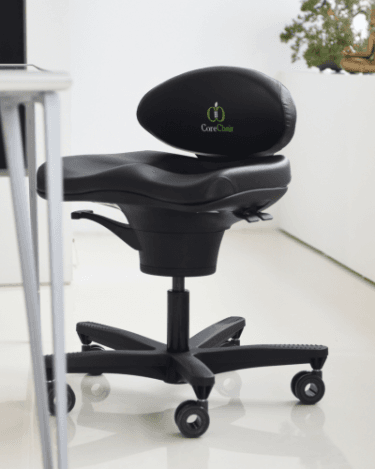
This is where CoreChair’s active sitting concept gets interesting. Instead of locking you into one rigid position like traditional chairs, it works with your body’s natural tendency to move. It’s like the difference between standing perfectly still (which gets tiring fast) and gently swaying – your body actually prefers the movement.
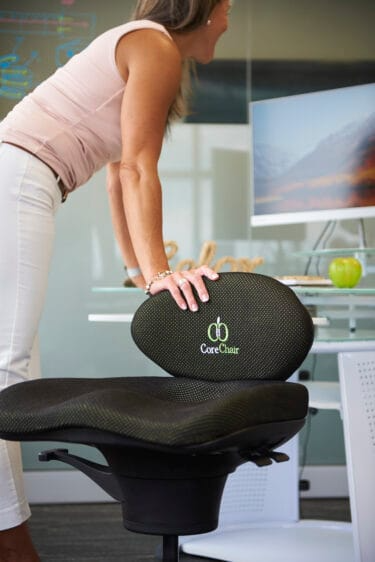
The pelvic support in CoreChair products is designed specifically for the challenges of posture and old age. By supporting your pelvis properly, it helps your spine maintain its natural curves without forcing your muscles to do all the work. I think of it as giving your body the foundation it needs to sit comfortably for longer periods.
Studies from Cornell University and the University of Waterloo (detailed at corechair.com/research/) have shown that active sitting significantly improves posture stability compared to traditional ergonomic chairs. People using CoreChair’s technology report fewer pressure points, better core muscle engagement, and improved spinal alignment. That’s not marketing speak – that’s real research.
How This Actually Helps Your Daily Life
CoreChair’s approach to posture and ergonomics aging makes sense when you think about how your body has changed. The sculpted seat cradles your pelvis, giving you the support you need to maintain proper spinal curves. This is especially helpful if you’ve developed compensation patterns over years of inadequate seating.
The active sitting mechanism promotes what researchers call “dynamic stability.” Your body is designed to move, not stay frozen in place. By allowing controlled movement while providing essential support, CoreChair helps combat the negative effects of aging and time to instability in posture.
Memorial University research (available at corechair.com/research/) found that people using CoreChair sat up straighter and experienced less back stiffness compared to traditional seating. For aging adults, this is significant because maintaining upright posture becomes increasingly difficult with age-related changes in spine structure and muscle strength.
Movement as Your Secret Weapon
The Mayo Clinic has certified CoreChair products through their NEAT program, which recognizes the importance of small movements for healthy aging. As you get older, your metabolism naturally slows, and you might have fewer opportunities for formal exercise. Active sitting gives you a way to incorporate beneficial movement into your day without extra effort.
The connection between posture and aging extends beyond just your muscles and bones. University of Guelph research (found at corechair.com/research/) shows that active sitting improves blood flow in your legs and enhances cognitive function. These benefits are particularly valuable if you spend significant portions of your day seated.
Active sitting with CoreChair addresses the cascade of problems that come with prolonged static sitting as you age. By encouraging continuous micro-movements, the chair helps maintain muscle tone, improve circulation, and keep the neural pathways responsible for balance and coordination functioning properly. This comprehensive approach to posture and old age management sets CoreChair apart from traditional seating.
Real Benefits You’ll Actually Notice
For aging adults, better posture means more than just comfort. Improved posture and ergonomics aging support translates to increased confidence in daily activities, reduced fall risk, and maintained independence. CoreChair’s design enables you to engage in activities like cooking, reading, and computer work with proper spinal alignment and less fatigue.
The chair’s ability to engage your core muscles while providing necessary support is especially valuable if you have weakened abdominal and back muscles. This dual action of support and strengthening helps break the cycle of postural decline that often accelerates with age.
Arizona State University research, conducted with the Mayo Clinic and detailed at corechair.com/research/, found that the incidental movement from CoreChair use resulted in a 20% increase in calories burned. This metabolic benefit is especially important for aging adults who might have limited opportunities for traditional exercise.
Why This Investment Makes Sense
Choosing the right seating becomes more critical as you age. The relationship between posture and aging means that the decisions you make today about your sitting environment will significantly impact your future mobility and quality of life. CoreChair’s active sitting technology offers a proactive approach to maintaining postural health throughout the aging process.
The comprehensive research backing CoreChair’s effectiveness (available at corechair.com/research/) provides confidence that this investment in your health will yield long-term benefits. From reduced back pain and improved posture to enhanced circulation and cognitive function, the advantages of active sitting compound over time.
Take Control of Your Posture Today
Don’t accept the challenges of posture and aging as inevitable. CoreChair’s innovative active sitting design offers a scientifically-backed solution to the postural problems that commonly develop with age. By addressing the root causes of postural decline and promoting healthy movement patterns, CoreChair helps you maintain your vitality and independence.
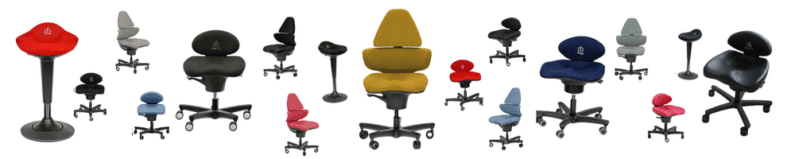
Visit corechair.com/shop/ today to explore the complete range of CoreChair products designed specifically for the unique needs of aging adults. Your future self will thank you for taking proactive steps to maintain proper posture and support healthy aging. Experience how active sitting can transform your daily comfort, energy levels, and overall well-being.