If you’re experiencing persistent shoulder discomfort during your workday, you’re not alone. Millions of professionals struggle with the connection between bad posture and shoulder pain, often unaware that their seating solution plays a crucial role in their daily discomfort. The relationship between posture and shoulder pain is more complex than most people realize, and traditional office chairs often contribute to the problem rather than solving it.
Understanding the Root Cause of Workplace Shoulder Pain
The modern workplace has created an epidemic of postural dysfunction. When we examine the relationship between bad posture and shoulder pain, we discover that conventional seating forces our bodies into unnatural positions that create a cascade of muscular imbalances. Traditional chairs with rigid backs and static support systems encourage passive sitting, where your core muscles disengage and your shoulders compensate for lack of proper spinal alignment.
Research consistently shows that sitting posture and shoulder pain are intimately connected through what ergonomics experts call the “kinetic chain.” When your pelvis tilts backward in a conventional chair, your lumbar spine flattens, forcing your thoracic spine to round forward. This forward head posture places enormous strain on your shoulder muscles, particularly the upper trapezius and levator scapulae, leading to chronic tension and pain.
The problem intensifies when we consider that most office workers spend over 8 hours daily in compromised positions. Your shoulders weren’t designed to maintain static positions for extended periods, yet traditional seating solutions force exactly this scenario. The result is a perfect storm of muscular dysfunction that manifests as shoulder pain, neck tension, and reduced mobility.
Why Traditional Ergonomic Solutions Fall Short
Conventional ergonomic chairs attempt to address posture and shoulder pain through external support systems – lumbar cushions, adjustable armrests, and headrests. While these features provide temporary relief, they fail to address the fundamental issue: your body’s need for movement and active engagement. These passive support systems actually weaken your postural muscles over time, creating dependency rather than strength.
The relationship between sitting posture and shoulder pain becomes more pronounced when we rely on external supports that don’t encourage natural movement. Your body’s proprioceptive system – the network of sensors that maintain balance and position awareness – becomes dulled when chairs provide too much static support. This sensory decline contributes to poor postural awareness and increased shoulder dysfunction.
Moreover, traditional chairs often create pressure points that restrict blood flow and nerve function. When circulation is compromised, your shoulder muscles don’t receive adequate oxygen and nutrients, leading to increased fatigue and pain. The static nature of conventional seating also prevents the natural micro-movements that keep your joints lubricated and muscles engaged.
CoreChair’s Revolutionary Approach to Active Sitting
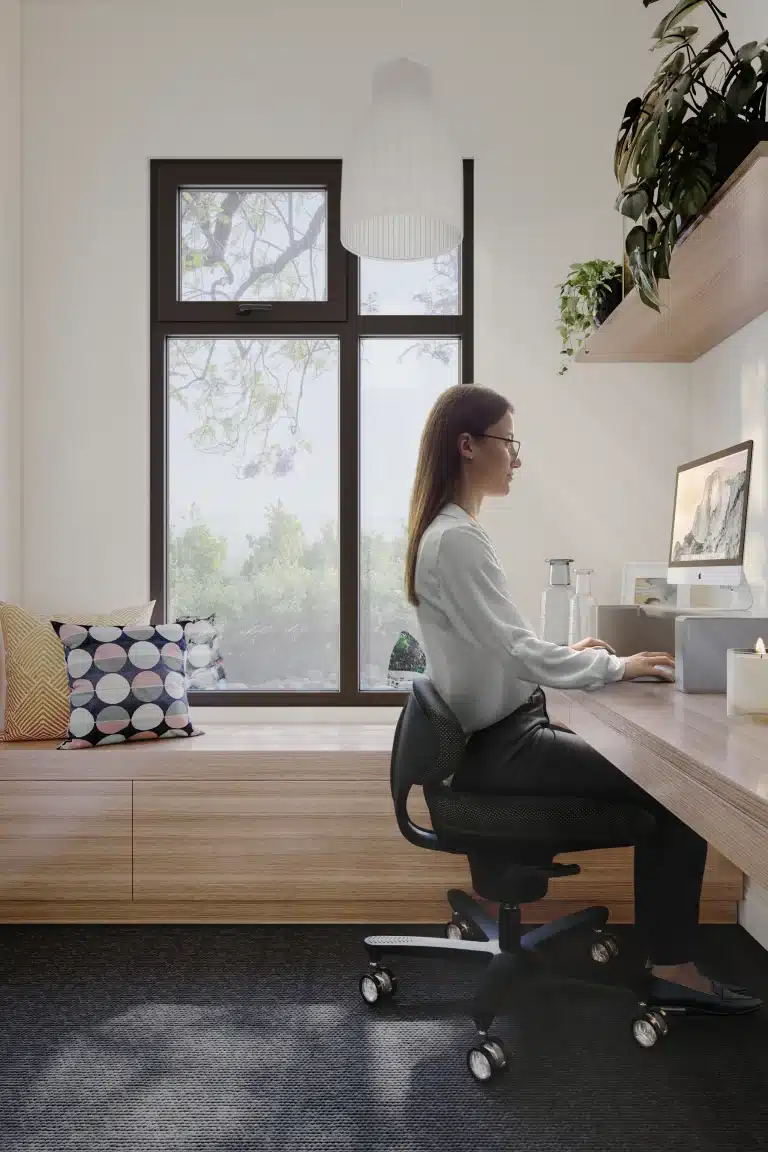
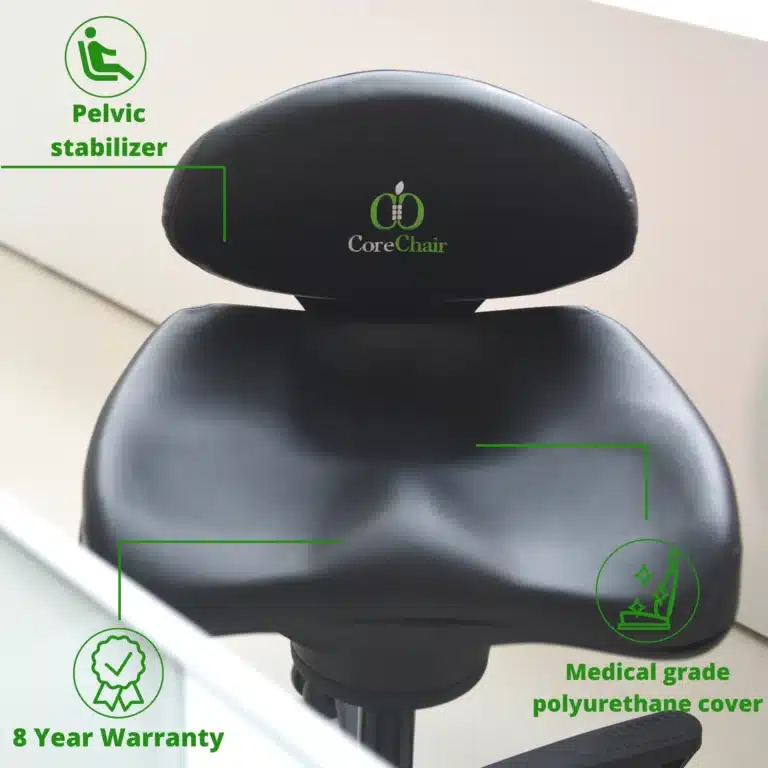
CoreChair represents a paradigm shift in addressing the connection between shoulder pain and posture. Unlike traditional chairs that provide passive support, CoreChair’s patented active sitting technology engages your core muscles and promotes natural spinal alignment. The chair’s unique pelvic support system creates a stable foundation that allows your shoulders to find their optimal position naturally.
The genius of CoreChair lies in its understanding that proper shoulder alignment begins with pelvic stability. When your pelvis is properly supported and positioned, your spine maintains its natural curves, reducing the compensatory stress on your shoulder muscles. This foundational approach addresses sitting posture and shoulder pain at its source rather than merely treating symptoms.
CoreChair’s active sitting mechanism encourages subtle, continuous movement that keeps your postural muscles engaged throughout the day. This gentle activation prevents the muscular deconditioning that occurs with static seating, maintaining the strength and endurance necessary for proper shoulder positioning. The result is a dramatic reduction in the muscular fatigue that contributes to shoulder pain.
The Science Behind CoreChair’s Shoulder Pain Relief
Extensive research demonstrates that active sitting significantly reduces the muscular tension associated with poor posture. CoreChair’s design promotes what researchers call “postural variability” – the natural tendency to make small positional adjustments that prevent muscular fatigue and maintain optimal alignment.
When examining how CoreChair addresses postural dysfunction and shoulder discomfort, we find that the chair’s pelvic support system creates what biomechanics experts term “proximal stability for distal mobility.” By providing a stable base through proper pelvic positioning, your shoulder girdle can move freely and efficiently, reducing the compensatory patterns that lead to pain.
The chair’s unique tilting mechanism also promotes better breathing patterns, which directly impacts shoulder positioning. When your ribcage can expand properly, your shoulders naturally settle into their optimal position, reducing the forward head posture that contributes to upper trapezius tension.
Transforming Your Workday with CoreChair
The transition to CoreChair represents more than just changing your seating – it’s a commitment to transforming how your body functions throughout the workday. Users consistently report that their shoulder comfort and postural alignment improve dramatically within weeks of making the switch to active sitting.
CoreChair’s design philosophy recognizes that your body is designed for movement, not static positioning. The chair’s gentle, controlled movement keeps your core muscles engaged while allowing your shoulders to maintain their natural mobility. This dynamic approach prevents the muscular stagnation that occurs with traditional seating.
The chair’s pelvic support system is particularly effective for individuals who have developed chronic patterns of poor posture. By providing the right foundation, CoreChair allows your body to relearn proper alignment patterns, breaking the cycle of compensation that leads to shoulder dysfunction.
Many users discover that their improved postural awareness extends beyond work hours. The better alignment habits developed while using CoreChair carry over into other activities, creating lasting improvements in overall musculoskeletal health and shoulder comfort.
Our Partners

Maximizing CoreChair’s Benefits for Shoulder Health
To optimize CoreChair’s impact on your shoulder health, it’s important to understand how to work with the chair’s active sitting technology. Begin by adjusting the chair to your proper height, ensuring your feet are flat on the floor and your hips are slightly higher than your knees. This positioning creates the optimal pelvic angle for spinal alignment.
Allow yourself time to adapt to the chair’s movement. Your core muscles may initially fatigue as they begin to engage properly, but this strengthening process is essential for long-term improvement in shoulder comfort and postural stability. Start with shorter periods and gradually increase your time in the chair as your strength improves.
Pay attention to how your shoulders feel throughout the day. Many users notice that their shoulders naturally relax and settle into better positions as their core strength improves. This is a sign that the chair is working to address the fundamental causes of your postural dysfunction.
Combine your CoreChair experience with regular movement breaks and targeted exercises. While the chair provides excellent foundational support, incorporating shoulder mobility exercises and postural strengthening activities will accelerate your progress and maximize the benefits of active sitting.
The Long-Term Impact on Shoulder Health
Investing in CoreChair represents a commitment to long-term shoulder health and postural wellness. Unlike temporary solutions that provide short-term relief, CoreChair addresses the underlying causes of workplace-related shoulder pain through active engagement and proper biomechanical support.
Users consistently report sustained improvements in their shoulder comfort and postural awareness. The chair’s ability to strengthen postural muscles while providing optimal alignment creates lasting changes that extend far beyond the immediate work environment.
The economic benefits of addressing shoulder discomfort through proper seating are substantial. Reduced healthcare costs, improved productivity, and enhanced quality of life make CoreChair an investment in your long-term wellbeing and professional success.
Take Action for Better Shoulder Health Today
Don’t let another day pass struggling with shoulder discomfort and postural dysfunction. CoreChair’s innovative active sitting technology offers a proven solution that addresses the root causes of workplace-related shoulder issues. Experience the difference that proper pelvic support and core engagement can make in your daily comfort and long-term health.
Transform your workday and reclaim your shoulder health with CoreChair’s revolutionary approach to active sitting. Your body deserves the support it needs to function optimally, and CoreChair provides the foundation for lasting postural improvement and pain relief.
Visit CoreChair.com today to learn more about how active sitting can transform your relationship with shoulder pain and posture. Take the first step toward a more comfortable, productive, and healthy work experience.