The sacrum is the large triangular bone at the base of your spine, wedged between the two halves of the pelvis. In structural terms, it is the foundation of the entire spinal column – and also one of the most consistently neglected pressure points in conventional office chair design.
Sacrum pain while sitting is more common than most workplace wellness conversations acknowledge. Studies on seated pressure distribution show that a significant proportion of compressive load during sitting lands on the sacral and ischial regions – zones where conventional chair seats concentrate rather than distribute weight. When you sustain that pressure for hours each day, the result is predictable: localised ischemia (restricted blood flow to tissue), irritation, and the familiar aching or burning sensation that many desk workers vaguely call “lower back pain” without recognising where it’s actually coming from.
Why Sacrum Pain Develops During Sitting
The Anatomy of Seated Pressure
When you sit on a flat or conventionally curved seat, your weight travels downward through the pelvis. In an upright posture, that load spreads across the ischial tuberosities – the sitting bones – and the surrounding soft tissue. But after the first hour of sitting, most people drift into a posterior pelvic tilt, and the weight shifts backward onto the sacrococcygeal region. This concentrates pressure precisely where the bony contours of the sacrum meet the seat surface.
That pressure isn’t evenly spread. It creates focal loading at the edges of the sacrum and the coccyx – areas with minimal overlying muscle and high sensitivity. Sustained pressure at those points reduces circulation, progressively cutting off the blood flow and fluid exchange that tissue health depends on.
Why Prolonged Sitting Makes Sacrum Pain Worse
Sacrum pain sitting too long follows a consistent pattern. The first phase is discomfort – a vague pressure or ache that makes you shift in your seat. The second phase is pain – a more persistent burning or deep aching that shifting no longer fully resolves. The third phase is referred sensitivity – sacral irritation begins to radiate into the glutes, hips, or down the back of the thigh, mimicking sciatic distribution.
The progression happens because conventional chairs do nothing to interrupt it. A static seat that lets the pelvis tilt backward, concentrates sacral pressure, and restricts circulation will predictably drive this sequence across a standard workday.
The Pelvic Tilt Problem
Most discussions of pain in the sacrum when sitting focus on lumbar support, but the root cause is pelvic position. The sacrum is anatomically bonded to the pelvis – it moves as the pelvis moves. When the pelvis tilts posteriorly (backward), the sacrum rotates and its lower surface moves toward the seat, directly increasing contact pressure and strain across the sacroiliac joint.
When the pelvis rotates posteriorly, the lumbar spine flattens. Traditionally ergonomic chair designs have introduced a lumbar support to address this collapse or flattening of the lumbar region. This simply addresses the symptoms and not the cause.
This is why lumbar support alone – applied to a seat design that allows posterior pelvic tilt – has limited effectiveness for sacral pain. It addresses the lumbar curve while leaving the pelvic position, and therefore the sacral loading, unchanged. In many cases the lumbar support just shifts the user forward if the seat surface is flat.
What to Look for in the Best Office Chair for Sacrum Pain
Seat Contour and Pressure Distribution
The best office chair for sacrum pain is one whose positioning configuration unloads rather than concentrates sacral pressure. This requires:
A neutral pelvic orientation: A seat that supports or promotes upright neutral pelvic tilt positions providing uniform pressure distribution across the sit surface and in doing so, reduce peak pressure over the ischial tuberosities and sacral-coccygeal areas.
No posterior pressure ledge: The rear edge of the sit surface should not create a pressure ridge across the posterior thighs and lower pelvis – a common source of compressive loading that worsens sacral ischemia.
Chair Seating Support for Sacrum Pain
Chair Seating support for sacrum pain should be considered by understanding the structure of the pelvo-sacral and lumbar region. Effective pelvic support reinforces the natural lordotic curve, which indirectly reduces sacral pressure by keeping weight properly distributed across the sitting bones, trochanteric region, posterior thighs and the posterior iliac crest (the bony structure of the top of the pelvis where you would position your belt.
Movement as Prevention
Even the most precisely contoured seat cannot fully prevent sacral pressure buildup during very long sessions of completely static sitting. Tissue needs periodic unloading – brief moments of redistribution – to maintain circulation. This is why dynamic seating, which enables continuous micro-movement through the pelvis and base, offers a structurally different solution to sacral pressure than any static seat can.
How CoreChair’s Design Addresses Sacral Pain
Sculpted Seat and Pelvic Positioning
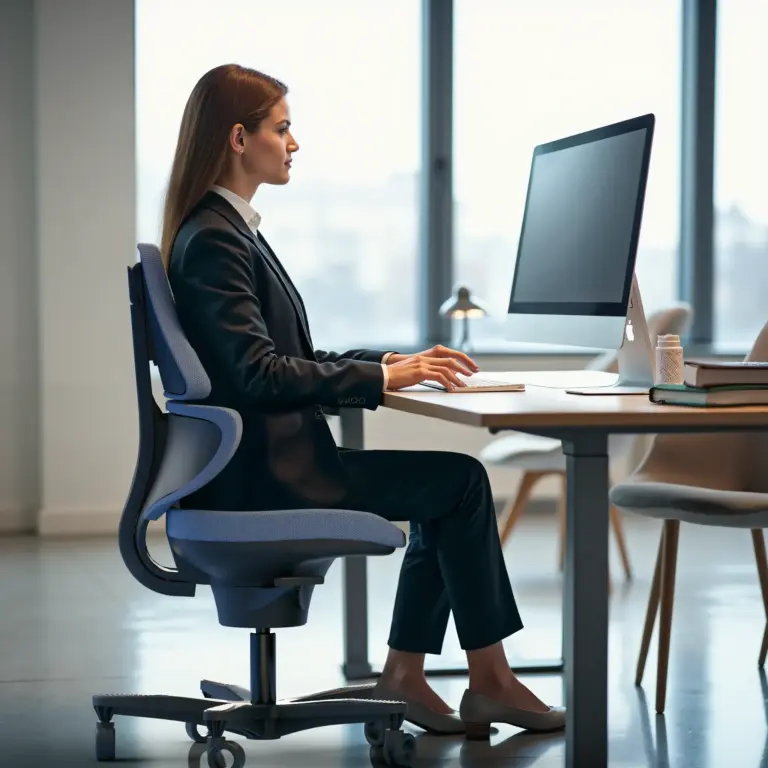
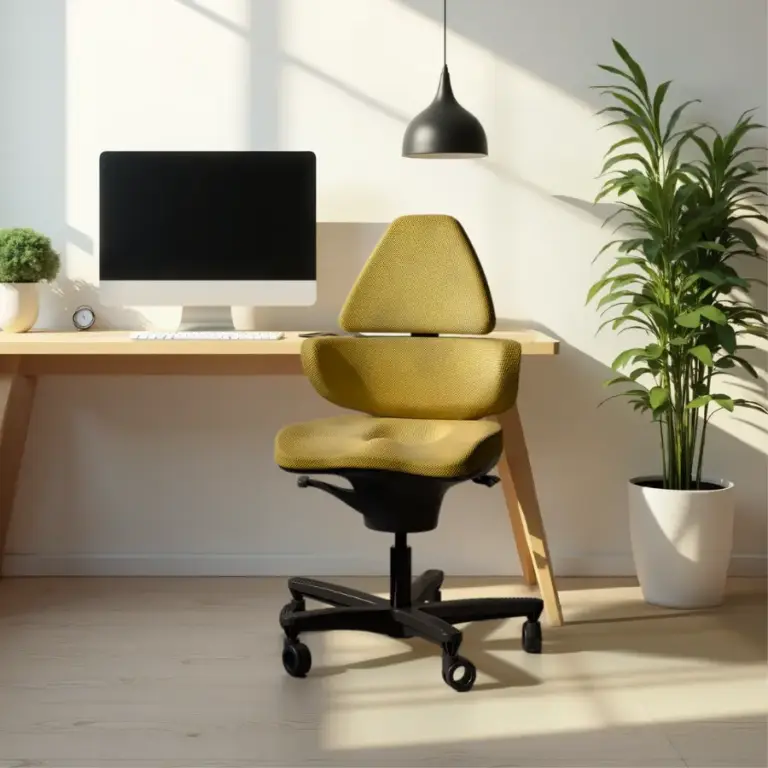
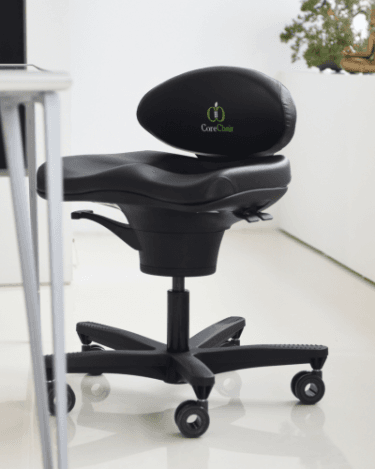
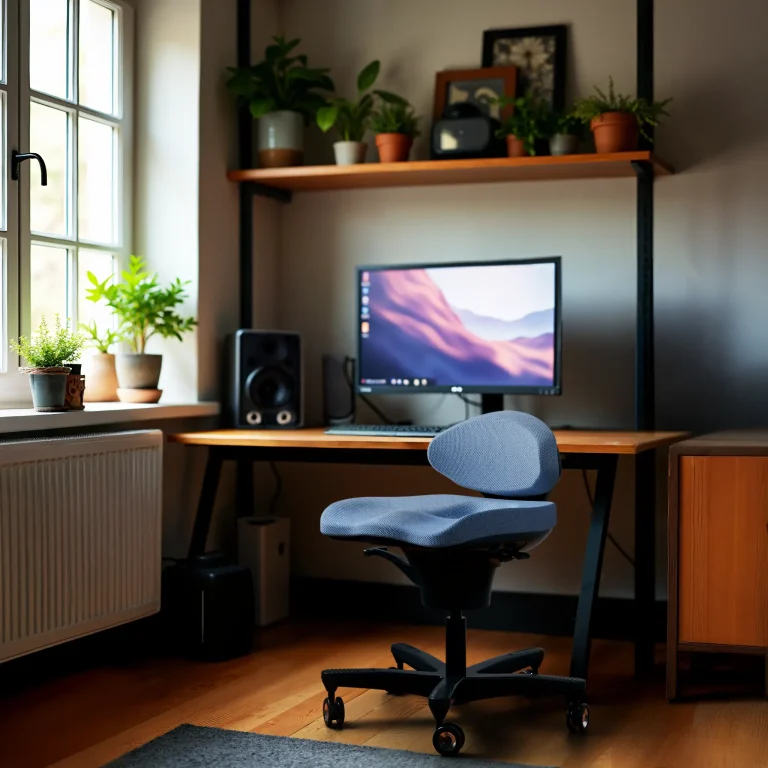
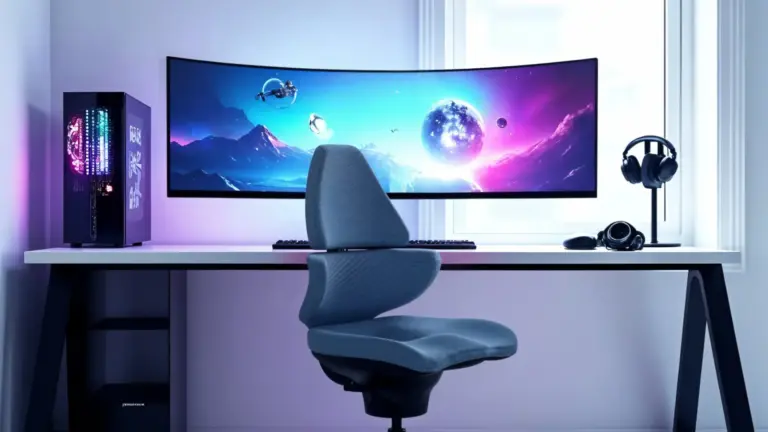
CoreChair’s seat is specifically sculpted to support the pelvis in a neutral upright position. The contour of the sculpted sit surface cradles the ischial tuberosities and sacral-coccygeal region, and shifts the support onto the trochanters and posterior thighs, providing a stable base of support and a mechanical obstruction to diminish the potential of forward slide of the sit bones. This surface compliments the posterior upper pelvic contact to maintain an upright neutral pelvis. This design directly addresses the root mechanism of office chair for sacrum pain: pelvic tilt and sacral loading.
Research from Cornell University confirmed that CoreChair achieves significantly superior pressure distribution compared to a high-end conventional ergonomic chair – reducing the focal pressure concentrations that drive sacral discomfort. The Cornell study used pressure mapping to quantify the difference: CoreChair distributed weight more evenly across the sitting surface, protecting the tissue zones most vulnerable to ischemic injury from prolonged focal loading.
Active Movement and Pressure Relief
The patented movement base allows the pelvis and lower spine to move continuously during normal seated activity. The movement base allows up to 14 degrees of tilt in all directions – providing enough range for continuous micro-movement without compromising postural stability. This micro-movement periodically redistributes sitting sacral pressure – preventing the sustained focal loading that progresses from discomfort to pain during long sessions. It also maintains circulation to the sacral and gluteal tissue, addressing the ischemic component of pressure-related pain at its circulatory root.
The Memorial University study demonstrated that CoreChair reduced perceived back and sacral pain while improving lower limb blood flow – a direct validation of this circulatory mechanism. Movement is not merely a feature: it is the mechanism that prevents the prolonged static loading that sacral pain requires to develop.
Research on Pressure and Pain
The University of Guelph study measured blood flow and skin sensitivity – physiological markers that directly correlate with tissue loading and ischemia. CoreChair users showed improved blood flow and reduced tissue sensitivity compared to conventional chair users across the same session duration. This is the physiological story of why sacrum pain when sitting is reduced by active seating: circulation is maintained, ischemia is prevented, and tissue remains viable and pain-free.
Practical Steps for Managing Sacral Pain at Work
1. Address Pelvic Position First
Before adjusting lumbar support, focus on pelvic position. The pelvis is the foundation. Sit with your weight forward on your sitting bones, not rolled backward onto your sacrum. CoreChair’s seat contour does this automatically – but if you use a conventional chair, a downward sloping seat, with a support contacting the upper posterior pelvic region, can help establish a better starting position.
2. Set Seat Height Correctly
Your hips should be at or slightly above knee level. Hips lower than knees increase posterior pelvic tilt and sacral loading. This single adjustment – correct seat height – can meaningfully reduce sacral pressure before any other intervention.
3. Break Static Loading Every 45 Minutes
Stand up, walk briefly, or shift your weight for 2–3 minutes every 45 minutes. This restores circulation to sacral tissue and interrupts the pressure accumulation cycle. CoreChair reduces the urgency of these breaks through continuous micro-movement – but they remain beneficial as part of a complete approach. The broader connection between posture, circulation, and spinal health helps explain why this combination works better than either intervention alone.
4. Consider the Full Seating System
The CoreChair Elite adds the Clever Spine – a patent-pending upper back support that allows natural extension, flexion, and rotation through the thoracic spine – making it appropriate for users who also experience mid-back or shoulder tension alongside sacral pain.
The Right Chair Makes the Difference
Sacrum pain while sitting is not an inevitable consequence of desk work – it is a consequence of the wrong seating environment. When the seat positions the pelvis correctly, distributes weight away from the sacrum, and allows movement that prevents pressure accumulation, sacral pain simply does not develop in the way that conventional chairs permit.
CoreChair’s research-backed design addresses each of these mechanisms directly – making it the best office chair for sacrum pain for people who need a solution that works across a full workday, not just for the first hour.
Learn more about how CoreChair addresses back pain and pressure-related discomfort, explore active sitting benefits, and see what users report about relief from the sacral and lower back discomfort that conventional chairs create and sustain.


Patrick Harrison
BSc KINESIOLOGY
Founder of CoreChair, Patrick has spent over 40 years developing ergonomic and mobility solutions that help people sit, move, and work more comfortably.
Research and References
- Cornell University Pressure Mapping Study – Better weight distribution and comfort on CoreChair vs high-end ergonomic chairs.
- University of Waterloo Posture & Muscle Recruitment Study – CoreChair increased trunk stability, movement, and core muscle activation.
- University of Guelph Physiological & Cognitive Measures Study – Improved blood flow, skin sensitivity, and movement on CoreChair.
- Memorial University Active Sitting Study – Reduced perceived back pain, improved sitting posture, and better lower limb blood flow.
- Biomechanical Benefits of Active Sitting (Leger et al., 2023) – Active chairs increase trunk movement, muscle activity, and postural variation.
- Active Sitting vs Traditional Sitting and Standing (Leger et al., 2022) – Active sitting improves circulation, muscle engagement, and energy expenditure.
- Physiological and Cognitive Outcomes with Multi-Axial Chair (Triglav et al., 2019) – Active multi-axial chairs improve circulation and reduce cognitive errors.