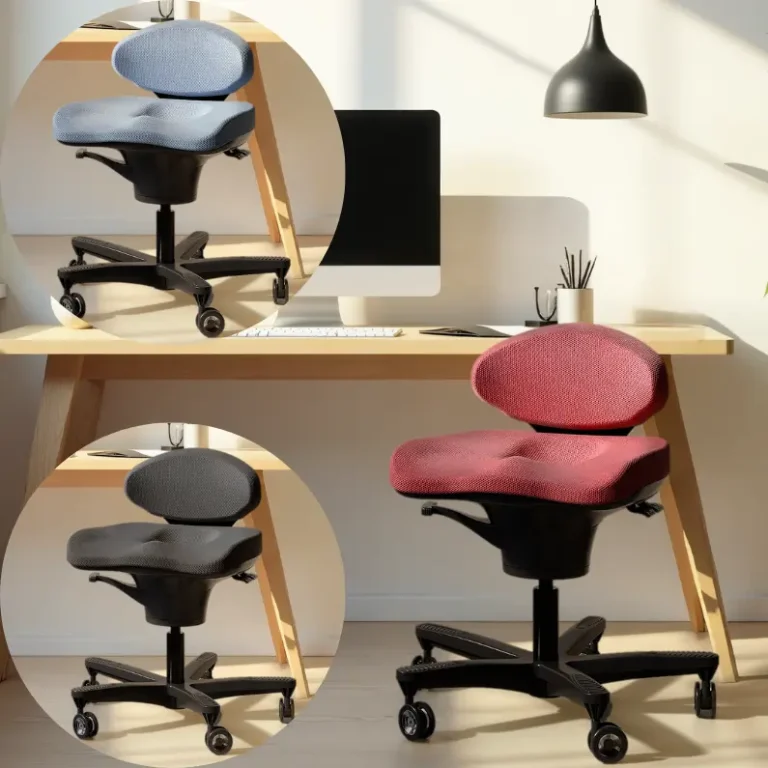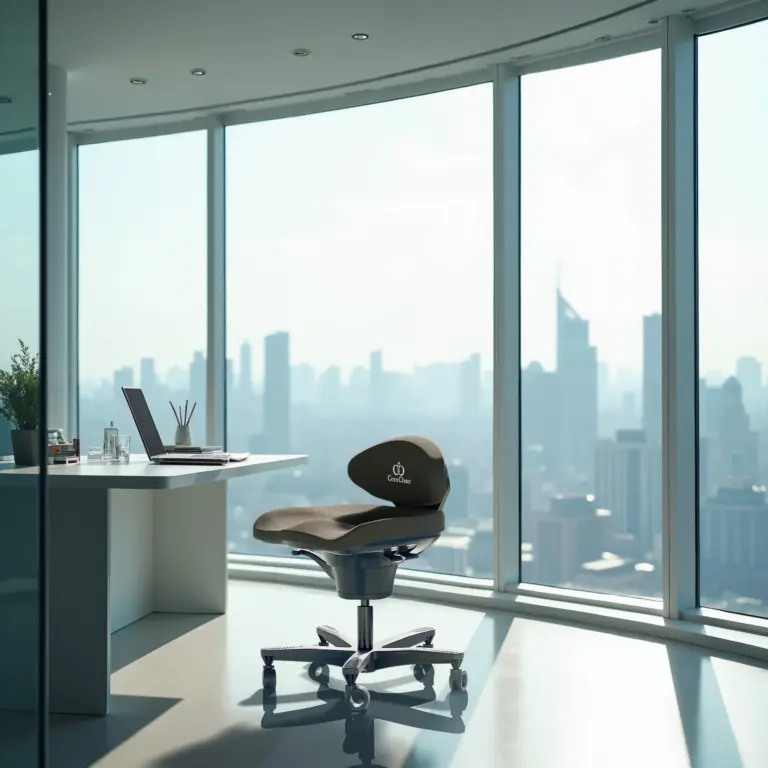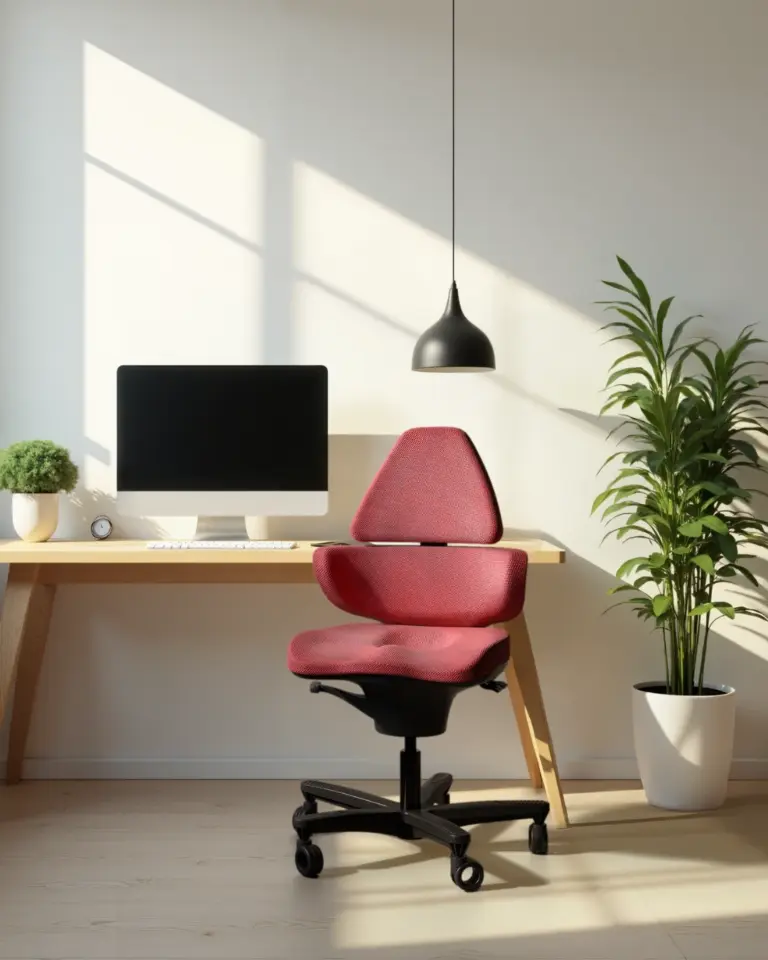
Long periods of sitting have entered our daily mode of life in the modern era. Many people spend many hours seated. They are working at a desk and driving in a sitting pose. Sadly, this lack of activity has resulted in “sitting disease”. It refers to the negative health effects of prolonged sitting. In addition to decreased heart health and raised dangers for diabetes and obesity, they include back pain and bad posture. To address this modern problem and promote more active behaviors for better well-being, creative solutions like the CoreChair are starting to appear.
Discovering of What is the Sitting Disease
Studies have demonstrated slowing of t metabolism from extended periods of sitting. Calorie expenditure is decreased. Muscle activation is lowered. Over time, this sedentary behavior can result in weakened core muscles and joint stiffness. Blood flow circulation is impaired. Even regular sitting disease exercise might not fully counteract the negative impacts of prolonged daily sitting. This underscores the importance of adopting more dynamic and supportive seating options.
Analyzing of Sitting Disease Symptoms
A sedentary behavior can lead to some physical and mental health issues.
Discomfort in the Area of Neck and Back
Sitting for extended periods often results in poor posture. The spine and body parts near muscles are strained. This leads to the appearance of sitting disease symptoms. Discomfort and pain can occur.
Limited Flexibility
Extended inactivity can lead to joint stiffness in the hips and lower back.
Inadequate Blood Flow
Sitting for long durations can reduce blood flow circulation. This results in swollen ankles and numbness. Varicose veins can occur.
Gaining Weight
Prolonged sitting can lower calorie expenditure. This can lead to weight gain and related metabolic disorders.
Feeling Tired
Inactivity can lead to feelings of lethargy. Such a mode of life decreases your general energy levels.
Heightened Danger of Sitting Heart Disease
Sedentary habits can cause increased risks of sitting heart disease and diabetes. Some types of cancer can be linked with such a manner of life.
Reduced Mental Ability
Prolonged inactivity can affect mood and cognitive functionality. This can result in sitting disease symptoms. Feelings of stress and depression are reported.
Advice on How to Ease Lower Back Pain While Sitting
Lower back pain often accompanies sitting diseases. However, there are practical measures you can take to ease it.
– Verify that your chair offers sufficient lumbar support and lower back support. In case of a lack of this support, you can consider adding a lumbar roll and cushion for extra comfort.
– Keep a straight back. Your feet remain on the floor. Avoid spending a lot of time slouching or leaning forward.
– Using an active chair like the CoreChair, which encourages little movements to keep your core engaged, will help you strengthen your core muscles.
– You need to guarantee correct alignment and reduce strain on your lower back. So, you can utilize a footrest in case of not comfortable location of your feet on the floor.
– You can get up, stretch, and go for a stroll every half an hour. This helps to relieve pressure on your spine and improve blood flow circulation
– Gentle stretches can help relieve lower back tightness.
– You are advised to make use of ergonomic devices. Chairs and sit-stand workstations must promote dynamic movement. So, you can alleviate painful sensations in the back.
Discovering Sitting Disease Exercise Types
Adding exercises to your daily routine can reduce the impacts of sitting diseases. They advance your general state of health. Here are some effective workouts:
Stretches for the Workplace
You can gradually tilt your head to one side. Later, you need to move your ear to your shoulder. You need to hold the position for 15-30 seconds on each side. You are advised to rotate your shoulders forward and backward. This activity alleviates tension and advance mobility. You can sit up straight and place one hand on the opposite knee. Later, you need to gently twist your torso. However, your hips remain facing forward.
Core Engagement
While sitting, straighten one leg and hold it for a few seconds before lowering. Switch legs to activate your core muscles. Maintaining an upright posture and gently tilting your pelvis forward and backward helps to ease tension in your lower back.
Sitting Disease Exercise When Standing
You must stand up and raise your heels off the ground. You need to balance on your toes. Slowly lower yourself back down. Next, put one foot on a chair or low surface with your leg straightened out; lean forward to stretch the back of your thigh.
Dynamic Sitting
Try using a CoreChair to incorporate micro-movements while sitting, helping to strengthen your core and enhance posture.
The CoreChair: Revolutionizing Active Sitting
The CoreChair offers a groundbreaking seating solution. This chair promotes active sitting and advances general wellness. It prioritizes posture, mobility, and ergonomic support, in contrast to traditional office chairs. This is what distinguishes it:

Encourages Dynamic Sitting
The innovative design of the CoreChair promotes subtle, controlled movements. These small movements activate core muscles. This approach not only strengthens the core. It also alleviates strain on the lower back.
User-Friendly Design
Featuring a low backrest to support the pelvis and lumbar spine the CoreChair assists users in maintaining proper alignment. This significantly reduces the threat of developing painful sensations in the back and poor posture over time.
Enhances Blood Flow
The CoreChair promotes movement, helping to prevent circulation problems commonly associated with extended sitting, like leg swelling and numbness.
Advances Efficiency
Active sitting keeps the body engaged, enhancing focus and reducing fatigue. This makes it an excellent option for workplace settings.
Advantages of Engaging in Active Sitting for Health
Opting for an active sitting solution such as the CoreChair can offer a variety of health benefits.
Lowered Risk of Sitting Heart Disease
Active sitting encourages movement throughout the day, helping to reduce the risks linked with sedentary behavior like heart disease and type 2 diabetes.
Improved Core Stability
Consistently engaging your core muscles enhances stability and decreases the risk of back pain.
Proper Posture
Active sitting encourages proper spinal alignment. This helps to lower the possibility of rounded shoulders and slouching.
Enhanced Mental Wellness
Physical activity enhances the movement of blood flow to the brain. This boosts concentration and mood. General cognitive performance is advanced.
Including Active Sitting in Your Everyday Activities
Making the switch to active sitting doesn’t mean sacrificing comfort and convenience. Let’s discover some tips to help you get started.
Consider Investing in a CoreChair
Swapping out your traditional office chair for a CoreChair is an easy and effective method to incorporate active sitting into your routine.
Switch Between Sitting and Standing
Consider using a sit-stand desk to interrupt long stretches of sitting. This can add more movement to your daily activity.
Schedule Often Breaks
To stay active and minimize stiffness, get up to stretch and move around every half hour.
Participate in Small Movements
You can try moving your hips and shifting your weight to keep your muscles moving while you’re seated.
The Future of Comfort in the Workplace
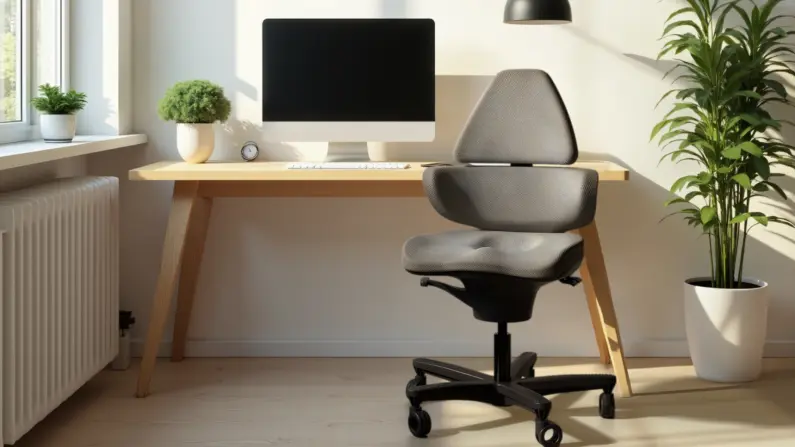
People become more conscious of the dangers of extended sitting. So, innovative solutions of CoreChair greatle change workplace wellness. These developments address the negative consequences of prolonged sitting. They encourage healthier, more active behavior because they place an emphasis on movement and ergonomics. Including active sitting into everyday routines at home and at the workplace can significantly advance mental and physical health.
With products of the CoreChair, you can wave goodbye to the negative effects of sitting diseases and embrace a healthier, more active mode of life. Your body will appreciate it.