What is Lower Back Pain and What Are the Causes of Lower Bad Pain?
Lower back pain is a common complaint among many people and refers to the discomfort caused by strain or injury to the muscles, nerves, ligaments or discs in your lower back. Common causes of lower back pain include muscle tension or spasm, joint dysfunction in the spine (such as arthritis), lumbar herniated discs, sciatica nerve compression, degenerative disc disease and osteoporosis.
Sitting for long periods of time in traditional office chairs can also contribute to lower back pain. To reduce this discomfort it is important to practice correct posture when sitting and use ergonomic active sitting chairs that offer adequate pelvic and lumbar support. Additionally, regular stretching exercises can help loosen tight muscles around your spine and reduce pain and the occasional visit to a professional trainer, physio, chiropractor or osteopath, may be beneficial to assure that you are properly aligned and employing safe and beneficial exercises.
How can I sit for long hours without back pain?
One of the best ways to sit for long hours without back pain is to invest in a lower back support chair. These chairs are designed with ergonomics in mind and include features such that help reduce strain on your lower back by encouraging optimal sitting positions and appropriate support as well as healthy and safe movement.
In addition to lower back support chairs, there are other things you can do to ensure your lower back stays healthy over long periods of sitting. Start by finding an appropriate seating position, keeping your lower back straight and your feet flat on the floor. You may also want to invest in a footrest that keeps both feet firmly planted on the ground in the event that you need to raise your chair seat higher to properly position yourself relative to your work surface while elevating your feet slightly off the ground. This helps reduce pressure on your lower spine and keeps it in a neutral position.

It is important to position yourself so that you have a more open hip angle by having your knees lower than your hips with your thighs on a downward slope. This position avoids creating a posterior pelvic tilt that flattens your lumbar spine and essentially places the spine in flexion. This flexed position stretches the supportive soft tissue on the rearward side and shortens these soft tissues on the front side. This leads to joint instability that can be further impacted by other activities of daily living and the potential trauma that this might cause. This flexed position also contributes to possible displacement of the intervertebral disc, which in turn places pressure on the nerve roots leaving the spinal column. A lower back support chair will compliment this position by further stabilizing the pelvis and preventing this posterior tilt.
It is also important to pay attention to how you are using your chair as well. Make sure you take frequent breaks throughout the day if possible; this will allow you to stand up and stretch out any areas of tension before continuing with whatever task. By using your larger muscle groups you also improve blood flow and strengthen these complimentary muscle groups. Consider walking meetings, walking while talking on your phone, using the stairs or parking further from the office to get more general exercise.
Suggestions to Reduce Lower Back Pain
Lower back pain is a common problem many people face. Fortunately, there are some simple steps you can take to reduce lower back pain and improve your posture. One of the most important pieces of equipment you can use to help lower back pain is a lower back support chair.
A lower back support chair helps keep your lower spine in proper alignment and distributes your weight evenly. It also reduces strain on muscles and ligaments, helping to relieve lower back pain.
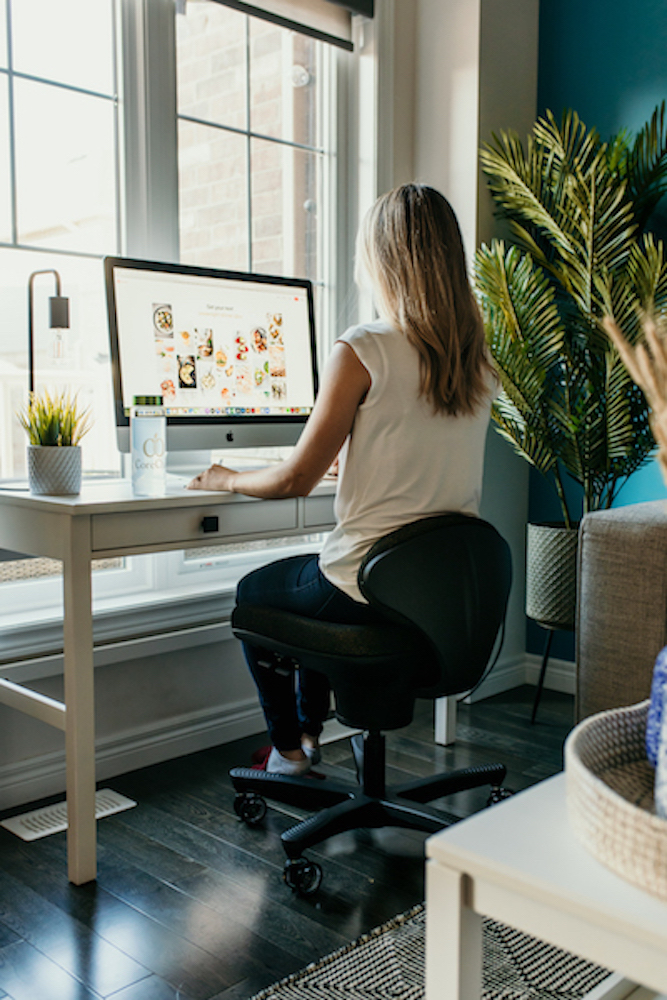
Using good posture while sitting in a lower back support chair is essential for reducing lower back pain. When seated in the chair, your feet should be flat on the floor with your knees bent at about greater than 90-degree angles.
Your hips should be slightly higher than your knees so as not to put any direct pressure on them, as this can cause strain on the lower spine. Keep your shoulders relaxed and down away from your ears; raising them increases tension in the neck and upper shoulders which can lead to further discomfort over time. Lumbar supports should be placed along sacrum and pelvis and the curve of the lower spine rather than directly against it so they don’t compress any nerves or vessels that could be causing lower back pain.
In addition to using a lower back support chair, taking regular breaks from sitting is key for reducing lower back pain. Get up every 30 minutes or so for a few minutes of stretching or light activity such as walking around or doing some light housework; this helps reset your posture without putting too much strain on muscles or joints that are already overworked and painful due to sitting for long periods of time. CoreChair will allow you to do exercises on your chair that will strengthen your core. Furthermore, making sure you’re exercising regularly and maintaining strong core muscles will help protect against lower back pain since these muscles provide extra support when sitting for extended periods of time – something we all have to do quite often!
What is lumbar support?
Lumbar support is used to describe a chair’s lower back area or another seating surface. CoreChair lumbar support is designed to provide ergonomic support and comfort during long periods of sitting, where the support is directed more to the upper pelvis and sacral area, reducing the risk of lower back pain and posture-related issues. Lumbar support can be provided in the form of adjustable lumbar cushions, built-in lower back panels, lower back rolls, or orthopedic lower backrests. All supports are optimized if they provide more support over the pelvis rather than directly on the spine.
Adjustable lumbar cushions are typically placed just above the buttocks for optimal lower back support. They are adjustable depending on user requirements and preferences, with some models offering additional lumbar cushioning for extra comfort and support. However, they are more effective If you really want to relieve back pain, when used in conjunction with a sculpted seat that prevents your sit bones from sliding forward on the sit surface.
Built-in lower back panels also provide ergonomic lower back support, if they are adjustable. The panels come in various shapes and sizes and feature contoured designs that fit snugly around the lower spine to improve posture while sitting.
Lower back rolls are usually constructed from foam or fabric with semi-rigid cores, allowing them to be positioned in the curve of the lower spine for improved posture and lower back health. These rolls can also be leveled up or down to suit individual needs. But they have lower level of lumbar support the same as cushions.
Finally, orthopedic lower backrest as in CoreChair are designed specifically to cradle the upper pelvis and lower spine and ensure good ergonomics while seated at a computer desk or chair. It has adjustable supports so that you can find your ideal positioning for increased comfort and reduced strain over time. The lumbar support on CoreChair provides relief to back pain and active sitting technology will help you to strengthen your core muscles.
Finding the Best Office Chair for Lower Back Pain
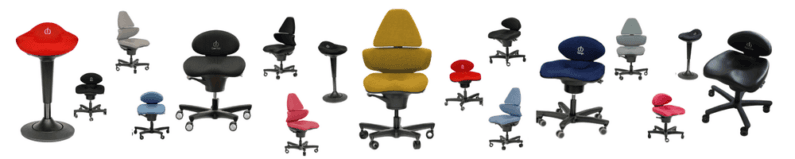
Finding the best office chair for lower back pain is important for anyone who spends long hours at their desk. Sitting for extended periods of time without adequate lower back support can lead to lower back pain, and even chronic lower back issues if not addressed properly. Having a lower back support chair that offers the ideal balance between comfort and support is essential for reducing any lower back discomfort or issues.
The size of your lower back support chair should also be taken into account when making a purchase; a chair too large can cause slouching which is not good for your posture either. Take measurements of the space where you’ll be placing your new office chair to make sure it fits comfortably without taking up too much room. Be aware that if the seat depth is too long this may cause your pelvis to tilt rearward.
Make sure the materials are made from quality materials that are built to last; always do your research on any product before making a purchase so you know exactly what you’re getting. With these tips in mind and by doing thorough research on what type of lower back support chairs are available on the market today, you’ll be sure to find an office chair that fits your needs and keeps your lower spine supported all day long!
CoreChair – the best lower back support computer chair
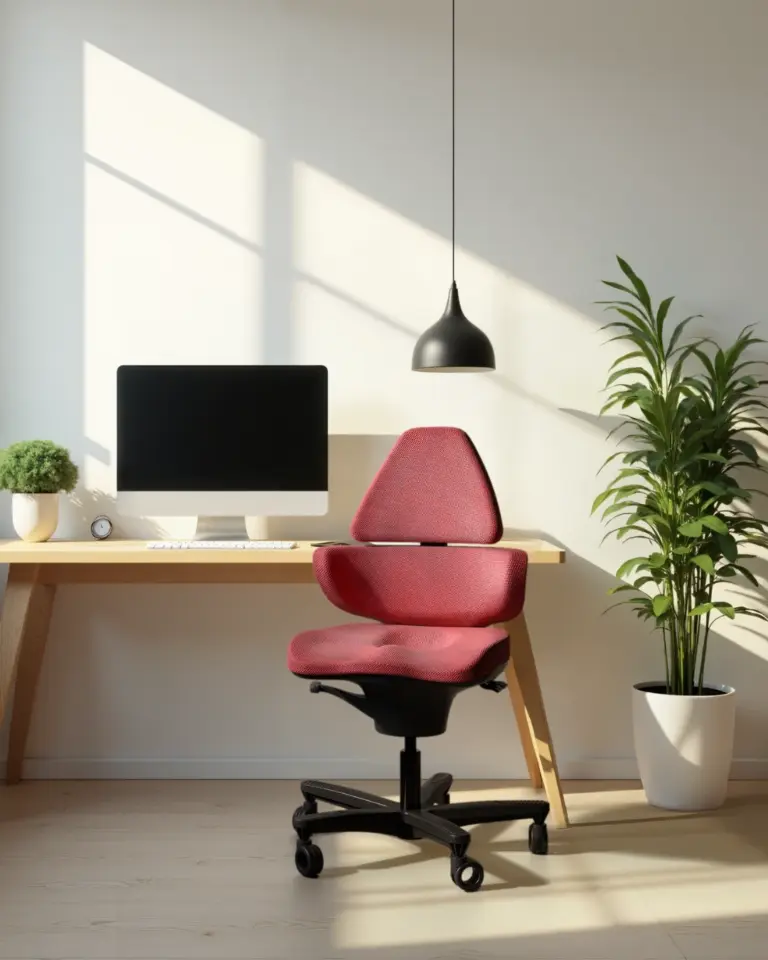
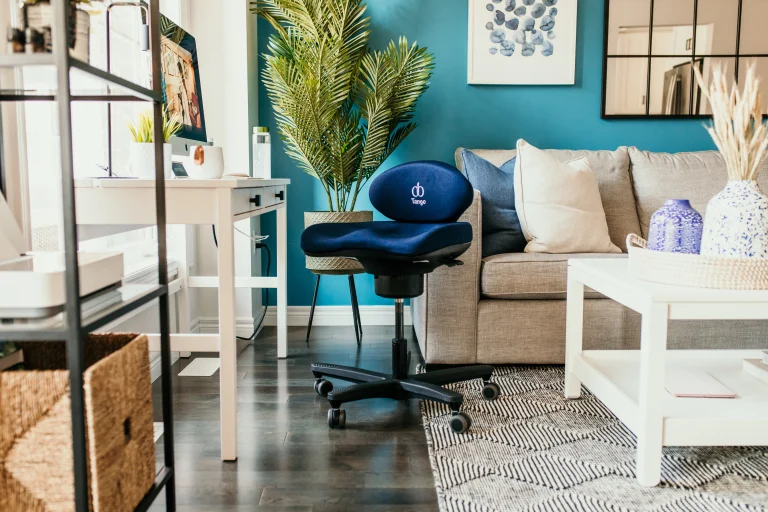
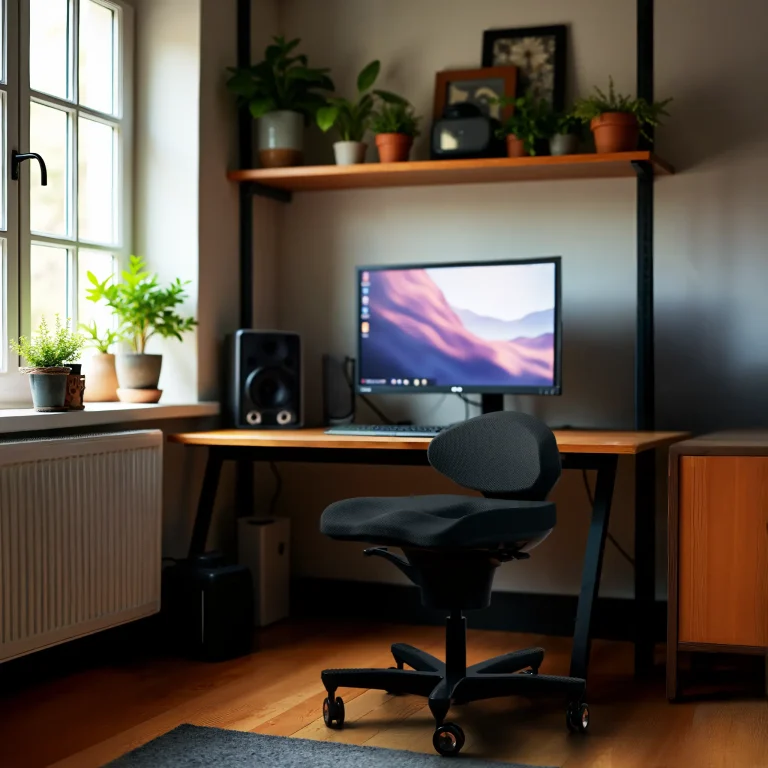
CoreChair is the best lower back support computer chair to help you stay comfortable, sit balanced, be productive, and healthy. With its ergonomic design that contours to your body for superior comfort as well as lower back support, it’s no wonder why this chair is so sought after.
CoreChair is the perfect lower-back support computer chair for anyone looking for long-term comfort and productivity.
CoreChair– your simple solution to back pain.
Similar to an orthotic device that is designed to embrace and support various boney structures and joints within our bodies, CoreChair optimizes pelvic support with a complimentary sculpted seat and pelvic support cushion. In harmony, these cushions embrace your pelvis to encourage an upright neutral pelvic orientation. Like building a house, we need to start with a good foundation.
The outcome is a stable base that allows balance in our spine as well as the ability of our spine to work as designed with ease of natural movement through flexion, extension and rotation.
A healthy spine also requires a diversity of movement which involves stimulating blood flow, mobilizing the joints, strengthening core muscles and hydrating the vertebral discs. Often when we experience back pain our tendency is to rest up and stop strenuous activity. While this may be recommended in the short term, long term it may not be helpful. Movement and specific back exercises are needed to help alleviate and remedy back pain. Moving on a CoreChair provides an excellent opportunity to gradually work the back and core in a controlled manner to help avoid stiffness, strengthen and alleviate pain.
A study completed by Memorial University concluded that participants sitting in the CoreChair adopted a more upright posture, experienced less back pain and stiffness and had enhanced blood flow when compared to sitting in a traditional office chair.

Reduced Back Pain
Pelvic support provides the foundation for a balanced healthy spine to prevent slumping, optimize posture, and reduce back pain and discomfort.

Core Strength
Movement is the key to maintaining core strength and more movement will definitely build strength. One absolute is that if you don’t use it you will lose it.
Extraordinary comfort meets incredible pelvic support.
Proper distribution of our weight when sitting is a critical factor in chair selection as it translates into seating comfort. Poorly designed chairs can result in uncomfortable pressure points and restriction of circulation. The seat of the CoreChair is aggressively sculpted to embrace your sit bones and provide even weight distribution allowing your circulation to flow freely, so you can focus on your work, not your discomfort.
Graduate students from Cornell University (with guidance from Dr. Alan Hedge), investigated sitting pressure on CoreChair compared to a high-end ergonomic office chair and discovered that CoreChair has more evenly dispersed weight thereby significantly lowering pressure points. This means significantly better comfort for you.

Sculpted Seat
Sculpted seat harmonizes with pelvic stabilizer to relieve pressure points, prevents sliding, and provide added comfort.

Pelvic Support
Our seat cushion works in conjunction with the pelvic support to stabilize the pelvis, optimize sitting posture, and reduce back pain.
Boosting brain power through movement.
Being physically active not only helps us avoid negative outcomes such as chronic disease and obesity, but also helps to boost our brainpower! Cognition, how we understand and interact in the world, related to the brain-based skills needed to learn, remember and solve problems. Physical activity, whether exercise in the gym or incidental movement on your CoreChair, aids our cognitive power by stimulating blood flow to the brain, delivering oxygen and glucose to make us better able to work on tasks both simplistic and complex. Introduce movement into your workday and experience the benefits of improved focus, increased productivity, and more brainpower!
Dr. Leah Bent conducted a four-hour investigation at the University of Guelph and discovered there was a significant reduction in calf circumference indicative of improved lower extremity blood flow and a significant reduction of errors commissioned utilizing SART (Sustained Attention to Response Task) suggesting enhanced cognitive function with blood flow.

Blood Flow
Movement stimulates your lymphatic system and blood flow to keep your vital systems working well.

Brain Power
Increased blood flow to the brain keeps you alert and creative, making you happier and more productive in the workplace.
IMPROVING YOUR HEALTH ONE MOVE AT A TIME.
There’s a distinct difference between exercise and physical activity. Exercise is a subcategory of physical activity and is planned, structured, repetitive and purposeful with a fitness objective. Physical activity includes exercise in addition to other activities that involve movement including pacing, household chores and other recreational activities.
CoreChair is proud to be NEAT™ Certified (NEAT™ stands for the science of Non Exercise Activity Thermogenesis, developed by Mayo Clinic). We now know that activity, all activity, is good for our health.

Increased Caloric Burn
Movement burns calories and helps manage our weight and mood, which bolsters our energy! CoreChair users can expect an increased metabolic demand of 20%!

Increased Circulation
Swollen ankles? Movement stimulates your circulation. Not just to make your heart pump but also assists your vascular return.