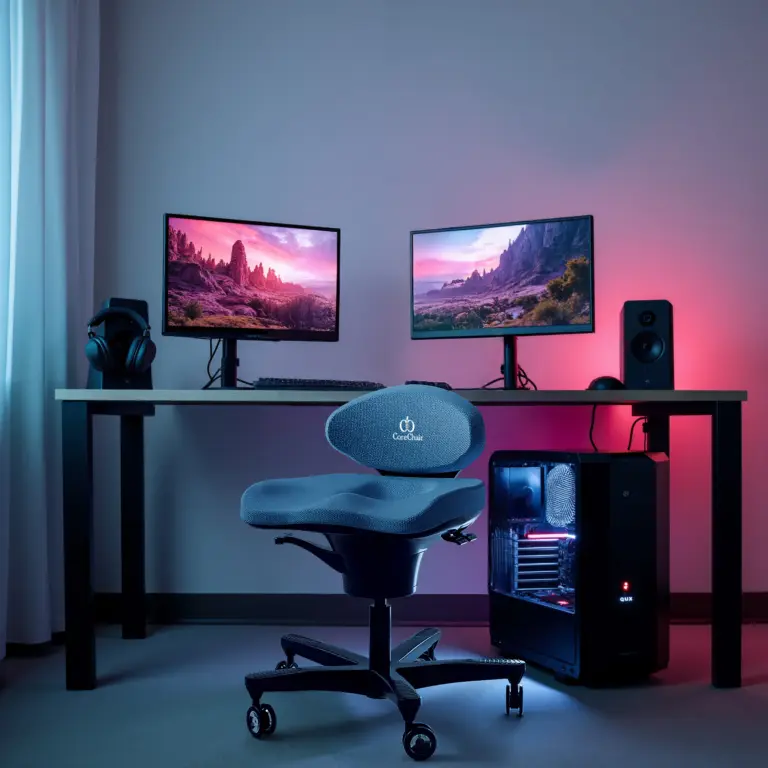
If you have been diagnosed with hypertonic pelvic floor muscle dysfunction – or suspect you may have it – you already know how disruptive it can be. Chronic pelvic pain, urinary urgency, sexual dysfunction, and deep discomfort that conventional treatments struggle to resolve. What you may not realize is that the chair you sit in for eight hours a day could be one of the primary factors driving the condition.
Hypertonic pelvic floor muscle dysfunction occurs when the muscles of the pelvic floor become chronically tight, overactive, and unable to fully relax. While many factors contribute, prolonged static sitting is one of the most overlooked – and most modifiable – causes. Understanding the role your seating plays opens the door to a practical, daily intervention that supports recovery alongside professional treatment.
What Is Hypertonic Pelvic Floor Muscle Dysfunction?
The pelvic floor is a group of muscles that spans the base of the pelvis, supporting the bladder, bowel, and reproductive organs. These muscles are designed to contract and relax in coordination – engaging when needed and releasing when not.
In hypertonic pelvic floor muscle dysfunction, these muscles become stuck in a state of excessive tension. They contract too strongly, too frequently, or fail to relax fully after contraction. This creates a range of symptoms that can significantly impact quality of life.
Common Symptoms
- Chronic pelvic pain or pressure
- Pain during or after sitting for extended periods
- Urinary urgency, frequency, or hesitancy
- Painful urination
- Constipation or painful bowel movements
- In men, hypertonic pelvic floor erectile dysfunction – difficulty achieving or maintaining erections due to excessive muscle tension restricting blood flow
- Low back pain that does not respond to typical treatments
- A sensation of incomplete bladder or bowel emptying
Why It Is Often Misdiagnosed
Hypertonic pelvic floor dysfunction is frequently misdiagnosed because its symptoms overlap with urinary tract infections, prostatitis, endometriosis, and other conditions. Many patients go through rounds of antibiotics or other treatments before the true muscular cause is identified. Once properly diagnosed, treatment typically involves pelvic floor physical therapy focused on relaxation and lengthening – not strengthening.
How Prolonged Sitting Creates Pelvic Floor Tension
The connection between sitting and hypertonic pelvic floor muscle dysfunction is mechanical, circulatory, and neurological.
Direct Compression
When you sit in a standard chair, your body weight presses directly onto the pelvic floor muscles. Traditional flat seats concentrate this pressure on the perineum and ischial tuberosities (sit bones), compressing the pelvic floor for hours at a time. This sustained compression triggers a protective tightening response – the muscles contract against the pressure and gradually lose their ability to fully release.
Static Positioning
Healthy pelvic floor function depends on the muscles cycling between contraction and relaxation. Static sitting eliminates this cycle. When you sit motionless, the pelvic floor is held in a constant low-grade contraction without the movement signals that would prompt relaxation. Over months and years, this trains the muscles to remain hypertonic as their default state.
Postural Misalignment
Slouched sitting tilts the pelvis posteriorly, changing the length-tension relationship of the pelvic floor muscles. In this position, some fibers are chronically shortened while others are overstretched – creating an unbalanced tension pattern that the muscles cannot self-correct during continued sitting. Poor posture and its impact on overall health extends directly to pelvic floor function.
Restricted Circulation
Static sitting reduces blood flow to the pelvic region. Tight muscles need adequate circulation to receive oxygen, clear metabolic waste, and maintain healthy tissue. Impaired blood flow perpetuates the hypertonic state by preventing the muscles from recovering even during periods of relative rest.
Stress and the Nervous System
The pelvic floor is highly responsive to stress. When your sympathetic nervous system is activated — as it is during the anxiety and stress that poor posture promotes – the pelvic floor muscles tighten reflexively. Chronic stress from sustained poor posture keeps these muscles in a state of readiness that gradually becomes a state of dysfunction.
Why Standard Ergonomic Chairs Make It Worse
Most conventional ergonomic chairs are designed to support static sitting. They hold your body in a fixed position, which may reduce back pain but does nothing to address – and often worsens – pelvic floor tension.
Flat Seat Surfaces
Standard chair seats distribute weight across a flat plane, concentrating pressure directly on the pelvic floor. Padding helps but does not eliminate the fundamental compression. The longer you sit, the more pressure accumulates on the very muscles that are already too tight.
No Movement Stimulus
Static chairs provide no movement. Without periodic changes in pelvic position, the pelvic floor receives no signal to cycle between contraction and relaxation. The muscles remain locked in their hypertonic pattern for the entire sitting session.
Posterior Pelvic Tilt
Many standard chairs, even ergonomic ones, allow or encourage a posterior pelvic tilt that disrupts the natural alignment of the pelvic floor. This misalignment alters the resting length of the muscles and perpetuates the dysfunction.
How Active Sitting Supports Pelvic Floor Recovery
Active sitting addresses the root mechanical causes that drive hypertonic pelvic floor muscle dysfunction during the hours you spend at your desk.
Pressure Redistribution
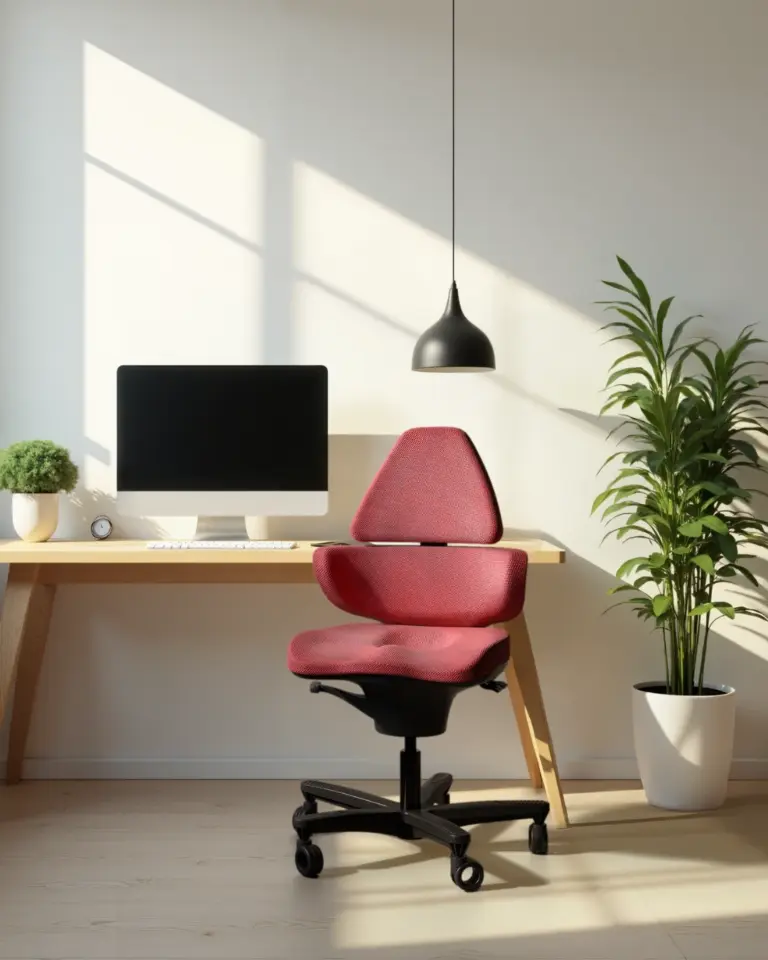
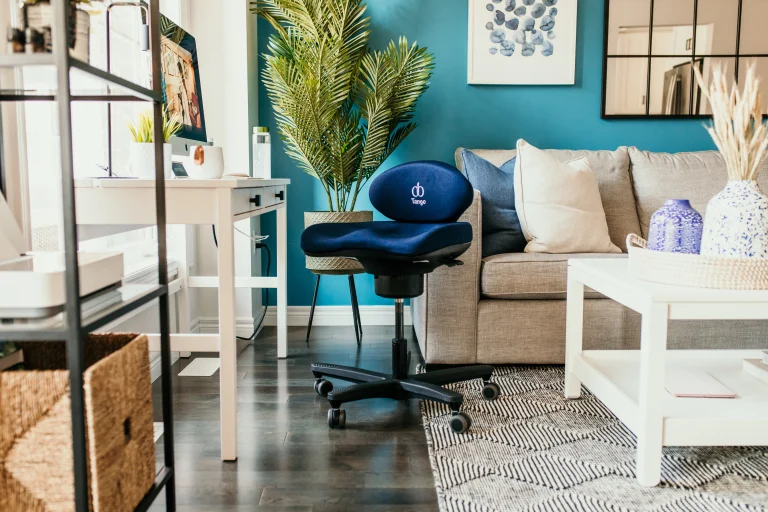
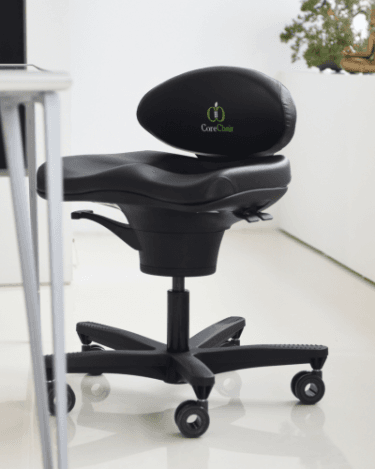
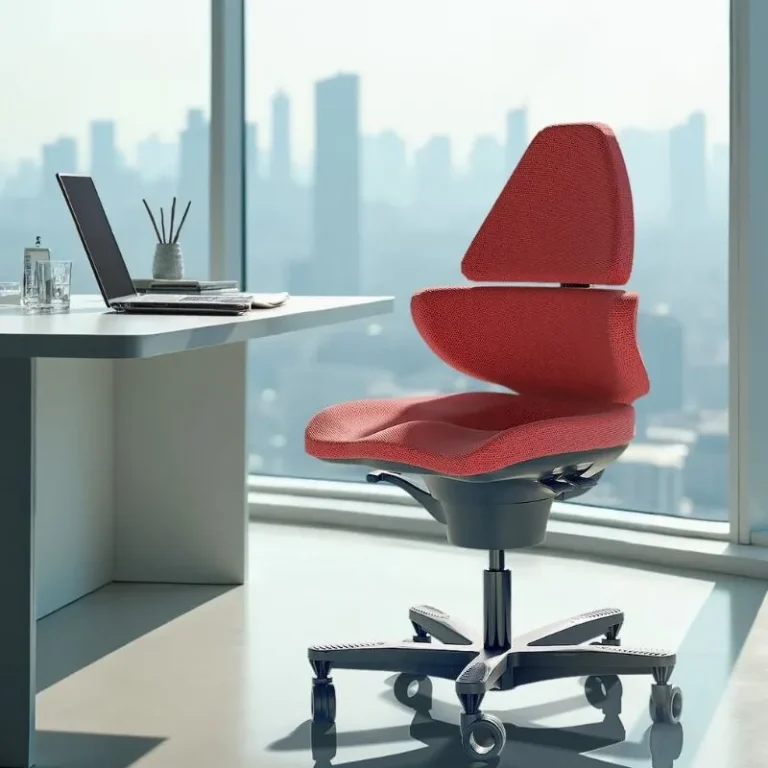
CoreChair features a sculpted seat design that redistributes sitting pressure away from the perineum and pelvic floor. Cornell University research confirmed that CoreChair achieves significantly better weight distribution than high-end ergonomic alternatives — reducing the direct compression that triggers and maintains pelvic floor hypertonicity.
The CoreChair Elite offers additional seat adjustability for users who need precise pressure management for sensitive pelvic floor conditions.
Continuous Pelvic Movement
CoreChair’s patented 360-degree movement base introduces continuous, gentle pelvic motion throughout the workday. This motion cycles the pelvic floor muscles through subtle contractions and relaxations — the very pattern that hypertonic muscles need to begin releasing their chronic tension.
This is not aggressive movement. It is the kind of natural, low-amplitude motion that your pelvis was designed to perform — and that static chairs completely eliminate.
Neutral Pelvic Alignment
CoreChair’s sculpted seat naturally positions the pelvis in a neutral tilt – neither excessively anterior nor posterior. This restores the optimal length-tension relationship of the pelvic floor muscles, allowing them to function in the range where both contraction and relaxation are possible. Proper pelvic alignment is the foundation upon which pelvic floor recovery is built.
Improved Pelvic Circulation
The gentle movement facilitated by CoreChair improves blood flow to the pelvic region. Memorial University research found that CoreChair improved lower limb blood flow and promoted healthier sitting patterns. The University of Guelph study similarly demonstrated improved circulation during active sitting. Better blood flow delivers oxygen and nutrients to the tight muscles while clearing the metabolic waste products that contribute to sustained tension.
Nervous System Regulation
Active sitting in an upright, open posture supports parasympathetic nervous system activation — the “rest and digest” state in which tight muscles are most able to release. By reducing the postural triggers for sympathetic activation, CoreChair creates a neurological environment that supports pelvic floor relaxation throughout the workday.
Hypertonic Pelvic Floor Dysfunction Exercises to Complement Active Sitting
Active sitting provides a foundation of improved pelvic mechanics throughout the day. Combining it with targeted hypertonic pelvic floor dysfunction exercises accelerates recovery.
1. Diaphragmatic Breathing
The diaphragm and pelvic floor move in coordination. Deep belly breathing causes the pelvic floor to descend and lengthen on each inhale – directly counteracting hypertonicity. Practice five minutes of slow diaphragmatic breathing three times daily. CoreChair’s upright posture keeps your chest open and your diaphragm uncompressed, making this breathing pattern easier to maintain.
2. Child’s Pose with Deep Breathing
Kneel and fold forward with arms extended, resting your forehead on the floor. Breathe deeply into your belly, feeling the pelvic floor lengthen with each inhale. Hold for two minutes. This position gravity-assists pelvic floor relaxation.
3. Happy Baby Pose
Lie on your back and draw your knees toward your armpits, holding the outer edges of your feet. Breathe deeply and allow the pelvic floor to release with each exhale. This gently stretches the pelvic floor muscles in a supported position.
4. Adductor Stretching
Tight inner thigh muscles often accompany and reinforce pelvic floor hypertonicity. Seated butterfly stretches or standing wide-leg forward folds help release the adductors, reducing the overall tension pattern that includes the pelvic floor.
5. Reverse Kegels
Unlike standard Kegels, which tighten the pelvic floor, reverse Kegels focus on consciously relaxing and lengthening these muscles. Inhale and gently push as though you are trying to release gas — feeling the pelvic floor descend and open. Hold the relaxed position for five seconds, then release. Repeat ten times, three times daily.
Addressing Hypertonic Pelvic Floor Erectile Dysfunction
For men, hypertonic pelvic floor erectile dysfunction is one of the most distressing consequences of chronic pelvic floor tension. The mechanism is straightforward: the pelvic floor muscles surround the blood vessels that supply the erectile tissue. When these muscles are chronically tight, they restrict blood flow, making it difficult to achieve or maintain an erection.
This is not a psychological issue – it is a mechanical one. And it responds to the same interventions that address the underlying hypertonicity:
- Reduced pelvic compression from a properly designed seat
- Improved pelvic circulation from active sitting movement
- Neutral pelvic alignment that restores healthy muscle length
- Stress reduction that allows the nervous system to support relaxation
- Targeted exercises focused on pelvic floor lengthening, not strengthening
CoreChair addresses the first four factors during every hour of sitting, making it a practical daily complement to professional pelvic floor treatment.
A Daily Tool for Pelvic Floor Recovery
Hypertonic pelvic floor muscle dysfunction develops over thousands of hours of sitting. It makes sense that recovery should include a better approach to those same hours. Active sitting on CoreChair does not replace professional pelvic floor physiotherapy – but it removes the daily mechanical insult that drives the condition and creates the physical conditions that support healing.
CoreChair’s research-backed design addresses pressure, movement, alignment, and circulation – the four pillars of pelvic floor health during sitting. Explore the full collection and see what real users experience.
Research and References
- Cornell University Pressure Mapping Study — Better weight distribution and comfort on CoreChair vs high-end ergonomic chairs.
- University of Waterloo Posture & Muscle Recruitment Study — CoreChair increased trunk stability, movement, and core muscle activation.
- University of Guelph Physiological & Cognitive Measures Study — Improved blood flow, cognitive performance, and movement on CoreChair.
- Memorial University Active Sitting Study — Improved lower limb blood flow, healthier sitting posture, and reduced perceived back pain.
- Mayo Clinic NEAT™ Certification — Measurable increases in daily energy output under NEAT™ guidelines.
- Biomechanical Benefits of Active Sitting (Leger et al., 2023) — Active chairs increase trunk movement, muscle activity, and postural variation.
- Active Sitting vs Traditional Sitting and Standing (Leger et al., 2022) — Active sitting improves circulation, muscle engagement, and energy expenditure.