Unpleasant feelings and pain in the lower back and sacral region can be caused by prolonged static sitting. The sacrum area often suffers due to poor posture, extended periods of inactivity, and lack of adequate support. For people spending long hours seated at desks without movement, or using computers, addressing sacral discomfort is becoming a crucially important issue. One highly effective solution for mitigating pain in the sacrum when sitting is the CoreChair: an ergonomic seating option tailored to promote healthy posture and encourage movement.
Let’s discover how the CoreChair can help ease sacral pain while sitting and advancing general well-being.
Pain in the Sacrum When Sitting and Its Causes
The lumbar vertebrae are linked with the pelvis by the sacrum. During seated activities, particularly for extended durations of static, immobile sitting, this area can endure substantial pressure. Prolonged sitting often results in sacral pain due to the significant stress placed on this region and subsequent discomfort. Situated at the base of the spine where it connects with both lumbar vertebrae and pelvis, improper support or lack of movement for long periods are key contributors to sacral pain while sitting.
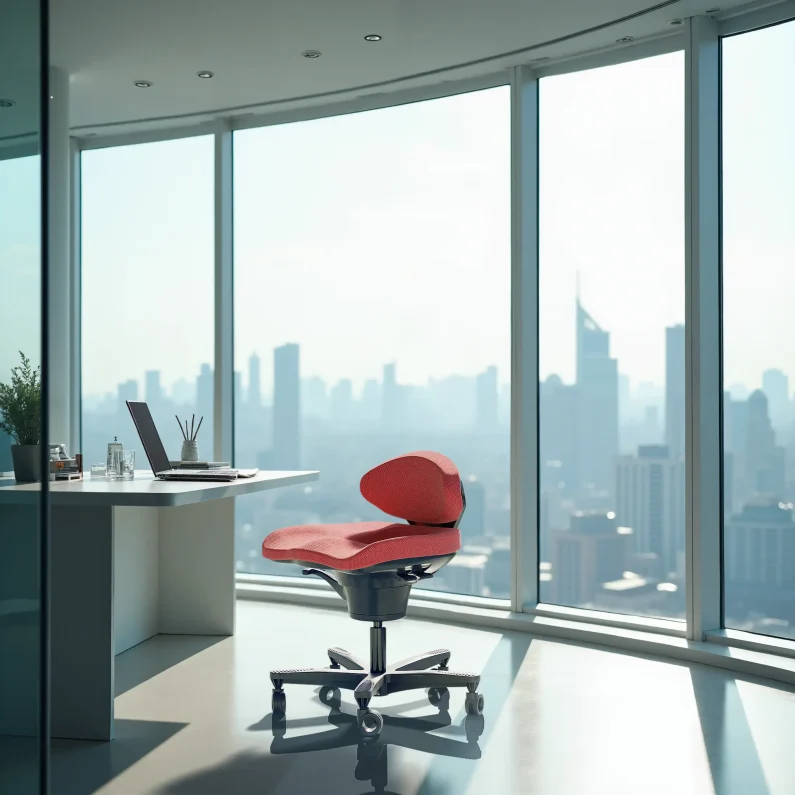
Increased Pressure on the Sacrum
Extended periods of static sitting exert constant pressure on the sacrum, particularly when the chair or surface lacks adequate support or cushioning. This compression in this region can result in pain in the sacrum when sitting, especially for people who slouch or maintain a non-ergonomic posture.
Poor Posture
Prolonged static sitting frequently results in slouching, leaning forward, or collapsing the lower back. These postural problems misalign the spine and put excessive strain on the sacrum. In cases of the lost natural curve of the lower back, additional pressure is transferred to the sacrum region. This causes discomfort and pain in the sacrum when sitting.
Flexion of the Lower Back
Extended periods of sitting with a hunched or forward-leaning posture result in the flexion of the lower back. This increases pressure on the sacral area, leading to pain in the sacrum when sitting over time. Additionally, this flexion diminishes spinal support for the lower back, exacerbating discomfort.
Reduced Blood Flow
Prolonged sitting without movement can restrict blood circulation to the lower back and sacral area. This effect causes stiffness and unpleasant sensations in the muscles and tissues around the sacrum. This limited blood flow can also result in numbness or tingling feelings in the lower back and buttocks. This intensifies sacrum pain while sitting.
Static Load on Muscles
A constant load on the muscles in the lower back is promoted by remaining in a single position for long periods. These muscles can become fatigued and tight. This can cause imbalances and increase strain on the sacrum. Because they weaken further from prolonged static pressure, their ability to support this area diminishes significantly. This results in unpleasant sensations and pain in the sacrum when sitting.
Weak Core Muscles
Extended periods of static sitting cause the core muscles to weaken. This muscle weakness can result in poor posture. The body loses the opportunity to maintain proper spinal alignment. So, this increases pressure on the sacrum. Over time, this added strain can lead to chronic pain in the sacrum when sitting for long durations without movement or adequate support.
Disc Compression
The compression of the intervertebral discs in the lumbar spine can appear because of extended periods of sitting with poor posture. Extra pressure on the nerves in the lower back and sacral region arises. This results in pain in the sacrum while sitting. In some instances, prolonged disc compression can also lead to herniated discs and exacerbate sacral pain even further.
Sedentary Behavior
A sedentary behavior without consistent physical activity weakens the muscles around the lower back and sacral region. Inactivity causes these muscles to become deconditioned. So, the body cannot maintain proper posture and spinal alignment. Over time, this lack of movement contributes to the sacrum pain when sitting for a long time.
Addressing Sacrum Pain While Sitting
Extended periods of sitting in one position can profoundly affect the sacrum, resulting in pain and discomfort. Contributing factors include poor posture, static muscle load, weakened core strength, and decreased mobility over time. To ease or avert this discomfort, it’s crucial to integrate movement throughout your day, use ergonomic seating such as a CoreChair for support, and maintain proper posture. These strategies are vital for keeping the sacral region healthy and free from sacrum pain when sitting.
How CoreChair Alleviates Sacral Pain
This chair enhances posture, promotes movement, and alleviates pressure on the lower spine and sacrum. Its innovative design offers a comfortable, supportive seating experience. It actively prevents and relieves sacrum pain when sitting.
Active Sitting Mechanism for Continuous Movement
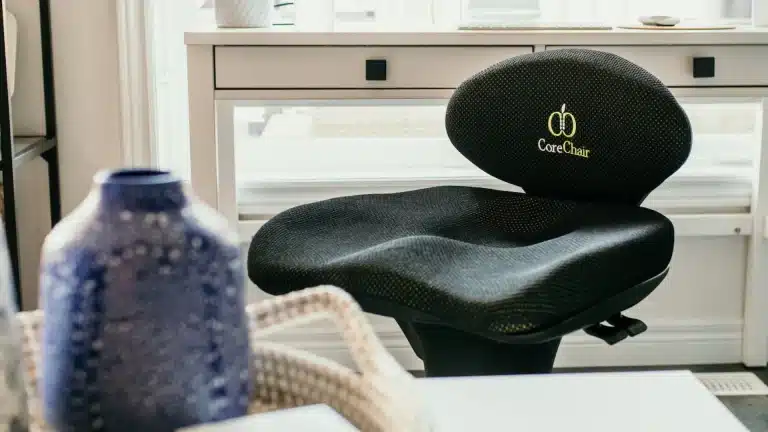
A notable feature of the CoreChair is presented by its active sitting mechanism with the permission of up to 14 degrees of movement in all directions through the hips. Traditional chairs hold you in a fixed position. The CoreChair promotes subtle, natural movements throughout your day. These gentle motions engage muscles around your core and lower back. This helps to lessen pressure on the sacrum and improve blood flow to the lumbar spine and pelvic area. The use of this chair can prevent stiffness and unpleasant feelings typically associated with extended periods of sitting.
The continual micro-movements encourage a healthier seated posture. This feature aids in achieving the relief of the pain in the sacrum when sitting.
Optimal Lower Back and Pelvic Support
Sacral pain frequently arises from insufficient support in the lumbar and pelvic areas. The CoreChair addresses this issue with its patented pelvic support system, which specifically targets the lower back and pelvis to keep the sacrum correctly aligned with the spine. By delivering optimal support to these crucial regions, this chair lessens strain on the sacrum, offering a more comfortable sitting experience.
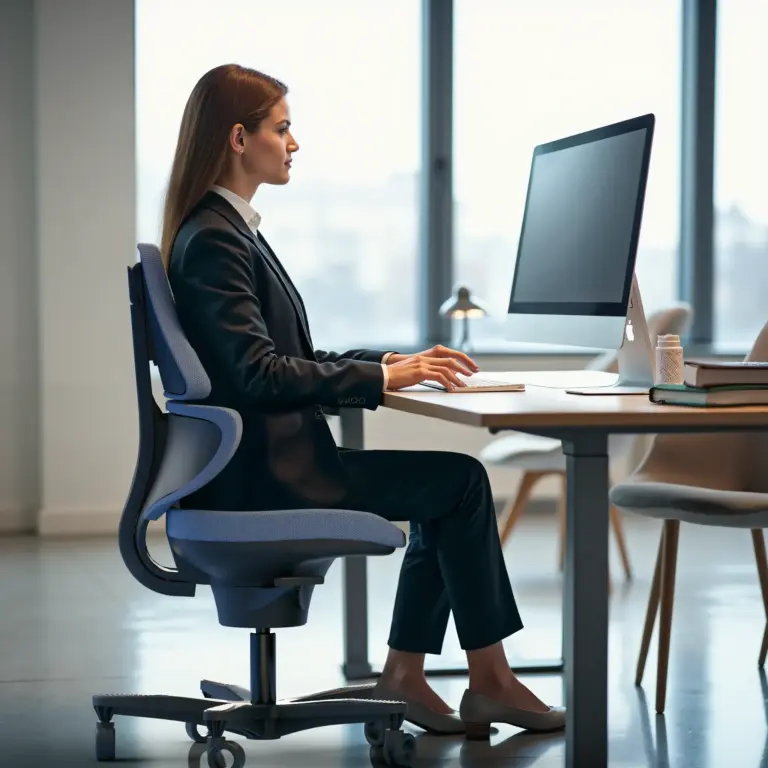
This lumbar and pelvic support helps prevent the spine from slumping into a curved posture. So, the CoreChair design can neutralize the cause of the sacrum pain when sitting. It facilitates an upright sitting position because this chair evenly distributes pressure along the spine and alleviates stress on the sacral region.
Customizable Fit for Individual Comfort
Every person’s body is unique, and the causes of sacral pain can differ. The CoreChair includes customizable features that let users adjust it to their particular requirements. You can modify the seat height, pelvic support, and range of movement for a personalized fit. This allows you to support the sacrum and reduce discomfort effectively.
Offering customization options by the CoreChair enables every user to maintain a healthy and pain-free posture all day long for different body types or sitting habits.
Reduction of Pressure Points
Traditional office chairs typically cause pressure points in the lower back and sacrum because of their stiff, flat seats. In contrast, the CoreChair features a cushioned, contoured seat that evenly distributes weight across the pelvic area. This design minimizes direct pressure on the sacrum, helping to prevent discomfort and pain in the sacrum while sitting for long periods.
Encouragement of Core Strength and Stability
The CoreChair’s active sitting technology encourages users to engage their core muscles for balance. This engagement strengthens the core, providing essential muscular support for proper posture and alleviating strain on the sacrum. With improved core stability over time, future instances of sacrum pain when sitting can be prevented, making the CoreChair a valuable investment in long-term spinal health.
The Long-Term Benefits of Using CoreChair for Sacral Pain

Integrating the CoreChair into your daily routine can yield considerable long-term benefits for comfort and overall health. The chair promotes proper spinal alignment, eases the strain on the sacrum, and helps avoid poor posture habits. Reducing pressure on the sacrum and encouraging movement by the CoreChair aids in preventing chronic back pain and other musculoskeletal problems.
The active sitting mechanism promotes continuous movement, aids in maintaining flexibility in the lower back and pelvic areas and alleviates stiffness and unpleasant sensations. A comfortable, supportive chair minimizes pain-related distractions. These features advance users’ concentration on their tasks.
A Pain-Free Sitting Experience with CoreChair
Sacrum pain when sitting presents a frequent concern for people. However, it doesn’t have to be an ongoing issue. The CoreChair provides an effective remedy because it targets the primary causes of sacral discomfort: poor posture, limited movement, and insufficient support. Its active sitting technology, adjustable fit, and ergonomic design help relieve the pain in the sacrum when sitting and foster long-term spinal health.