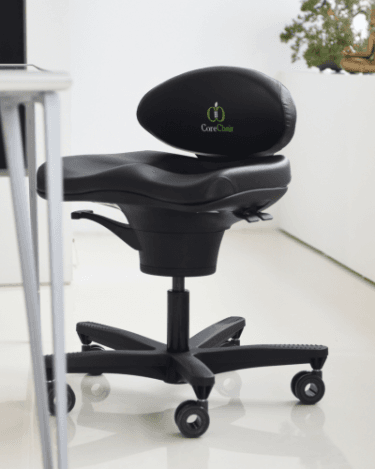
Many people spend extended periods sitting at work or during leisure activities. Such sedentary behavior often causes pain in different regions of the back. There are numerous seating options on the market. However, there is ongoing debate about whether firm, hard chairs or advanced ergonomic solutions like the CoreChair offer better relief and comfort for back pain sufferers.
Let’s examine both the benefits and drawbacks of using a hard chair for back pain alleviation. Discovering the properties of CoreChair will allow you to opt for a more balanced and long-term ergonomic solution.
Can You Use a Hard Chair for Back Pain?
Hard chairs are often favored for their simplicity and structure. They attempt to offer certain benefits for back support in the short term.
Firm Support for the Spine?
A hard chair for back pain alleviation suggests a firm, structured support for the spine, in hopes to encourage people to avoid slouching and maintain an upright posture. Their theory is that a soft or cushioned seat can promote poor posture as it allows the body to sink in. Therefore, suggesting that a hard chair encourages better spinal alignment. For those with mild back pain often caused by poor posture, a hard chair for back pain may provide temporary relief, however it may not be very long-lasting.
Encourages Active Sitting?
The designers of such chairs suggest that the lack of padding of hard chairs often compels people to change positions more frequently. Thereby, encouraging more advantageous active sitting because remaining in a single position for extended periods can cause muscle fatigue, stiffness, and back pain. The unpleasant feeling due to hard surfaces typically motivates people to stand up, move around, or adjust their seating posture. Theoretically, helping to relieve prolonged pressure on the spine.
Prevents Over-Sinking?
Compared to soft or cushioned chairs, hard chairs technically prevent people from “sinking” into their seats. They don’t compromise spinal alignment. This feature of firm seating suggests that it will help maintain a neutral spine, potentially reducing back pain from poor posture or prolonged slouching.
Limitations of Hard Chairs for Back Pain Relief
Although hard chairs suggest certain advantages, like encouraging better posture and offering firm support, they present several drawbacks in terms of alleviating back pain, particularly during prolonged use.
Lack of Cushioning
A hard chair for back pain typically lacks sufficient padding. Many people find it uncomfortable for extended periods of sitting. They tend to cause pressure on the lower back, buttocks, and thighs. This can heighten unpleasant sensations for everyone. Also, this property can become troublesome for people with pre-existing back pain conditions. It exacerbates their issues over time.
Limited Lumbar Support
A hard chair for back pain lacks ergonomic lumbar support. So, the natural curve of the lower back cannot be prevented. The absence of this support often causes people to slouch or lean forward. The strain on the lumbar spine is increased. So, poor posture can worsen existing back pain and cause muscle strain.
Inconvenience for Prolonged Sitting
A hard chair for back pain might promote better posture during short periods of sitting. However, it is more likely, that it will cause its user to deepen their slump in search of a comfortable position. The prolonged pressure on the lower back causes fatigue and unpleasant feelings, driving the user to continue to slump in an attempt to stretch the lumbar muscles for relief. This over stretch of the lumbar area causes the muscles to become tired. So, people need to shift their position or adopt unhealthy postures to compensate. This raises the risk of developing pain in the back or exacerbating pre-existing back pain or injuries.
No Pressure Distribution
Rigid chairs inadequately disperse weight across the seat, resulting in excessive pressure on the sacral region and spine. This improper distribution can lead to prolonged compression of spinal tissues when sitting for extended periods. So, these chairs cause discomfort and can lead to long-term damage to the spinal structures.
Poor Fit for All Body Types
Hard chair for back pain is often designed with a one-size-fits-all methodology. So, it is less adaptable to varying body shapes and sizes. Without the option for customization, some people can experience unfavorable sensations from an improper fit. This can result in poor posture or uneven weight distribution. Both can foster back pain.
A hard chair for back pain alleviation maypromote better posture and offer firm support. However, their absence of ergonomic features, cushioning, and lumbar support renders them inadequate for long-term back pain relief. Extended use can result in pressure points, poor circulation, and heightened discomfort in the lower back. For people seeking effective relief from back pain, CoreChair ergonomic seating options can provide dynamic sitting experiences along with proper spinal support. This chair presents a more balanced and sustainable solution.
The CoreChair Solution: A Modern, Ergonomic Approach to Seating
Although a hard chair for back pain has some benefits, the CoreChair offers a more comprehensive and long-term solution to back pain through its innovative design that emphasizes dynamic sitting and spinal alignment.

Active Sitting Technology
The CoreChair is crafted to encourage active sitting, a concept that involves subtle yet continuous movements while seated. Its innovative mechanism allows the seat to adjust with your body, utilize core muscles, and facilitate frequent changes in position throughout the day. This dynamic approach helps alleviate muscle fatigue and supports better posture. This property makes it an excellent option for people with back pain from prolonged periods of sitting.
Customized Lumbar Support
A notable feature of the CoreChair is presented by its customizable lumbar support. It is designed to uphold the spine’s natural curve in the lower back. Compared with rigid chairs with the lack of adequate lumbar assistance, this chair focuses on ensuring ideal spinal alignment because it discourages slouching and alleviates lower back strain.
Pressure Relief and Comfort
A hard chair for back pain puts pressure on the sacrum, tailbone, and buttocks. The CoreChair features high-density foam cushioning with sculpted contours for extra support and pressure alleviation. Its ergonomic seat design evenly distributes weight. It helps to achieve comfort even during long periods of sitting.
Engaging Core Muscles
The CoreChair’s active sitting feature promotes gentle movements. These micro-movements activate core muscles and help to strengthen the muscle groups for support of the spine. Advancing core strength with this chair decreases the chances of back pain because stronger core muscles can more effectively maintain proper posture and spinal alignment all day long.
Improvement of Blood Circulation
Sitting for extended periods on hard surfaces can restrict circulation. This results in stiffness and unpleasant sensations. The CoreChair’s dynamic movement and supportive cushioning foster improved blood flow to the lower back and legs. This minimizes the risk of numbness and stiffness from prolonged sitting.
A Balanced Approach: What is the Right Chair for Back Pain Relief
A hard chair for back pain alleviation can offer temporary support and help with posture correction. However, they fall short of providing long-term comfort or alleviating back pain due to their lack of ergonomic design. In contrast, the CoreChair presents a comprehensive solution. It sustains proper posture by promoting movement, strengthening core muscles, and ensuring all-day comfort.
Let’s discover a well-rounded strategy for ergonomic seating.
Start with Proper Posture
No matter which chair you use. However, maintaining proper posture helps to achieve back pain relief. Your feet must be on the floor, your back needs to be aligned with the chair, and your shoulders must remain relaxed when seated. In case of using a hard chair for back pain, you are advised to focus on good posture. This can help prevent slouching and reduce pressure on your lower back.
Use Movement
Standing up, stretching, or taking short walks can prevent stiffness and lower back pain. The CoreChair’s active sitting feature promotes natural movement. It allows users to stay active without constantly having to leave their desks.
Consider Ergonomics for Long-Term Comfort
A hard chair for back pain can offer temporary relief. However, opting for an ergonomic CoreChair presents a more permanent solution to back pain. Featuring adjustable lumbar support, pressure-relieving design, and active sitting technology helps to use the CoreChair benefits of dynamic seating with unwavering comfort and proper spinal alignment.
CoreChair for Sustainable Back Pain Relief
For back pain relief, hard chairs may offer immediate posture improvements but lack long-term comfort and support. The CoreChair delivers a balanced ergonomic design. It encourages active sitting, maintains correct spinal pose, and lessens lower back pressure. The CoreChair combines comfort with movement and support seamlessly. This makes it an excellent choice for contemporary work environments.
Our Partners