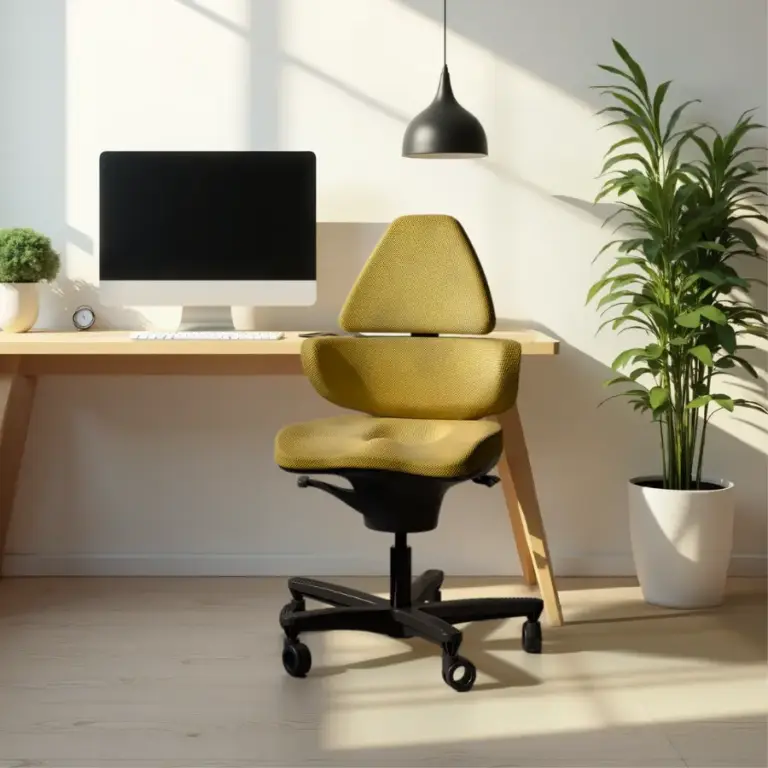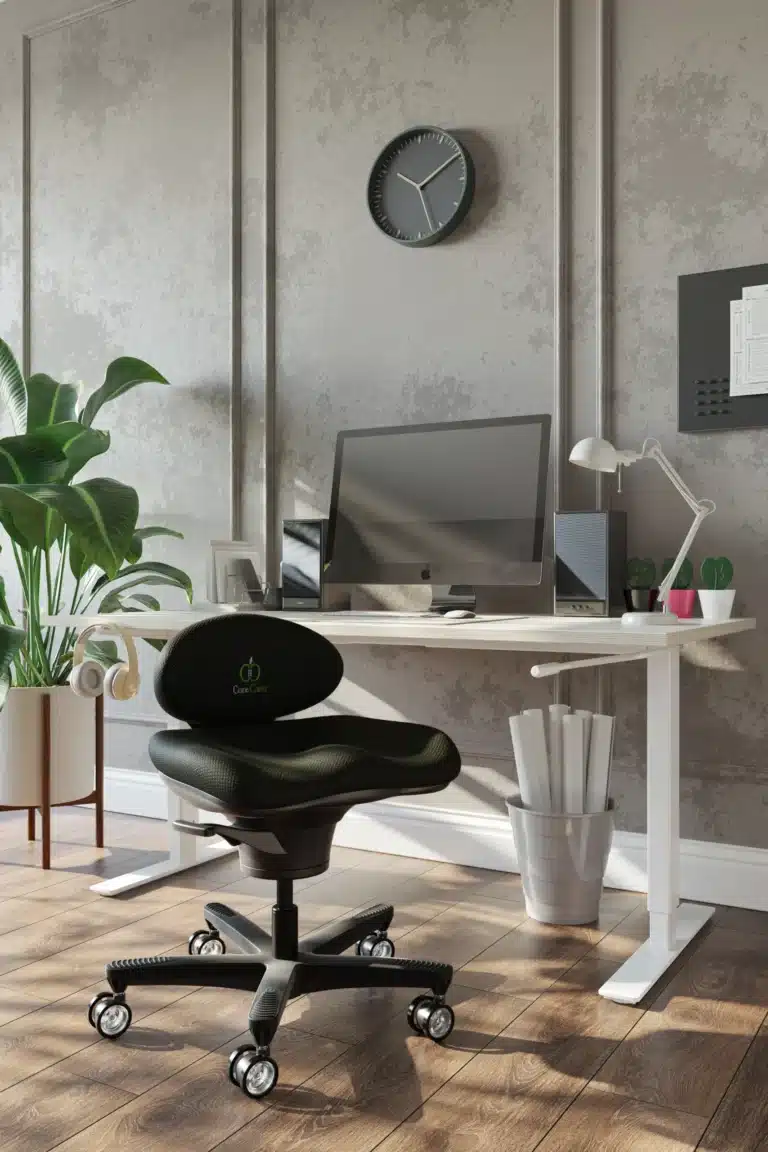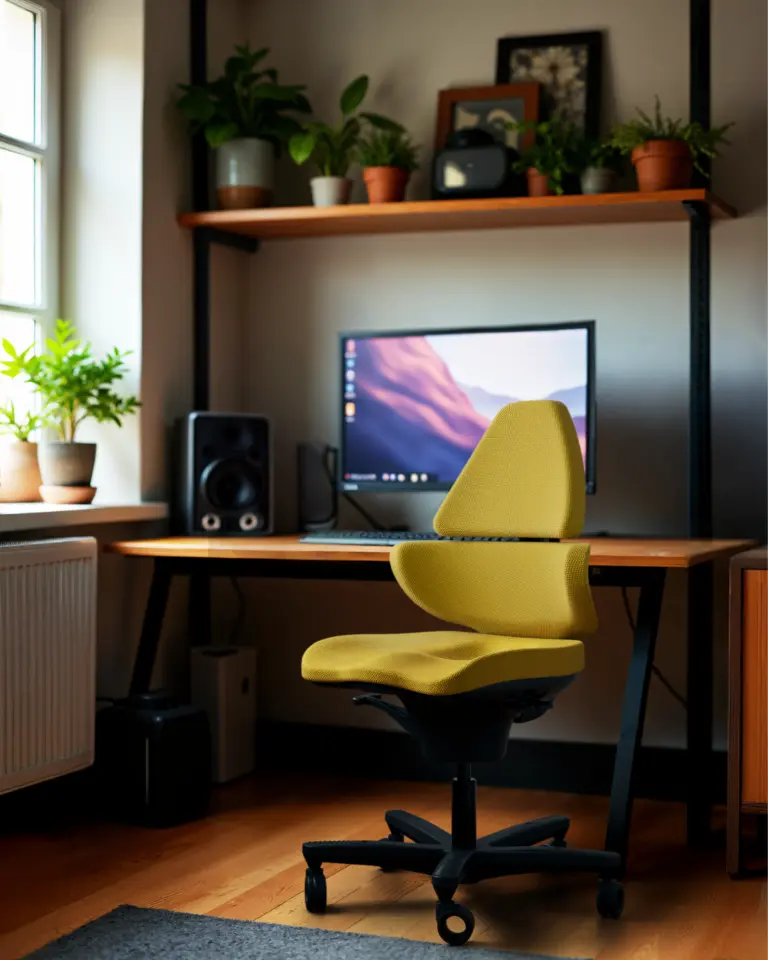
The link between posture and overall health is frequently overlooked, especially regarding headaches. Many people experience chronic or tension headaches. And poor posture could be the underlying cause. In today’s digital era, individuals often spend long hours seated at desks or bent over their smartphones. So, poor posture is becoming more common. This can lead to various physical issues. Recurring headaches often appear. Luckily, the design of CoreChair promotes better posture and active sitting. This innovative solution offers valuable assistance in tackling this problem.
Let’s examine the connection between bad posture and headaches and how the CoreChair can help reduce these symptoms.
Bad Posture and Headaches – Exploring the Link
Leading to muscle strain, joint misalignment, and impaired circulation with poor posture when sitting can significantly affect the body. These issues directly contribute to the development of headaches.
Strain in Neck and Shoulders
Can bad posture cause neck pain and headaches? Let’s seek the answer. The muscles of the neck and shoulders are overstrained from maintaining a slouched posture, leaning forward, or tilting your head for extended periods at a desk. This results in tight and fatigued muscles. This effect leads to tension headaches. The trapezius and suboccipital muscles along the back of the neck are prone to this kind of stress. Tension within these areas can cause pain around the head. Continuous headaches can occur.
Posture with Forward Head
This posture is commonly known as “text neck”. It often arises from poor posture habits. Too far forward the head exerts extra pressure on the muscles of the beck and vertebrae. This misalignment can compress nerves and blood vessels in the area of the neck. This posture can lead to cervicogenic headaches. They start in the cervical spine and extend to the head.
Poor Circulation of the Blood
Slouching or sitting with a collapsed posture can restrict blood flow to your brain and upper body. This compromised circulation might prevent the brain from getting enough oxygen and useful substances. Headaches and general fatigue appear. Furthermore, improper circulation can result in tension and stiffness of the muscles. This can intensify headache symptoms.
Spinal Misalignment
Spinal misalignment in some regions occurs from poor posture. Improper alignment of the spine causes the muscles and ligaments to compensate for extra pressure. Tension, unpleasant sensations, and headaches are manifested. This misalignment can also compress nerves. So, bad posture fosters headaches.
Can Bad Posture Cause Headaches and Dizziness? – Exploring the Issue

Poor posture is often connected with different physical issues. Back and neck pain occur. However, it can also trigger more subtle symptoms. It causes headaches and dizziness. Diagnosing these problems can be difficult. The link between headaches and posture isn’t always clear. However, there is increasing evidence of this fact. Poor posture can facilitate both headaches and dizziness. This has become actual in our technology-driven world because people often spend extended periods sitting or looking down at screens.
Some posture issues are especially likely to lead to headaches and dizziness.
Neck
This often occurs in people who spend extended periods staring at their phones or computers. Their heads protrude forward. This posture places considerable stress on the neck muscles and spine. Headaches and dizziness are often reported by them.
Slouching Shoulders
A hunched upper back and slumped shoulders can create muscle imbalances and tension. This posture leads to pain, headaches, and impaired blood circulation.
Prolonged Sitting
In cases of sitting for extended periods in an unsupported or improper posture, the pelvis tilts backward. This can lead to spinal misalignment, tension in muscles, and lowered blood flow to the brain. All these effects can result in other effects of poor posture and headaches.
Muscles, nerves, and blood vessels are exerted from excessive pressure during extended periods of poor alignment. This strain may lead to tension headaches, nerve compression, and compromised circulation. Also, misalignment in the neck and spine can disturb balance and result in dizziness.
Luckily, some options can help you to counter poor posture and headaches. Advancing ergonomics, taking frequent breaks, and using posture-supporting devices can ease these symptoms. Encouraging better posture and lessening body strain can greatly decrease the frequency of headaches and dizziness from poor posture. These options can improve general health and well-being.
The CoreChair Solution: Promoting Active Sitting and Posture Correction
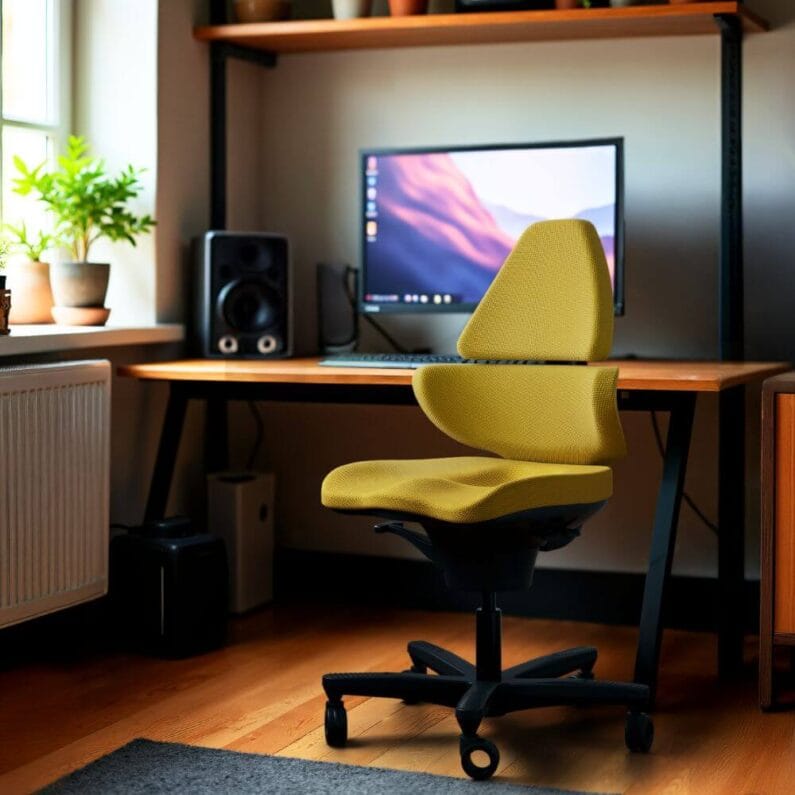
The CoreChair presents a cutting-edge ergonomic chair. It is crafted to tackle problems of poor posture and sedentary behavior. Promoting active sitting with this chair assists users in maintaining correct posture and relieving physical strain. All this helps to alleviate headaches.
Dynamic Sitting for Better Alignment
Unlike conventional office chairs that promote a fixed seated posture, the CoreChair encourages dynamic sitting by facilitating small, controlled movements in every direction. This mobility keeps your core muscles active. It helps prevent the rigid and static position typically responsible for strain in the neck, shoulders, and back. By advancing posture and engaging your core more effectively, it lowers pressure on the neck and head. So, the usage of this chair reduces the risk of tension headaches.
Optimal Support of the Pelvic
The CoreChair is crafted with a focus on pelvic support. Its distinctive design promotes proper pelvis alignment. It helps to achieve the groundwork for optimal posture. Correct position of the pelvis allows the spine, shoulders, and head to naturally align. It minimizes forward head posture and tension of the neck. This harmonious alignment aids in preventing muscle strain and spinal misalignment. So, the usage of this chair helps to avoid the reasons of bad effects of poor posture and headaches.
Improved Circulation
By encouraging movement and shifting throughout the day the CoreChair’s active sitting mechanism enhances circulation of the blood. This increased blood flow delivers more oxygen and useful substances to the brain. So, this effect potentially reduces headaches related to poor circulation and boosts general energy levels.
Reduction of Tension in Muscles
The CoreChair’s design ensures an even distribution of body weight. It alleviates pressure points and tension of muscles in critical areas of the body. Maintaining a natural upright posture for your body helps prevent muscular fatigue and tightness. So, it prevents the appearance of tension headaches.
Customizable Support for Individual Needs
The CoreChair offers a high degree of adjustability, enabling users to tailor the seat height, tilt, and movement resistance according to their personal preferences. This customization ensures that everyone can achieve an ideal sitting position for their body type, which enhances posture and minimizes the risk of headaches associated with misalignment and muscle tension.
How to Maximize Benefits of the CoreChair for Headache Prevention
To maximize the benefits of the CoreChair in preventing headaches, keep these tips in mind:
CoreChair– your simple solution to back pain.
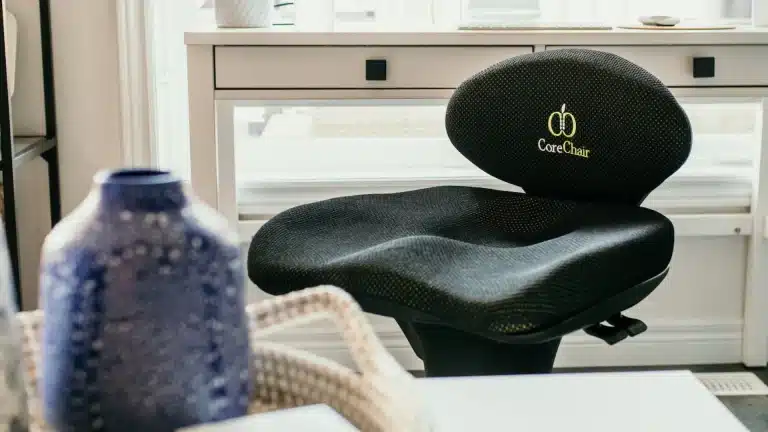
Similar to an orthotic device that is designed to embrace and support various boney structures and joints within our bodies, CoreChair optimizes pelvic support with a complimentary sculpted seat and pelvic support cushion. In harmony, these cushions embrace your pelvis to encourage an upright neutral pelvic orientation. Like building a house, we need to start with a good foundation.
The outcome is a stable base that allows balance in our spine as well as the ability of our spine to work as designed with ease of natural movement through flexion, extension and rotation.
A healthy spine also requires a diversity of movement which involves stimulating blood flow, mobilizing the joints, strengthening core muscles and hydrating the vertebral discs. Often when we experience back pain our tendency is to rest up and stop strenuous activity. While this may be recommended in the short term, long term it may not be helpful. Movement and specific back exercises are needed to help alleviate and remedy back pain. Moving on a CoreChair provides an excellent opportunity to gradually work the back and core in a controlled manner to help avoid stiffness, strengthen and alleviate pain.
A study completed by Memorial University concluded that participants sitting in the CoreChair adopted a more upright posture, experienced less back pain and stiffness and had enhanced blood flow when compared to sitting in a traditional office chair.

Reduced Back Pain
Pelvic support provides the foundation for a balanced healthy spine to prevent slumping, optimize posture, and reduce back pain and discomfort.

Core Strength
Movement is the key to maintaining core strength and more movement will definitely build strength. One absolute is that if you don’t use it you will lose it.
Extraordinary comfort meets incredible pelvic support.
Proper distribution of our weight when sitting is a critical factor in chair selection as it translates into seating comfort. Poorly designed chairs can result in uncomfortable pressure points and restriction of circulation. The seat of the CoreChair is aggressively sculpted to embrace your sit bones and provide even weight distribution allowing your circulation to flow freely, so you can focus on your work, not your discomfort.
Graduate students from Cornell University (with guidance from Dr. Alan Hedge), investigated sitting pressure on CoreChair compared to a high-end ergonomic office chair and discovered that CoreChair has more evenly dispersed weight thereby significantly lowering pressure points. This means significantly better comfort for you.

Sculpted Seat
Sculpted seat harmonizes with pelvic stabilizer to relieve pressure points, prevents sliding, and provide added comfort.

Pelvic Support
Our seat cushion works in conjunction with the pelvic support to stabilize the pelvis, optimize sitting posture, and reduce back pain.
Boosting brain power through movement.
Being physically active not only helps us avoid negative outcomes such as chronic disease and obesity, but also helps to boost our brainpower! Cognition, how we understand and interact in the world, related to the brain-based skills needed to learn, remember and solve problems. Physical activity, whether exercise in the gym or incidental movement on your CoreChair, aids our cognitive power by stimulating blood flow to the brain, delivering oxygen and glucose to make us better able to work on tasks both simplistic and complex. Introduce movement into your workday and experience the benefits of improved focus, increased productivity, and more brainpower!
Dr. Leah Bent conducted a four-hour investigation at the University of Guelph and discovered there was a significant reduction in calf circumference indicative of improved lower extremity blood flow and a significant reduction of errors commissioned utilizing SART (Sustained Attention to Response Task) suggesting enhanced cognitive function with blood flow.

Blood Flow
Movement stimulates your lymphatic system and blood flow to keep your vital systems working well.

Brain Power
Increased blood flow to the brain keeps you alert and creative, making you happier and more productive in the workplace.
IMPROVING YOUR HEALTH ONE MOVE AT A TIME.
There’s a distinct difference between exercise and physical activity. Exercise is a subcategory of physical activity and is planned, structured, repetitive and purposeful with a fitness objective. Physical activity includes exercise in addition to other activities that involve movement including pacing, household chores and other recreational activities.
CoreChair is proud to be NEAT™ Certified (NEAT™ stands for the science of Non Exercise Activity Thermogenesis, developed by Mayo Clinic). We now know that activity, all activity, is good for our health.

Increased Caloric Burn
Movement burns calories and helps manage our weight and mood, which bolsters our energy! CoreChair users can expect an increased metabolic demand of 20%!

Increased Circulation
Swollen ankles? Movement stimulates your circulation. Not just to make your heart pump but also assists your vascular return.
– By frequently changing your position and activating your core muscles throughout the day you can make the most of CoreChair’s dynamic sitting feature;
– To avoid leaning forward and straining your neck you need to position your computer monitor at eye level. This setup will minimize discomfort in the neck area and help prevent cervicogenic headaches.
– You are recommended to pay attention to your posture when seated. You can utilize the CoreChair’s pelvic support. It helps to keep an upright position. You need to control the position of your head at the level of your shoulders.
– You are advised to use the CoreChair. However, even in the case of the use of this chair, you need to take regular breaks from sitting. Stand up, stretch your body, and walk around to allow your muscles and joints some relaxation time.
The link between bad posture and headaches has become evident. Misalignment and muscle tension can cause stress, limit blood flow, and compress nerves. All these effects often result in headaches and posture effects. By promoting active sitting and supporting correct posture the CoreChair addresses these issues. Its unique design alleviates physical strain on the body, enhances circulation, and maintains proper alignment—making it an excellent choice for preventing headaches while boosting overall well-being. For individuals experiencing posture-related headaches, the CoreChair provides a pathway to relief along with lasting health benefits.