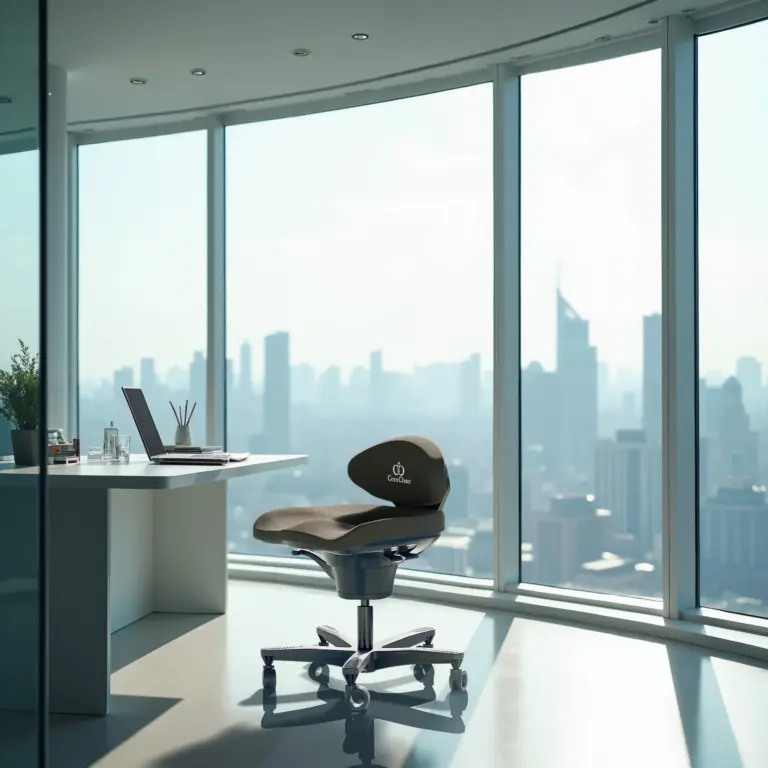
What is the best chair for low back pain?
The best chair for low back pain should do more than add lumbar padding. It should help support the pelvis, reduce pressure points, and encourage gentle movement through the workday.
The short answer: choose a chair that starts with the pelvis
A common mechanical pattern in sitting-related low back discomfort is posterior pelvic tilt: the pelvis rolls backward, the lumbar spine flattens, and the upper body compensates. CoreChair is designed to address that foundation by combining a sculpted seat, pelvic support, and active movement.
What to look for in a chair for low back pain
1. Supports the pelvis first
Low back comfort often starts below the lumbar spine. A chair should help the pelvis stay in a more neutral position instead of letting it roll backward into a slumped posture.
2. Reduces pressure points
A sculpted seat compliments the role of the low back or pelvic stabilizer by introducing opposing forces around this boney structure much like an orthotic device, holding the pelvis in an upright neutral position while distributing weight more evenly over the sit bones, helping reduce localized pressure that can lead to discomfort and shifting.
3. Allows frequent movement
The best sitting position is usually the next one. Gentle movement helps joints, discs, circulation, and stabilizing muscles avoid the strain of long static sitting.
4. Encourages core activity
A chair for low back pain should not simply immobilize the body. Controlled active sitting can encourage small stabilizing muscles to keep participating through the workday while delivering nutrient rich and freshly oxygenated blood to an area that may already be in jeopardy.
Why CoreChair is different
Many ergonomic chairs try to solve low back pain by adding more overall support. Often this excessive support is counterproductive and the use or need for core stabilizing muscle activity is diminished to the point that these key muscle groups can actually weaken and become more compromised. CoreChair takes a different approach: support the pelvis first, then allow controlled movement beneath the user’s center of balance. That movement can help stimulate circulation, joint mobility, core stabilizing muscles, and comfort during long sitting periods.
Research signals
CoreChair’s back-pain story is supported by research themes from the current CoreChair website:
- Cornell University: investigated pressure distribution on CoreChair compared with high-end ergonomic office chairs.
- University of Waterloo: compared CoreChair posture and core stabilizing muscle recruitment with other seating options.
- Mayo Clinic/Arizona State: CoreChair is NEAT Certified, with public CoreChair materials citing increased energy expenditure through incidental movement.
- Memorial University: public CoreChair materials report more upright posture, less back stiffness, less physical tiredness, and enhanced blood-flow findings compared with a traditional office chair.
This page summarizes public CoreChair website claims and research references. It should not be read as medical advice or a guarantee of individual results.
Of greater significance is the feedback from CoreChair users who in many cases selected the CoreChair during a period when they suffered from back pain and had exhausted all other commercial options. In some cases, health care professionals in large corporations sought out CoreChair successfully when their standardized chair models and normally recommended alternative options were not working. The question from this is, “if CoreChair is so effective for persons with existing back challenges, why don’t more people seek it out as a preventative solution for back pain and even the general health benefits that movement provides?”
Classic vs Elite: which CoreChair is best for low back pain?
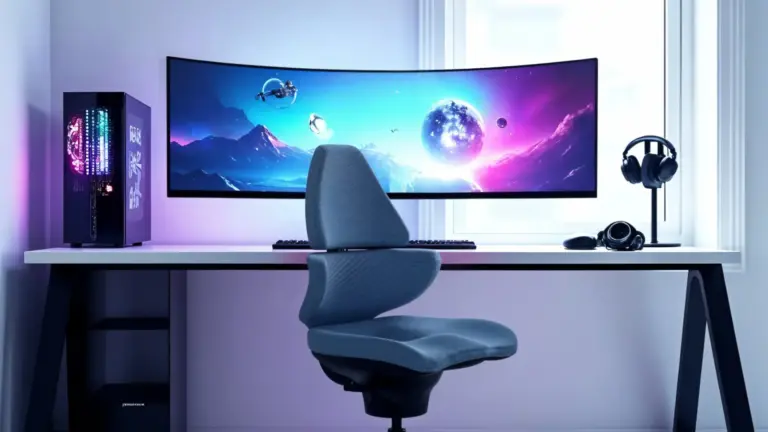
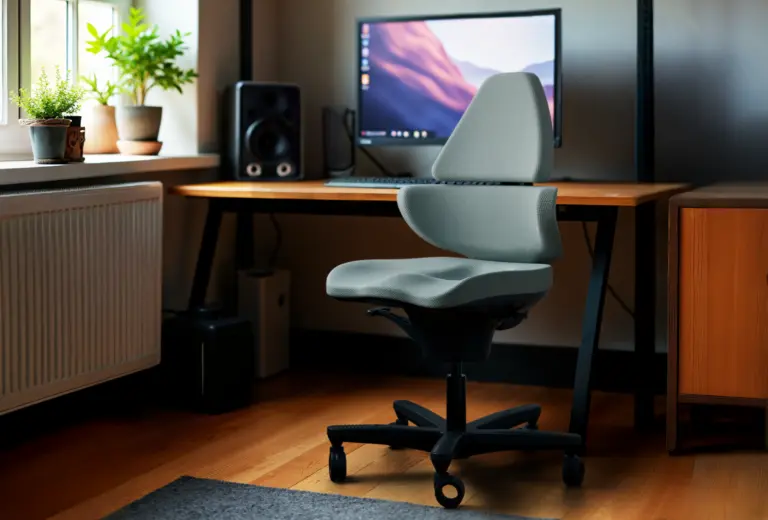
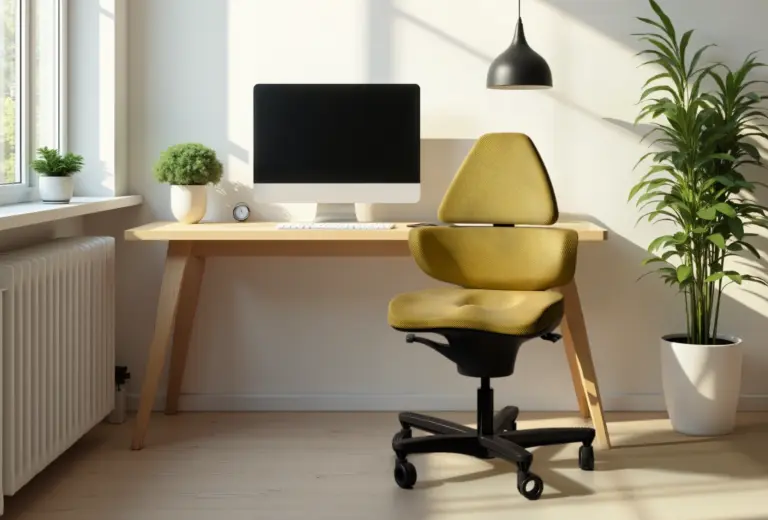
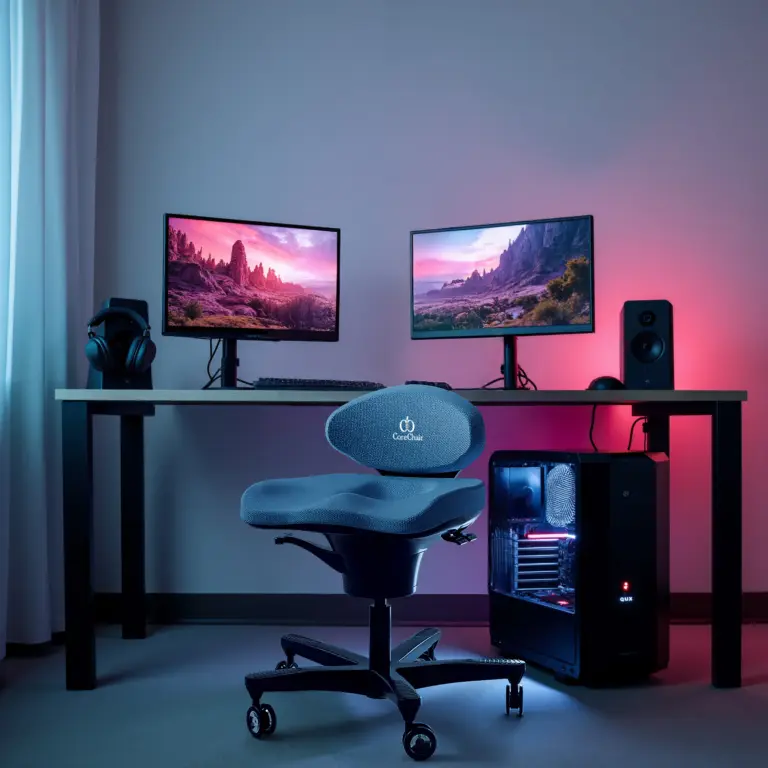
Both Classic and Elite use the same CoreChair foundation: sculpted active seat, pelvic support, and controlled movement. Classic is the original active-sitting experience. Elite adds a taller, dynamic upper-back support for people who want a more traditional chair silhouette and an additional reclined support position. This “Clever” spine that integrates the upper support allows for flexion, extension and lateral rotation. Allowing support while encouraging natural body mechanics.
FAQ
What type of chair is best for low back pain from sitting?
Look for a chair that supports pelvic positioning, distributes sitting pressure, and allows regular movement. For many people, low back discomfort is related to static sitting and posterior pelvic tilt, not simply a lack of lumbar padding.
Is lumbar support enough for low back pain?
Lumbar support can help some users, but CoreChair focuses lower: the pelvis. When the pelvis is better supported, the spine has a better foundation above it.
When the low back/pelvic stabilizer in the CoreChair is harmonized with the sculpted seat the pelvis is supported in an upright neutral position. In many cases in traditional chair designs, a lumbar support is introduced symptomatically to address lumbar flattening. In these instances if the seat is not sculpted, the lumbar support exerts force into the small boney structure of the vertebrae and if not checked the sit bones can still migrate forward on a flatter surface diminishing the intended solution.
Can CoreChair cure back pain?
No chair should be presented as a guaranteed cure. CoreChair is designed to support healthier sitting mechanics and movement, and may be helpful for common sitting-related discomfort patterns. This has been well vetted through the independent studies that have validated the benefits of the design. People with persistent or serious pain should seek appropriate therapeutic intervention


Patrick Harrison
BSc KINESIOLOGY
Founder of CoreChair, Patrick has spent over 40 years developing ergonomic and mobility solutions that help people sit, move, and work more comfortably.