Comparing ergonomics of the corechair to saddle stools
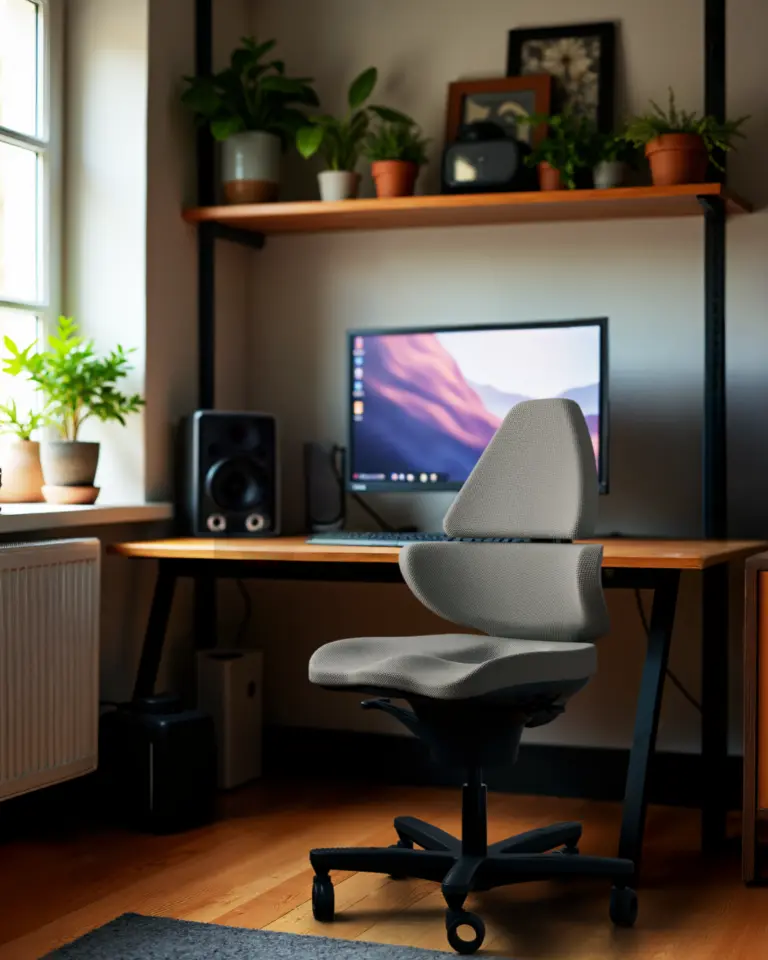
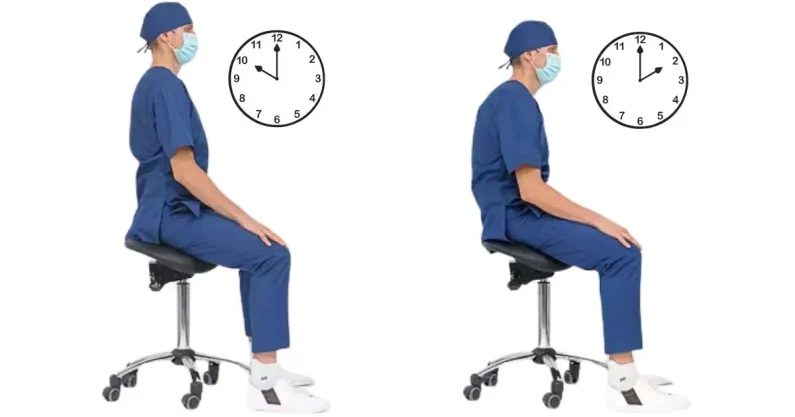
In the quest for better ergonomics and healthier sitting, two notable contenders have emerged: Saddle Stools and the Ergonomic Active Sitting CoreChair. Both of these innovative seating solutions are designed with the goal of enhancing posture and promoting movement during long hours of sitting, which is increasingly recognized as a crucial factor in maintaining overall health. Saddle Stools, characterized by their unique, horse saddle-like shape, and the CoreChair, characterized by its aggressively sculpted seat and pelvic stabilizer both encourage a more open hip angle and help to engage core muscles, which can lead to improved spinal alignment. The CoreChair, along with select models of saddle stools also offer the additional benefit of a dynamic sitting experience that actively promotes subtle movements, allowing the user to shift their weight and engage their body, thereby reducing the stiffness often associated with traditional office chairs. But which option ultimately comes out on top in the battle for optimal seating? To answer that question, let’s dive deeper into the design and functionality of each chair, examining their unique features, potential benefits, and how they cater to different needs in the industry of ergonomic seating.
SADDLE STOOLS: THE BENEFITS AND DRAWBACKS YOU SHOULD KNOW ABOUT
In recent years, various types of saddle stools have gained popularity in both home and office settings. These unique seating solutions offer some notable benefits that appeal to individuals seeking to enhance their sitting experience and overall health:
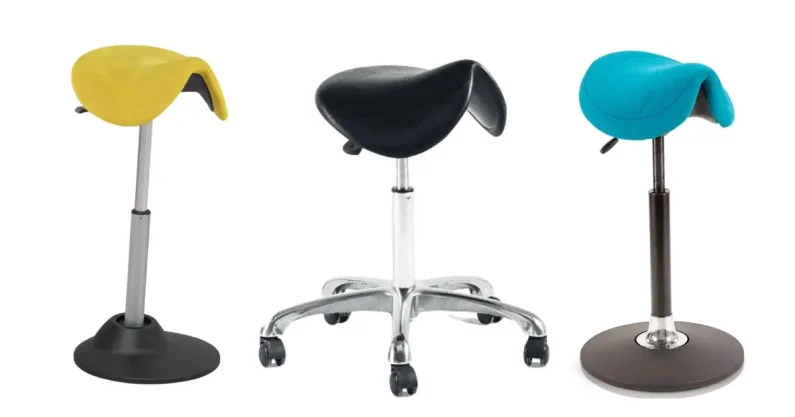
1. Promotes Movement: Few models of saddle stools are designed with a dynamic active feature, encouraging users to engage in movement throughout the day. With any opportunity for movement, one can see an increase in circulation and can reduce the risks associated with prolonged sedentary behavior. By allowing for slight shifts in position, users can activate different muscle groups, potentially enhancing energy levels and focus.
2. Open Hip Angle: One of the standout features of saddle stools is their ability to maintain a more open hip angle. The downward slope of the thighs facilitates a more natural spinal position compared to traditional chairs, which otherwise force the hips into a closed position. This open hip angle can lead to improved sitting posture, helping to alleviate strain on the lower back and promoting better alignment of the spine.
However, despite these benefits, most saddle stool designs are not without their drawbacks. Here are a few key considerations:
1. Balancing Act: Of the few saddle stools that offer dynamic movement, they often pivot from the base, which means that users must constantly engage their balancing muscles to remain stable. While this can strengthen core muscles over time, it can also lead to muscular fatigue, especially during long periods of sitting. The constant need to maintain balance often results in a tired posture and slumping which can contribute to increased back pain and, in some cases, even potential injury if the muscles continue to be overworked or strained.
2. Lack of Support and Adjustability: Another limitation of most saddle stools is that they offer minimal ergonomic support beyond the seat itself. While the design encourages a better hip angle, it often lacks features like pelvic and lumbar support or the ability to customize settings to account for different body shapes and sizes. This absence of additional support and adjustability can lead users to inadvertently slip into poor posture as their muscles begin to tire, counteracting the initial benefits of the stool.
3. Concerns with Sitting Comfort: Comfort can also be a significant issue with saddle stools. The firm seat design, while necessary for maintaining the stool’s shape and functionality, can create pressure points and discomfort, particularly under the tailbone. This discomfort can become pronounced during extended sitting sessions, leading some users to abandon the stool in favor of more traditional seating options that provide better cushioning.
CORECHAIR: A MORE HOLISTIC APPROACH TO BETTER POSTURE WHILE SITTING
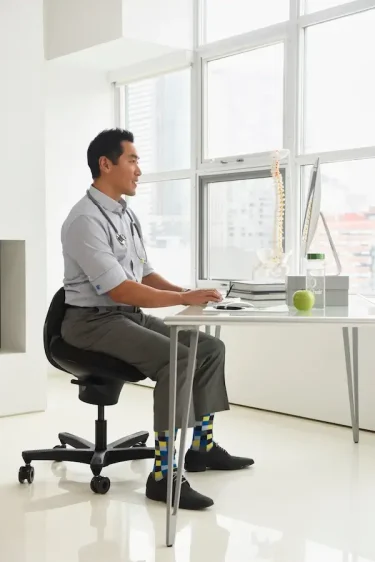
The CoreChair is gaining recognition for its innovative and unique approach to ergonomic sitting, setting it apart from traditional seating options, including saddle stools. Its comprehensive design effectively addresses many of the shortcomings commonly seen in various saddle stool models, providing users with a more supportive and engaging sitting experience.
Some of the most superior benefits of the CoreChair include:
1. Dynamic Movement Created by a Controlled Pivot Point: One of the most significant differences between the CoreChair and other dynamic seating options, such as saddle stools, lies in its pivot point design. The pivot point of the CoreChair is strategically positioned directly below the user within the seat pan rather than on the floor. This intuitive design prevents the muscles from tiring, which often leads to poor posture and the back pain that follows prolonged sitting. The controlled movement of the CoreChair encourages users to consciously engage their muscles as they navigate through its range of motion. Maintaining this control allows users to avoid the contradicting balancing act that results in overuse and exhaustion of muscles.
2. Pelvic and Spinal Support: Another key advantage of the CoreChair is its focus on pelvic and spinal support. Unlike the saddle design, which offers minimal support beyond the seat, the CoreChair includes a low-back pelvic stabilizer that effectively repositions the pelvis into an upright position. This adjustment stabilizes the spine in its natural ergonomic form, resulting in significantly improved posture that lasts throughout the day. By actively supporting the pelvic region, the CoreChair helps users maintain a healthy spinal alignment, reducing the likelihood of slouching and related discomfort.
3. Sitting Comfort for Longer Days: The seat cushion of the CoreChair is renowned for its scientific design, which prioritizes comfort during extended sitting periods. Its aggressive sculpting has been researched and proven to reduce pressure points, thereby improving overall sitting posture. This design results in a level of comfort that can last throughout long hours of use, allowing users to focus on their tasks rather than on discomfort. Interested in diving deeper into this topic? Check out the research completed by Cornell University HERE .

CORECHAIR VS. SADDLE STOOL: MAKING THE RIGHT CHOICE
When deciding between a saddle stool and the ergonomic, active sitting CoreChair, it’s essential to consider several factors that will influence your sitting experience:
1. Movement Quality When Seated: Both saddle stools and the CoreChair encourage movement; however, the CoreChair provides a more sustainable and less fatiguing form of dynamic sitting. Research conducted by the University of Waterloo illustrates this point, comparing the movement on the CoreChair to the movement experienced while sitting on a stability ball, which offers the a comparable pivot point location to the saddle stools. The study highlights how the CoreChair’s design promotes a healthier range of motion while minimizing muscle fatigue. For more insights, read the research HERE .
2. Ergonomic Postural Support: When it comes to postural support when sitting, the CoreChair excels in maintaining proper pelvic alignment. This superior support significantly reduces the risk of slouching, encouraging users to adopt better sitting posture throughout the day. The clever design features of the CoreChair work in harmony to create a supportive environment that promotes spinal health.
3. Prolonged Sitting Comfort: If you anticipate sitting for extended periods, the CoreChair’s thoughtfully engineered seat design offers a level of long-term comfort that outshines the firmer saddle stool design. Users often report less discomfort and fatigue, making the CoreChair a more suitable choice for those who spend long hours at their desks or workstations.
CoreChair– your simple solution to back pain.
Similar to an orthotic device that is designed to embrace and support various boney structures and joints within our bodies, CoreChair optimizes pelvic support with a complimentary sculpted seat and pelvic support cushion. In harmony, these cushions embrace your pelvis to encourage an upright neutral pelvic orientation. Like building a house, we need to start with a good foundation.
The outcome is a stable base that allows balance in our spine as well as the ability of our spine to work as designed with ease of natural movement through flexion, extension and rotation.
A healthy spine also requires a diversity of movement which involves stimulating blood flow, mobilizing the joints, strengthening core muscles and hydrating the vertebral discs. Often when we experience back pain our tendency is to rest up and stop strenuous activity. While this may be recommended in the short term, long term it may not be helpful. Movement and specific back exercises are needed to help alleviate and remedy back pain. Moving on a CoreChair provides an excellent opportunity to gradually work the back and core in a controlled manner to help avoid stiffness, strengthen and alleviate pain.
A study completed by Memorial University concluded that participants sitting in the CoreChair adopted a more upright posture, experienced less back pain and stiffness and had enhanced blood flow when compared to sitting in a traditional office chair.

Reduced Back Pain
Pelvic support provides the foundation for a balanced healthy spine to prevent slumping, optimize posture, and reduce back pain and discomfort.

Core Strength
Movement is the key to maintaining core strength and more movement will definitely build strength. One absolute is that if you don’t use it you will lose it.
Extraordinary comfort meets incredible pelvic support.
Proper distribution of our weight when sitting is a critical factor in chair selection as it translates into seating comfort. Poorly designed chairs can result in uncomfortable pressure points and restriction of circulation. The seat of the CoreChair is aggressively sculpted to embrace your sit bones and provide even weight distribution allowing your circulation to flow freely, so you can focus on your work, not your discomfort.
Graduate students from Cornell University (with guidance from Dr. Alan Hedge), investigated sitting pressure on CoreChair compared to a high-end ergonomic office chair and discovered that CoreChair has more evenly dispersed weight thereby significantly lowering pressure points. This means significantly better comfort for you.

Sculpted Seat
Sculpted seat harmonizes with pelvic stabilizer to relieve pressure points, prevents sliding, and provide added comfort.

Pelvic Support
Our seat cushion works in conjunction with the pelvic support to stabilize the pelvis, optimize sitting posture, and reduce back pain.
Boosting brain power through movement.
Being physically active not only helps us avoid negative outcomes such as chronic disease and obesity, but also helps to boost our brainpower! Cognition, how we understand and interact in the world, related to the brain-based skills needed to learn, remember and solve problems. Physical activity, whether exercise in the gym or incidental movement on your CoreChair, aids our cognitive power by stimulating blood flow to the brain, delivering oxygen and glucose to make us better able to work on tasks both simplistic and complex. Introduce movement into your workday and experience the benefits of improved focus, increased productivity, and more brainpower!
Dr. Leah Bent conducted a four-hour investigation at the University of Guelph and discovered there was a significant reduction in calf circumference indicative of improved lower extremity blood flow and a significant reduction of errors commissioned utilizing SART (Sustained Attention to Response Task) suggesting enhanced cognitive function with blood flow.

Blood Flow
Movement stimulates your lymphatic system and blood flow to keep your vital systems working well.

Brain Power
Increased blood flow to the brain keeps you alert and creative, making you happier and more productive in the workplace.
IMPROVING YOUR HEALTH ONE MOVE AT A TIME.
There’s a distinct difference between exercise and physical activity. Exercise is a subcategory of physical activity and is planned, structured, repetitive and purposeful with a fitness objective. Physical activity includes exercise in addition to other activities that involve movement including pacing, household chores and other recreational activities.
CoreChair is proud to be NEAT™ Certified (NEAT™ stands for the science of Non Exercise Activity Thermogenesis, developed by Mayo Clinic). We now know that activity, all activity, is good for our health.

Increased Caloric Burn
Movement burns calories and helps manage our weight and mood, which bolsters our energy! CoreChair users can expect an increased metabolic demand of 20%!

Increased Circulation
Swollen ankles? Movement stimulates your circulation. Not just to make your heart pump but also assists your vascular return.
conclusion
In summary, while saddle stools present a unique and appealing alternative to conventional chairs, they come with a mixed bag of advantages and disadvantages. For those seeking improved posture and increased movement, they can be a valuable addition to the workspace or home. However, potential users should carefully consider their own needs and preferences, weighing the benefits against the challenges. Alternatively, the CoreChair’s holistic approach to ergonomic sitting has proven through research to mitigate common issues associated with prolonged sitting and addresses the shortcomings of the various styles of saddle stools, making it a strong contender for anyone seeking to enhance their workspace comfort and posture.
Remember, no chair is a substitute for regular movement breaks and a varied posture routine. The healthiest sitting is always the next position!