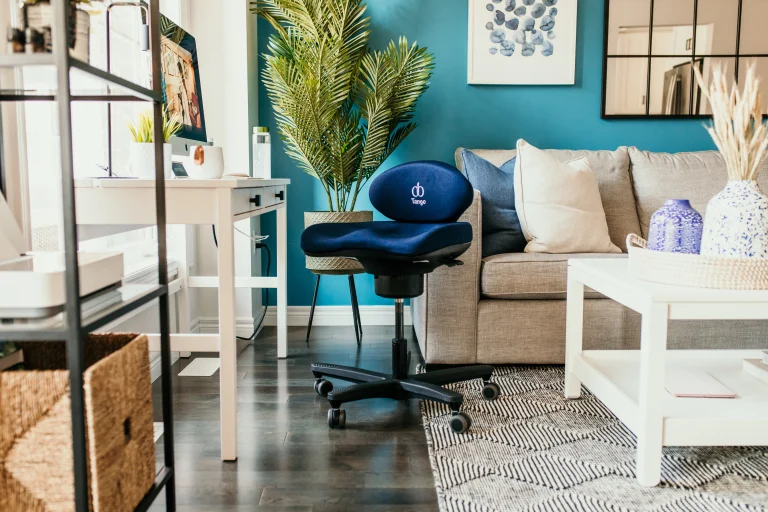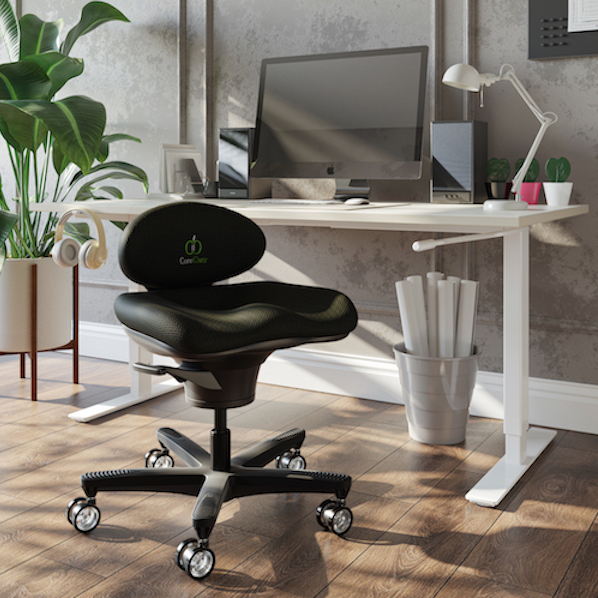
For people living with diabetes, the risks that come with long hours of sitting extend well beyond the usual discomfort of back pain or stiff joints. Diabetes affects the circulatory system in ways that make even ordinary seated positions potentially harmful – slowing blood flow to the legs and feet, increasing pressure on vulnerable tissue, and accelerating the nerve damage that accompanies poor circulation over time. When the chair you sit in for eight or more hours a day is not designed with these realities in mind, it becomes part of the problem rather than neutral furniture.
The conversation around diabetic health and seating has evolved considerably as researchers and clinicians have come to understand just how much time most adults spend sitting – and how consequentially that time is spent. A chair that compresses the backs of the thighs, limits natural postural movement, and encourages prolonged stillness is particularly problematic for anyone managing diabetes. Blood glucose regulation, peripheral circulation, and nerve sensitivity all interact with how the body is positioned and how much movement occurs throughout the day. Choosing the right seating solution is not a minor ergonomic preference; for people with diabetes, it carries genuine health significance.
This article explores what to look for in a chair for diabetics, addresses common questions about specialised seating options like power chair lifts, and explains why active sitting represents a meaningful upgrade over conventional office seating for people focused on protecting their long-term vascular and metabolic health.
Why Circulation Is the Core Concern for Diabetics Who Sit
Diabetes, particularly when blood glucose levels have been elevated over time, damages the small blood vessels that supply the extremities. This condition – peripheral vascular disease – reduces circulation to the legs and feet and increases the risk of pressure injuries, slow-healing wounds, and neuropathy. When someone with diabetes sits in a conventional chair for extended periods, two compounding problems emerge simultaneously.
First, the seat pan of a standard chair places significant direct pressure on the backs of the thighs and the ischial tuberosities – the bony prominences at the base of the pelvis. For people with healthy circulation, this pressure is uncomfortable but manageable. For someone with compromised vascular function, it can meaningfully impede blood flow through the femoral artery region and reduce oxygen delivery to tissues that are already at risk.
Second, prolonged stillness eliminates the muscle activity that normally helps pump blood back from the lower extremities. The calf muscles, in particular, act as a secondary circulatory pump – but only when they are contracting. Sitting completely still, in a chair that encourages passive recline and minimal engagement, effectively disables this mechanism. For people managing diabetes, this is not a trivial concern. Research has linked extended sedentary time with worsening insulin resistance and reduced metabolic flexibility – reinforcing what clinicians have long observed: movement, even small amounts of it, matters metabolically.

What Makes an Office Chair Appropriate for Diabetics
When evaluating office chairs for diabetics, several design criteria rise above aesthetics or generic ergonomics. The most important is pressure distribution. A chair that concentrates load on a narrow region of the thighs and pelvis creates local ischaemia – temporary loss of blood supply to compressed tissue. A well-designed seat surface distributes weight across a broader area, reducing the peak pressure at any single point. Research conducted at Cornell University under the guidance of Dr. Alan Hedge using pressure mapping technology demonstrated that seat pan design has a measurable effect on where and how intensely pressure builds up during seated work – a finding with direct relevance for anyone managing conditions that compromise tissue tolerance.
Beyond pressure relief, forward tilt and pelvic positioning matter significantly. A seat that allows or encourages a slight forward tilt rotates the pelvis into a neutral position, takes load off the lower spine, and opens the hip angle – which reduces compression of the femoral vessels in the upper thigh. Chairs that force a posterior pelvic tilt, by contrast, close the hip angle, flatten the lumbar spine, and increase the very thigh compression that threatens circulation.
Breathable seating material also plays an underappreciated role. Diabetic neuropathy can reduce the sensation that would normally alert someone to discomfort, heat buildup, or early skin irritation. A seat surface that allows air circulation and resists heat accumulation reduces the risk of skin problems developing without the user’s awareness.
Micro-Movement: The Feature Most Chairs Ignore
Perhaps the most important distinction between a conventional office chair and a truly appropriate chair for diabetics is whether the chair encourages or suppresses movement. Active sitting – the principle that a chair should facilitate continuous small postural adjustments rather than lock the body into a fixed position – has significant implications for circulation, muscle tone, and metabolic activity.
When the seat surface allows and even prompts gentle shifts in weight distribution, the muscles of the core, hips, and lower limbs engage and disengage rhythmically throughout the day. This low-level muscle activity keeps blood moving, maintains joint mobility, and prevents the extended compression that accumulates in conventional seating. For people with diabetes, this continuous micro-movement is not merely a comfort feature – it is a functional health tool that works with the body’s natural circulatory mechanisms rather than against them.
A Note on Power Chair Lifts for Diabetics
Searches for power chair lifts for diabetics typically refer to lift chairs – motorised recliners that tilt forward to assist users in moving from seated to standing. These chairs serve a genuinely valuable purpose for people with mobility limitations, and for individuals whose diabetes-related neuropathy or musculoskeletal complications make standing from a low seated position difficult, a quality lift chair can provide meaningful independence and reduce fall risk.
That said, lift chairs are designed primarily for home rest and mobility assistance, not for active work or extended productive sitting. For the hours spent at a desk, in front of a computer, or engaged in office work, the ergonomic and circulatory demands are different – and a lift chair’s reclining orientation does not address the posture, pressure distribution, or micro-movement needs that matter most during those hours. If both types of support are relevant to your situation, the two categories of seating serve complementary rather than competing purposes. Coordinating your seating choices with your healthcare team will help ensure both needs are well addressed.
How CoreChair Supports the Specific Needs of Diabetic Sitters
CoreChair was designed around the science of active sitting – a concept that directly addresses several of the most pressing concerns for people managing diabetes in an office or work-from-home environment.
Reduced Thigh Pressure and Improved Circulation
CoreChair’s unique seat design begins with a narrow, contoured seat pan that is intentionally smaller than those found in conventional ergonomic chairs. Rather than spreading contact across the full length of the thighs, the CoreChair directs weight toward the ischial bones while deliberately reducing thigh pressure – the precise pressure point that restricts circulation in the upper legs. Pressure mapping research conducted at Cornell University confirmed this design principle: reducing thigh contact pressure is a meaningful and measurable contributor to lower-extremity blood flow.
Pelvic Support and Forward Orientation
The patented pelvic support system cradles the pelvis and encourages a natural anterior tilt, positioning the lumbar spine correctly without the user needing to think about posture. This forward orientation opens the hip angle, reduces femoral compression, and activates the postural muscles of the lower back and core. Unlike lumbar support pillows or adjustable backrests that passively prop the user, CoreChair’s design prompts the body’s own musculature to maintain alignment – which means the muscles are doing the work they were designed to do, continuously, throughout the day.
Active Movement Platform
The movement platform at the base of the seat – providing up to 14 degrees of multidirectional tilt – allows the user to make constant, subtle weight shifts without leaving the chair. This is the mechanism through which CoreChair delivers active sitting. The core and hip muscles engage and disengage as balance is maintained, the calf muscles receive gentle activation through postural adjustment, and circulation benefits from the low-level muscular contraction that keeps blood moving through the lower extremities.
The Memorial University study demonstrated that CoreChair reduced perceived back pain and improved lower limb blood flow – a finding with direct significance for diabetic users whose circulation is already compromised. University of Guelph research led by Dr. Leah Bent measured improved blood flow and skin sensitivity compared to conventional chair users, providing physiological evidence of the circulatory benefit.
Triglav et al. (2019) confirmed that multi-axial active chairs improve circulation compared to standard office chairs – the precise mechanism that makes CoreChair particularly relevant for anyone with vascular concerns. Léger et al. (2022) showed that active sitting improves circulation and muscle engagement compared to both standard chairs and standing desks.
Metabolic Benefits Through NEAT
The Mayo Clinic NEAT™ certification validated that CoreChair produces measurable increases in Non-Exercise Activity Thermogenesis – the low-level energy expenditure associated with continuous micro-movement. Research with Mayo Clinic and Arizona State University quantified this at a 20% increase in metabolic demand compared to a standard office chair. For diabetic users managing blood glucose and metabolic health, this increase in daily energy expenditure is a meaningful secondary benefit of active sitting. Davidson et al. (2025) confirmed that active sitting produces significant increases in metabolism and oxygen consumption during standard office tasks.
Seat Material and Fit Considerations
For diabetic users, the perforated seat cushion material used in CoreChair also contributes to reduced moisture buildup and improved air circulation at the seat surface – reducing the thermal conditions that can contribute to skin irritation, especially relevant for individuals with reduced sensation in the lower extremities due to neuropathy.
CoreChair is available in two models. The CoreChair Classic fits users from 5’0″ to 6’5″ and comes with a 60-day satisfaction guarantee and 8-year warranty. The CoreChair Elite adds the patent-pending Clever Spine dynamic thoracic support for users who also experience upper back or neck tension. Both models offer adjustable seat height and movement resistance. Proper fit is particularly important for diabetic users, since a chair that is too high places undue pressure on the back of the thighs, and one that is too low restricts hip movement.

Practical Guidance for Protecting Circulation Throughout the Workday
Even the best chair for diabetics delivers its benefits most fully when combined with intentional movement habits. No seated solution, however well designed, fully replaces the value of regular breaks from sitting. Standing for a few minutes every hour, walking briefly during phone calls, and using a sit-stand desk if one is available all contribute to the kind of varied positioning that supports vascular health.
1. Set Chair Height Correctly
Feet should rest flat on the floor or on a footrest – not dangling, not crossed, and not tucked under the chair. Dangling feet create pressure behind the knees that can restrict venous return from the lower legs, a particular concern for those with compromised peripheral circulation. Hips should be at or slightly above knee level to maintain a neutral pelvic position.
2. Take Movement Breaks Every 45–60 Minutes
Stand up, walk briefly, or perform a few ankle pumps and calf raises every 45 minutes. This restores circulation to sacral and lower limb tissue and interrupts the pressure accumulation cycle. CoreChair reduces the urgency of these breaks through continuous micro-movement – but they remain beneficial as part of a complete approach to vascular health.
3. Monitor Skin Condition at Contact Points
Diabetic neuropathy can reduce sensation in areas that are under sustained pressure. Periodically check the backs of the thighs and the areas around the sitting bones for signs of pressure marks, redness, or skin changes. If these appear, they indicate the chair is concentrating too much pressure in one area. The broad connection between posture, circulation, and long-term wellbeing is especially relevant for diabetic users, where vascular and tissue health intersect directly with everyday sitting habits.
4. Stay Hydrated
Hydration supports blood viscosity and circulatory function. Managing fluid intake carefully in consultation with your healthcare team is always advisable for diabetic individuals, but maintaining adequate hydration supports the vascular function that good seating design works to protect.
Seating as a Daily Health Decision
For people living with diabetes, a chair is not just a piece of furniture. It is where a significant portion of each waking day is spent, and its design directly influences circulation, posture, muscle engagement, and metabolic activity during those hours. A comfortable office chair for diabetics should be understood not as a luxury but as a functional health tool – one that either supports the body’s circulatory needs or undermines them.
The research behind CoreChair – from Cornell University pressure mapping to Memorial University and University of Guelph clinical findings – reflects a design philosophy grounded in what sitting actually does to the body, and how that can be changed. Explore CoreChair’s full active sitting benefits, the product collection, and read what users report about comfort, circulation, and day-long wellbeing across real workdays.
Choosing the right chair is one of the most consistent daily decisions you can make for your circulatory health – and for people with diabetes, consistency is everything.
Research and References
- Cornell University Pressure Mapping Study – Demonstrated superior pressure distribution on CoreChair vs conventional ergonomic chairs; reduced thigh and sacral loading.
- University of Waterloo Posture & Muscle Recruitment Study – CoreChair increased trunk stability and core muscle activation.
- Mayo Clinic NEAT™ Certification – Measurable increases in daily energy output under NEAT™ guidelines.
- Mayo Clinic & Arizona State University Energy Expenditure Study – CoreChair showed higher energy expenditure compared to standard office chair.
- Memorial University Active Sitting Study – Reduced perceived back pain and improved lower limb blood flow.
- University of Guelph Physiological & Cognitive Measures Study – Improved blood flow and skin sensitivity on CoreChair.
- Active Sitting Increases Energy Expenditure (Davidson et al., 2025) – Significant increases in metabolism and oxygen consumption during active sitting.
- Biomechanical Benefits of Active Sitting (Léger et al., 2023) – Active chairs increase trunk movement, muscle activity, and postural variation.
- Active Sitting vs Traditional Sitting and Standing (Léger et al., 2022) – Active sitting improves circulation, muscle engagement, and energy expenditure.
- Physiological and Cognitive Outcomes with Multi-Axial Chair (Triglav et al., 2019) – Active multi-axial chairs improve circulation and reduce cognitive errors.
- Effects on Reading and Typing Productivity (Doroff et al., 2019) – Active sitting supports cognitive performance and task productivity.