Prolonged sitting with poor posture can take a serious toll on your health, particularly when it comes to hip alignment. Hip misalignment is an increasingly common issue among office workers and anyone who spends extended periods at a desk or in front of screens. Understanding the causes, recognizing the symptoms, and discovering effective solutions can help you prevent pain and protect your long-term health.
Understanding Hip Misalignment
Hip misalignment occurs when the bones and joints of the hips shift out of their proper position, placing abnormal stress on surrounding muscles, ligaments, and tendons. Several factors contribute to this condition, with poor posture and prolonged sitting being primary culprits. Muscle imbalances, previous injuries, and habitual behaviors like frequently crossing your legs or sitting with uneven weight distribution can gradually pull your hips out of alignment.
Recognizing the Warning Signs
Being aware of hip misalignment symptoms can help you address the problem before it worsens. Watch for these common indicators:
- Pain or discomfort in the hip joints
- Uneven or asymmetrical posture when standing
- Difficulty or stiffness when standing after sitting for extended periods
- Tightness or rigidity in the legs, hips, or lower back
- Altered gait or walking pattern
- Knee pain that stems from compensatory movement patterns
If you notice any of these symptoms, addressing the underlying misalignment promptly can prevent further complications and chronic pain.
The Sitting Connection: Why Your Chair Matters
Extended sitting places considerable strain on your hip joints, especially when using non-ergonomic chairs. Over time, this creates a pattern of tight hip flexors and weakened glute muscles—a recipe for hip misalignment. Poor sitting habits compound the problem: slouching, leaning to one side, sitting with crossed legs, or placing weight predominantly on one hip all contribute to gradual misalignment of both hips and spine.
The Domino Effect: How Hip Misalignment Affects Your Entire Body
Impact on Your Knees
When your hips are misaligned, the effects ripple down through your lower body. Hip misalignment alters your posture and gait, changing how your legs move and placing additional strain on your knees. This compensatory stress frequently manifests as knee pain or discomfort, demonstrating how the hip joint’s position affects the entire kinetic chain.
Connection to Back Pain
Hip and back pain are closely interconnected. When your hips fall out of alignment with your spine, your body compensates by adopting poor posture. Your spine may curve or twist unnaturally to accommodate the misalignment, forcing your lower back muscles to work harder to support your body. This compensation pattern is a common source of chronic lower back pain.
The CoreChair Solution: Active Sitting for Hip Health
CoreChair represents a fundamentally different approach to office seating. Rather than forcing your body into static positions, CoreChair is built around the concept of active sitting—a research-backed approach that promotes natural movement while you work.

How CoreChair Works
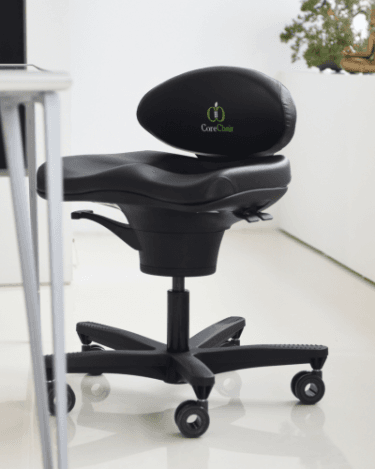
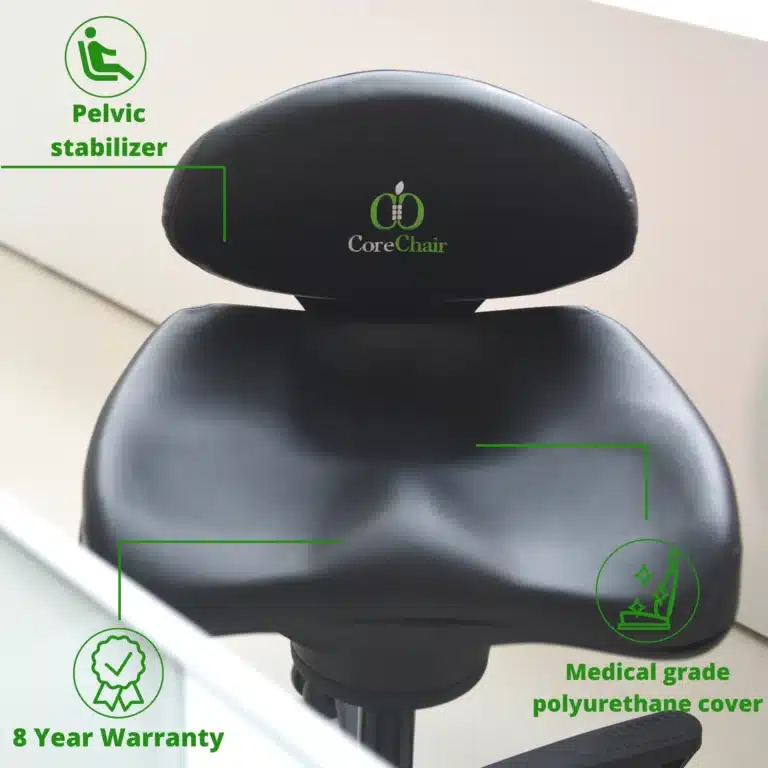
The CoreChair’s seat tilts up to 14 degrees in all directions, allowing your hips to move naturally throughout the day. Its contoured seat design works with the low back support to cradle the pelvis and align the spine, helping maintain proper positioning without rigid constraints.
The chair permits a wide array of movements including tilting both forward and backward along with rotational adaptations, prompting users to change their postures continually while engaging core muscles for active movement. This dynamic flexibility is key to preventing the static muscle patterns that lead to hip misalignment.
Pelvic Support and Neutral Positioning
Unlike traditional chairs that allow—or even encourage—slouching and poor pelvic alignment, CoreChair helps maintain the pelvis in a neutral position. By supporting proper pelvic positioning and encouraging micro-movements throughout your sitting time, the chair actively works to prevent hip misalignment before it develops.
Active Muscle Engagement
CoreChair activates your muscles through movement, corrects bad posture, and alleviates back pain. While sitting in a traditional office chair typically allows muscles to become weak and dormant, CoreChair’s design requires subtle, constant engagement of your core, lower back, and hip muscles. These small movements strengthen the muscles responsible for maintaining proper hip and spinal alignment, creating a more stable foundation for your body.
Improved Circulation and Comfort
The continuous micro-movements encouraged by CoreChair don’t just build strength—they also enhance blood circulation throughout your lower body. Better circulation means less stiffness, reduced pressure on hip joints, and improved overall comfort during long work sessions. This addresses one of the fundamental problems with prolonged sitting: blood pooling and tissue compression that contributes to pain and misalignment.
Pain Relief Through Better Alignment
For those already experiencing hip misalignment, CoreChair offers a path toward relief. By promoting proper posture and reducing stress on hip joints, the chair helps alleviate existing pain while you work to strengthen supporting muscles. The active engagement of core and lower body muscles helps gradually restore proper hip alignment, which in turn reduces associated knee and lower back pain.
The chair’s design makes it easier to maintain good posture without conscious effort, allowing your body to naturally settle into healthier positioning patterns over time.
Long-Term Benefits for Hip Health
Regular use of CoreChair supports lasting improvements in hip health by:
- Preventing static muscle patterns that lead to imbalances and misalignment
- Strengthening core stability that protects hip positioning
- Maintaining proper pelvic alignment throughout the workday
- Reducing cumulative stress on hip joints from prolonged sitting
- Improving overall posture habits that extend beyond work hours
For desk workers, computer users, and anyone who sits for extended periods, these benefits are particularly valuable. By addressing the root causes of sitting-related hip problems, CoreChair helps prevent misalignment from developing or worsening over time.

Taking Action for Healthier Hips
Hip misalignment from sitting is not an inevitable consequence of desk work. With awareness of the causes and symptoms, combined with ergonomic solutions like CoreChair, you can protect your hip health and prevent the chronic pain that affects so many sedentary workers.
The key is addressing the problem proactively—whether that means investing in better seating, taking regular movement breaks, or seeking professional guidance when pain persists. Your hips support your entire body; giving them the support they need pays dividends in comfort, mobility, and long-term health.