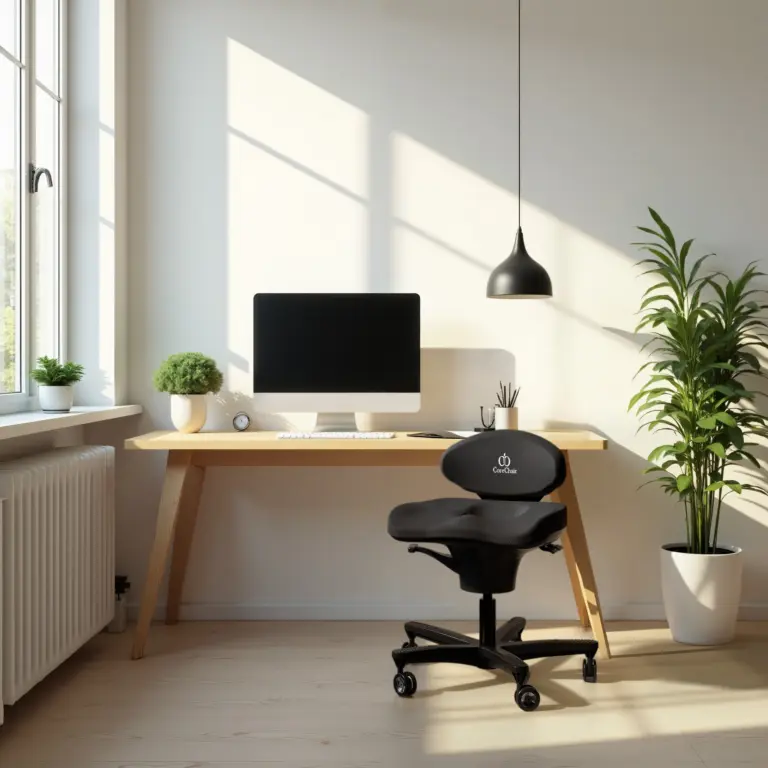
Psychology and ergonomics are increasingly focusing on the relationship between posture and mental well-being. Studies show a significant impact of posture not only on physical health. It also greatly influences mood and emotions. Unfavorable postures can cause increased feelings of depression, anxiety, and low self-esteem. Fortunately, innovative ergonomic solutions of the CoreChair can improve posture and potentially boost mental health.
Understanding Depression Body Posture Link
Our posture significantly influences our emotions and how others see us. Slouching, with rounded shoulders and a downward-facing head, can signal to the brain and reinforce negative feelings and stress. However, standing or sitting upright with an open posture can advance feelings of confidence, energy, and positivity. This is why poor posture can foster depressive manifestations.
Increased Feelings of Fatigue
Bad posture puts stress on the muscles and joints. This action causes physical discomfort and fatigue. This results in feeling more tired and less motivated. Feelings of sadness or depression appear.
Reduced Breathing Capacity
Slouching causes our chest cavity to collapse. This effect limits the space available for the lungs to fully expand. This can deprive the brain and body of oxygen. So, this leads to reduced cognitive functionality. Feelings of fatigue, anxiety, and posture depression effect are caused in such cases.
Negative Self-Perception
A slumped posture is linked to negative body language, potentially reinforcing harmful thoughts and emotions by signaling a state of defeat or sadness to the brain. This can subsequently diminish self-esteem and worsen feelings of depression.
Impact on Hormone Amounts
Studies indicate the influence of posture on the levels of serotonin and dopamine. These hormones actively participate in mood regulation. A slouched position might reduce the production of these chemicals. Mood fluctuations and an increased risk of depressive symptoms can occur.
Can Depression Cause Bad Posture? Exploring the Issue

Certainly! Depression can indeed lead to poor posture. There is a strong connection between mental health and physical position, where depression and body posture often physically manifest as a slumped or improper stance. This negative change in posture might further worsen the emotional and psychological symptoms of depression.
Depression often causes feelings of low self-esteem and diminished confidence. This can significantly affect one’s body language and posture. People experiencing sadness or anxiety can unknowingly assume a slouched or closed-off stance with hunched shoulders, a bowed head, and a sunken chest. This physical demeanor is often referred to as a “defeated” posture because it mirrors the individual’s emotional state.
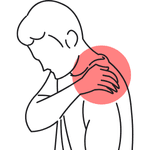
Depression can manifest in muscle tension, aches, and general discomfort in different areas. Stress situations and anxiety often result in muscular tension. This action can cause a stiff or hunched posture.
Motivation for physical activity and movement are reduced by depression and body posture. So, people can spend prolonged periods in sedentary positions. They become mindful of their posture. Muscles can weaken. Proper alignment is neglected Over time, this can lead to habitually poor posture.
Negative thoughts can preoccupy people with feelings of depression. This can cause them to become less aware of their physical body and posture. Focusing on negative emotions leads to less attention paid to maintaining an upright, healthy posture. This unconscious neglect can result in a slouched or tense posture.
Can Bad Posture Cause Depression? – Examining Influence
Indeed, bad posture can promote causing depression. Poor posture is typically considered a physical problem. However, it also has substantial psychological impacts. It can affect mood, emotions, and general mental health.
People with poor posture can subconsciously exhibit body language. This effect makes them seem closed off or disinterested in social interactions. So, they can experience fewer positive social connections and heightened feelings of loneliness and isolation. These sensations present common symptoms of depression. Moreover, poor posture and depression can limit eye contact and hinder communication. This increases the chances of retreating from social scenarios.
The Vicious Cycle: Depression and Posture
Depression and body posture influence each other in both directions. Depression can result in poor posture. And bad posture can exacerbate symptoms of depression. Slouching or hunching reduces the depth of breathing and restricts oxygen intake. Improper position heightens feelings of sadness and hopelessness. Moreover, uncomfortable physical sensations from poor posture may add to the emotional burden associated with depression.
Enhancing posture, whether through mindful practices or the use of ergonomic chairs, can disrupt this cycle by encouraging better physical alignment. This improvement can have a positive effect on mood and energy levels.
Improvement of Mental Well-being with CoreChair
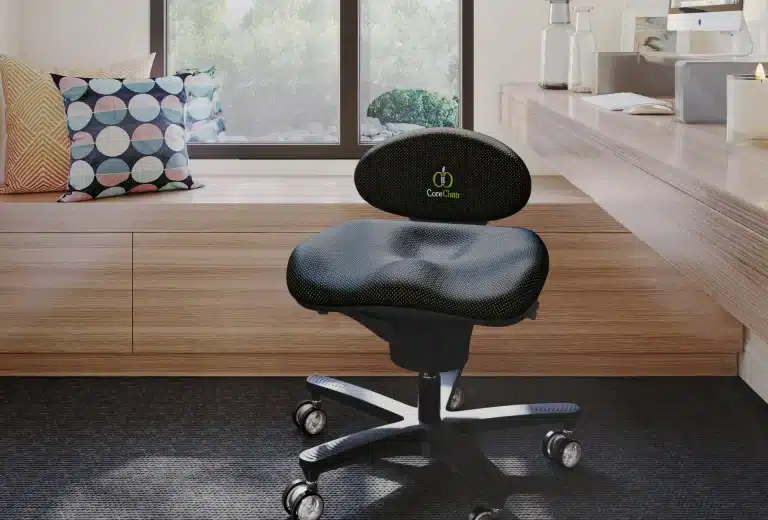
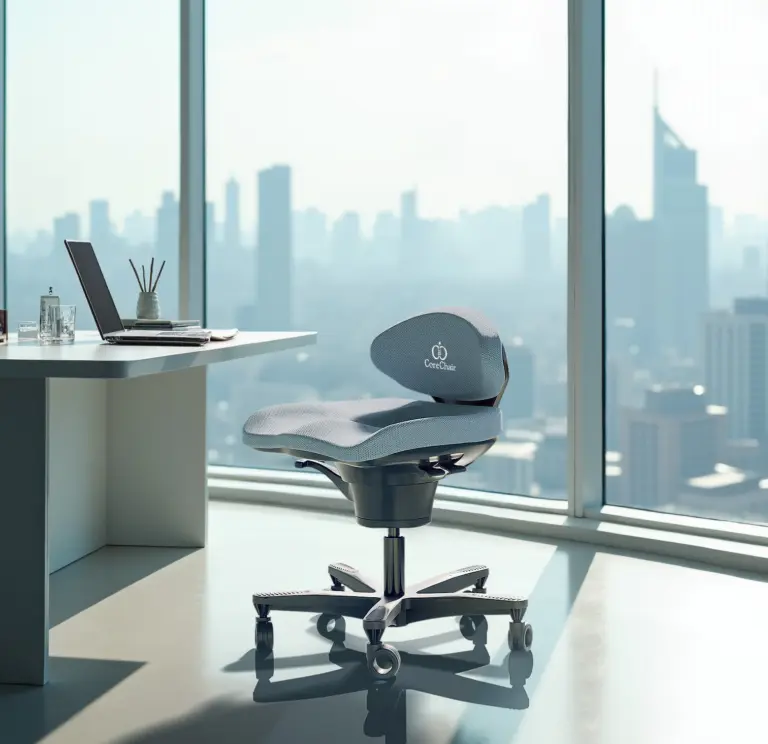
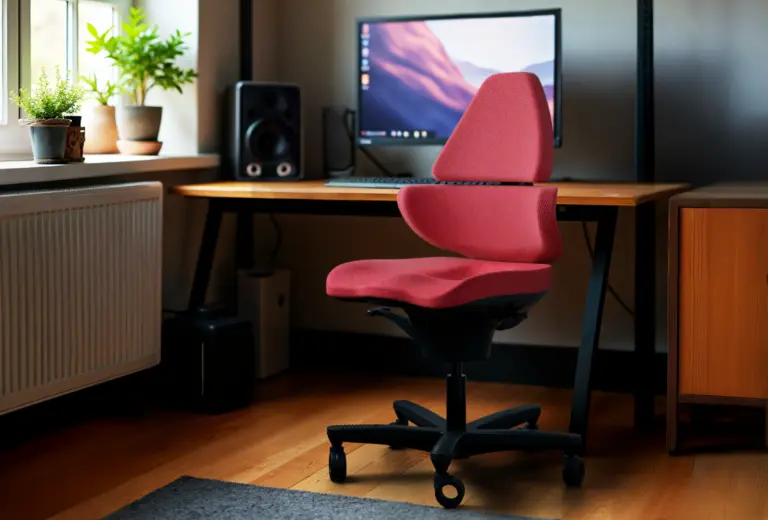
Ergonomic principles to encourage active sitting and support correct posture are realized in the design of CoreChair. They can significantly enhance physical comfort and mental well-being.
Encouragement of Active Sitting
In contrast to conventional office chairs that encourage static sitting, the CoreChair supports gentle, active movements throughout the day. Its dynamic seat pan adapts to your body’s motions, prompting small adjustments that engage core muscles and enhance circulation. These subtle shifts help sustain energy levels, decrease fatigue, and increase mental alertness—essential elements in reducing depressive symptoms.
Promotion of Better Breathing
The unique design of the CoreChair encourages an upright posture. It promotes natural expanding of the chest and facilitates better breathing. Enhanced oxygen flow to the brain improves cognitive function. This action leads to the decrease of fatigue risk. Deep diaphragmatic breathing lowers stress and anxiety levels. It powerfully aid for advancing mental health.
Boosts Mood and Confidence Through Better Posture
Keeping an upright posture enhances mood and boost self-confidence. Improvement of general emotional well-being is achieved. Supporting the spine’s natural curvature and promoting proper alignment with CoreChair aids users in encouraging a more upright and empowered sitting position. This open and positive body stance can elevate confidence levels. Stress is lessened. So, the CoreChair helps to counter feelings of depression.
Reduction of Physical Discomfort
Chronic pain and physical discomfort often lead to mental health problems. The design of the CoreChair presents an ergonomic comfort in mind. It minimizes strain on the different parts of the body. Reducing physical discomfort with this chair enables users to concentrate more effectively and feel calmer. A body free from pain promotes a clearer mind. This effect increases emotional resilience.
Support of Mental Clarity
Active sitting with the CoreChair promotes better circulation. This feature enhances the delivery of oxygen and useful substances to the brain. This can sharpen mental clarity and focus. Advanced cognitive functionality not only increases productivity. It also fosters a general sense of well-being.
Other Health Benefits of Using the CoreChair

Enhancement of Mind-Body Awareness
The CoreChair promotes active movement and improved posture, enhancing your awareness of bodily sensations throughout the day. This increased mind-body connection can help individuals identify when they need a break, adjust their posture, or notice stress and tension accumulation.
Relief of Unpleasant Sensations
Sitting in a comfortable, supportive chair minimizes the physical strain on the body. It can also alleviate mental stress. Relieving pressure points and encouraging relaxation with the CoreChair creates an atmosphere that supports mental tranquility.
Better Emotional Regulation
Maintaining good posture with the assistance of the CoreChair improves emotional regulation. Sitting in an upright, open position enables your body to send signals to your brain for managing emotions and fostering a more optimistic mindset.
Investment in Mental and Physical Well-being with the CoreChair
Posture and depression significantly impact our mental health. Energy levels, breathing patterns, mood stability, and emotional resilience are affected. To meet the physical and psychological demands of today’s lifestyle the CoreChair offers an innovative approach. This chair encourages active sitting and maintains proper posture. For people dealing with depression or seeking to enhance their mental well-being, investment in a CoreChair can become a first step to achieving a healthier and more optimistic future.
By improving posture, increasing comfort, and encouraging active movement the CoreChair offers a holistic solution for advancing mental and emotional well-being. It has become an instrument for better physical and mental health.

Research and References
- University of Waterloo Posture & Muscle Recruitment Study — CoreChair increased trunk stability and core muscle activation compared to ergonomic chairs and stability balls.
- University of Guelph Physiological & Cognitive Measures Study — CoreChair improved blood flow, cognitive performance, and movement during sitting.
- Memorial University Active Sitting Study — CoreChair promoted healthier sitting, improved blood flow, and reduced perceived back pain.
- Mayo Clinic & Arizona State University Energy Expenditure Study — CoreChair showed higher energy expenditure compared to standard office chairs.
- Mayo Clinic NEAT™ Certification — CoreChair demonstrated measurable increases in daily energy output under NEAT™ guidelines.
- Active Sitting vs Traditional Sitting and Standing (Léger et al., 2022) — Active sitting improves circulation, muscle engagement, and energy expenditure.
- Effects on Reading and Typing Productivity (Doroff et al., 2019) — Active sitting supports cognitive performance and task productivity.